Udemy Reviews, Pricing & Alternatives (For Physics) in 2026
Big course library, but not 1:1 Physics tutoring
By Ashish PM
| Published on April 15, 2026

Reviewed By Pankaj Kumar
Udemy is a large online course marketplace where instructors publish video courses across many topics, including Physics. You can browse, buy, and learn at your own pace on Udemy.
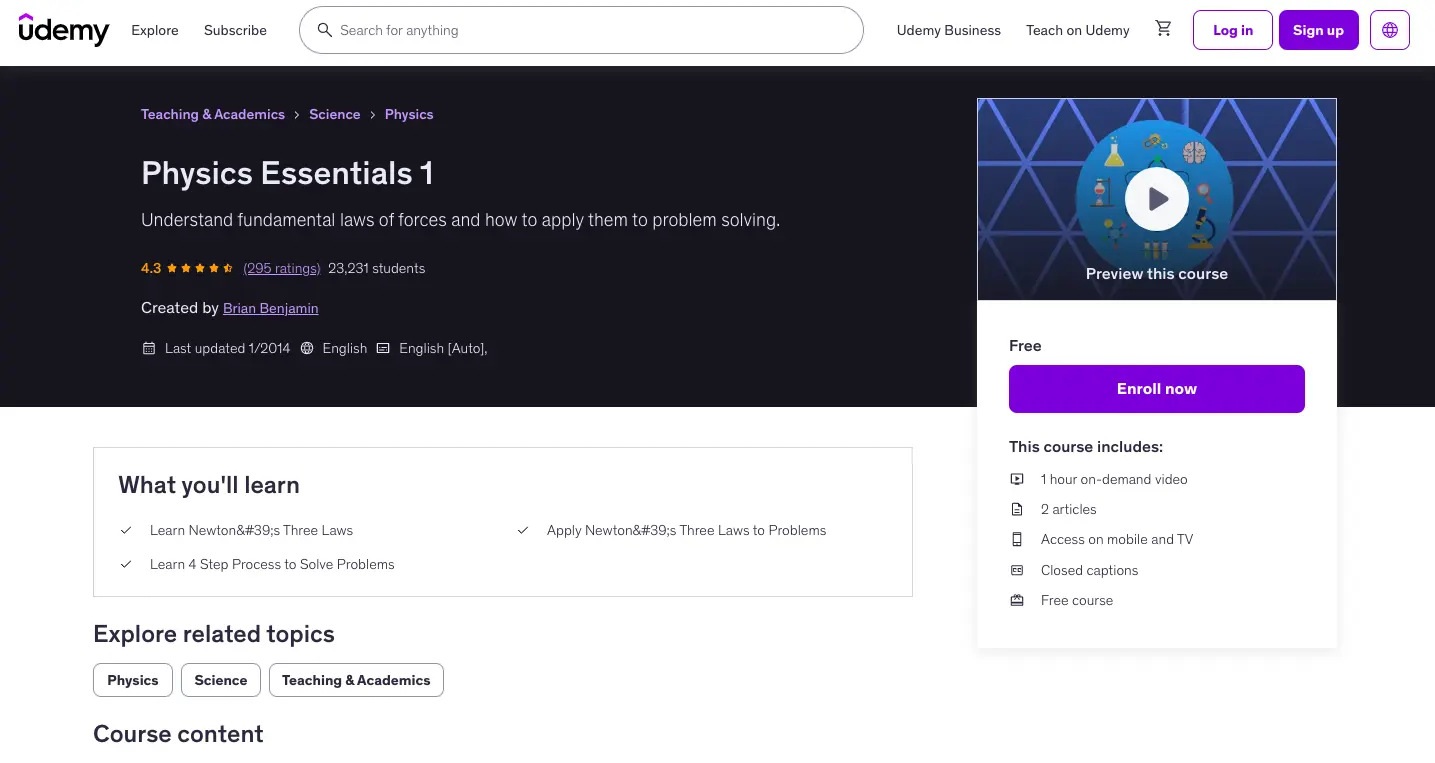
Explore the Physics Essentials 1 course on Udemy to learn Newton’s laws and fundamental problem-solving techniques in physics.
This article helps students and parents compare Udemy with tutoring-style options for Physics, calculus, and engineering mechanics, so you can pick the right learning format for your goal.
Reviews & User Feedback for Udemy in 2026
Across public review sites, people most often talk about course value, refunds, app performance, and support response time. Ratings also differ by audience: consumer marketplace learners vs business buyers and employees.
Physics learning note: Udemy is not a tutoring service. It is course-based. For Physics, outcomes depend on picking the right instructor, level, and practice style from Udemy’s Physics course listings.
Trustpilot (consumer “Udemy reviews”)
Trustpilot shows a TrustScore of 1.8/5 from 1,828 reviews, labeled “Poor,” and the page notes Udemy has not replied to negative reviews. See the live snapshot on Trustpilot’s Udemy profile.
Common themes include refund friction, account/access problems, and uneven course freshness. Some reviewers still praise specific instructors, but the overall tone is negative.
Physics learning note: Trustpilot feedback is not Physics-only. Still, comments about “outdated courses” and “inconsistent quality” matter for STEM learners who need correct, current explanations and worked problems.
Sitejabber
Sitejabber lists Udemy at about 2.9/5 from 55 reviews, with mixed comments on value, discounts, and support. See Udemy on Sitejabber.
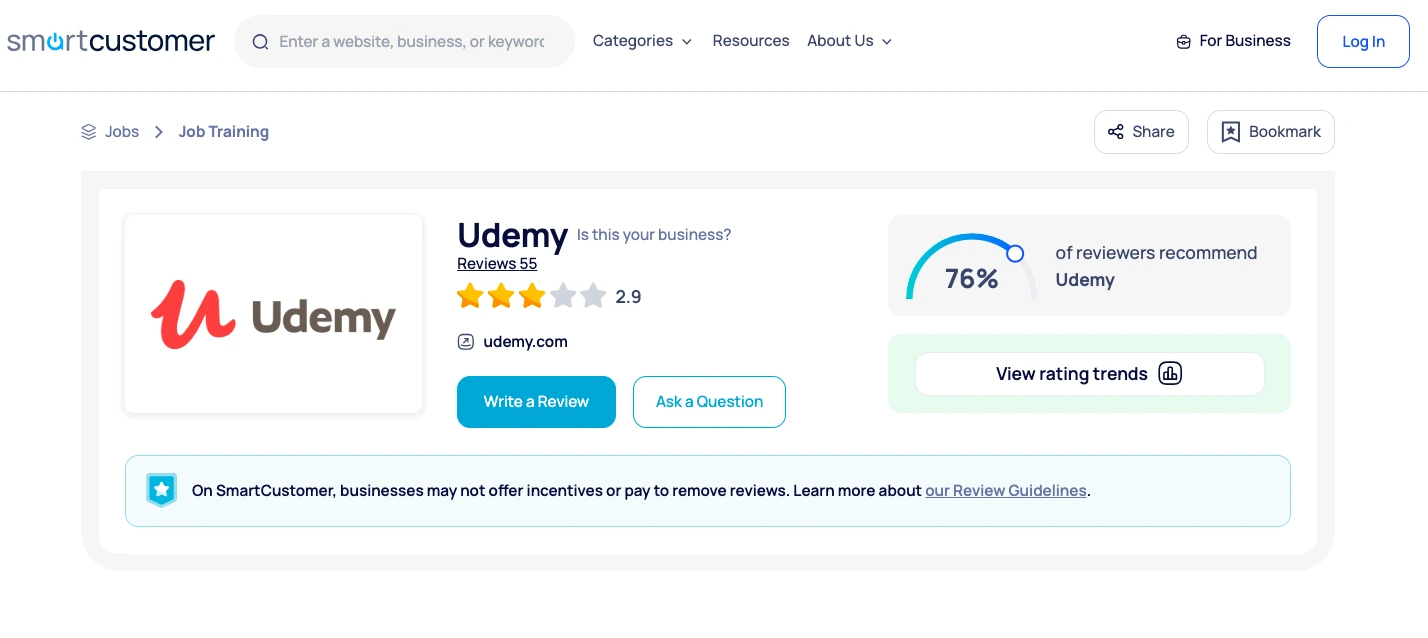
Udemy receives a 2.9 rating with 76% of reviewers recommending the platform on SmartCustomer.
Reliability note: the U.S. FTC has alleged deceptive practices by Sitejabber related to ratings and review counts in the past, so treat any single score as just one input. See reporting on the FTC action via PYMNTS coverage of the FTC’s Sitejabber case.
Physics learning note: For Physics, ignore “platform score” and focus on course-level signals: preview clips, syllabus depth, and problem practice.
G2 (mostly business-facing feedback)
G2 rates “Udemy, Inc.” at 4.5/5 from 711 reviews. The listings heavily reflect Udemy Business use cases, such as employee upskilling, admin features, and catalogs. See Udemy, Inc. on G2.
Pros often include large catalogs and easy navigation. Cons vary by organization and content fit.
Physics learning note: Business reviews do not validate college Physics mastery. They do suggest the platform can work well for structured, self-paced learning when content quality is high.
Apple App Store (iOS app)
On iOS, Udemy’s app shows 4.7 with about 77K ratings on the U.S. App Store listing. See Udemy on the Apple App Store.
User comments often praise convenience and offline learning, but some reviews describe bugs and playback issues (which matters if you study mainly on a phone).
Physics learning note: App stability matters for Physics because you may pause often to solve problems. If your workflow is mobile-first, app reliability can affect study consistency.
Google Play (Android app)
Google Play shows a low headline rating (around 2.8 stars) and also shows a slightly different rating (around 2.9) inside the ratings section, with review counts displayed in “L” (lakh) format and “1Cr+” downloads. See the live listing at Udemy – Online Courses on Google Play.
Many reviews mention playback friction, reminders, and device-specific issues.
Physics learning note: If you rely on Android for long Physics sessions, test the app early before buying many courses.
Glassdoor (employee feedback)
Glassdoor shows Udemy with an employee rating of about 3.7/5 based on 689 reviews, reflecting internal culture and leadership sentiment rather than student outcomes. See Udemy reviews on Glassdoor.
This is not a learning-quality score, but it can hint at how stable teams and support operations may feel over time.
Physics learning note: Employee reviews do not measure Physics instruction quality. Use them only as a background trust signal.
Is Udemy legit?
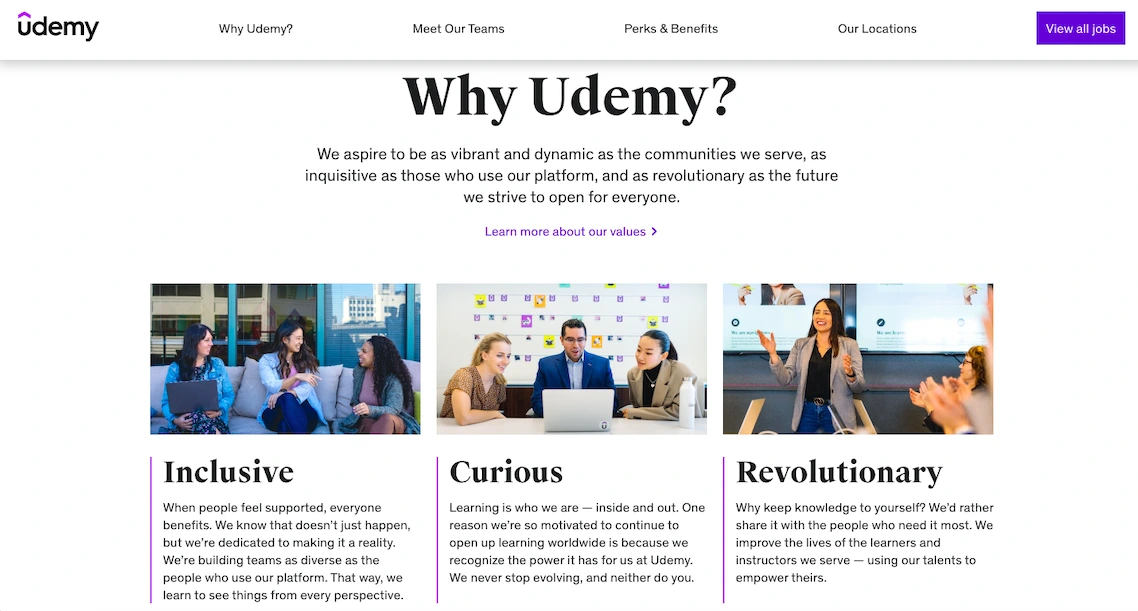
Udemy highlights its core values—Inclusive, Curious, and Revolutionary—on its careers page.
Evidence-based checks point to “yes” in the basic business sense. Udemy trades under the ticker UDMY on Nasdaq, and it files public reports with the SEC, including annual reports (10-K). See an example filing index on SEC EDGAR (Udemy filing detail).
That said, “legit” does not mean “best fit for your Physics goal.” Udemy is a marketplace. Course quality can vary a lot across instructors and topics.
Is Udemy legit?
Yes—Udemy is a real, regulated public company, but Udemy reviews show uneven support and course consistency. Treat it as a large marketplace and validate each Physics course before committing.
Source: Udemy’s Refund Policy
Udemy Pricing, Refunds & Policies in 2026
Udemy pricing usually follows two paths: (1) buy a course once (lifetime access to that course) or (2) use subscriptions for select catalogs. Udemy also sells business plans; the Udemy Business Team Plan lists $30 per user/month billed annually for 2–50 people. See Udemy Business plans.
User feedback on pricing: Many complaints focus less on “price” and more on refunds, renewals, and whether the value matches the course freshness. Examples of pricing-related frustration and refund expectations appear in review text on Trustpilot’s Udemy page (page 3).
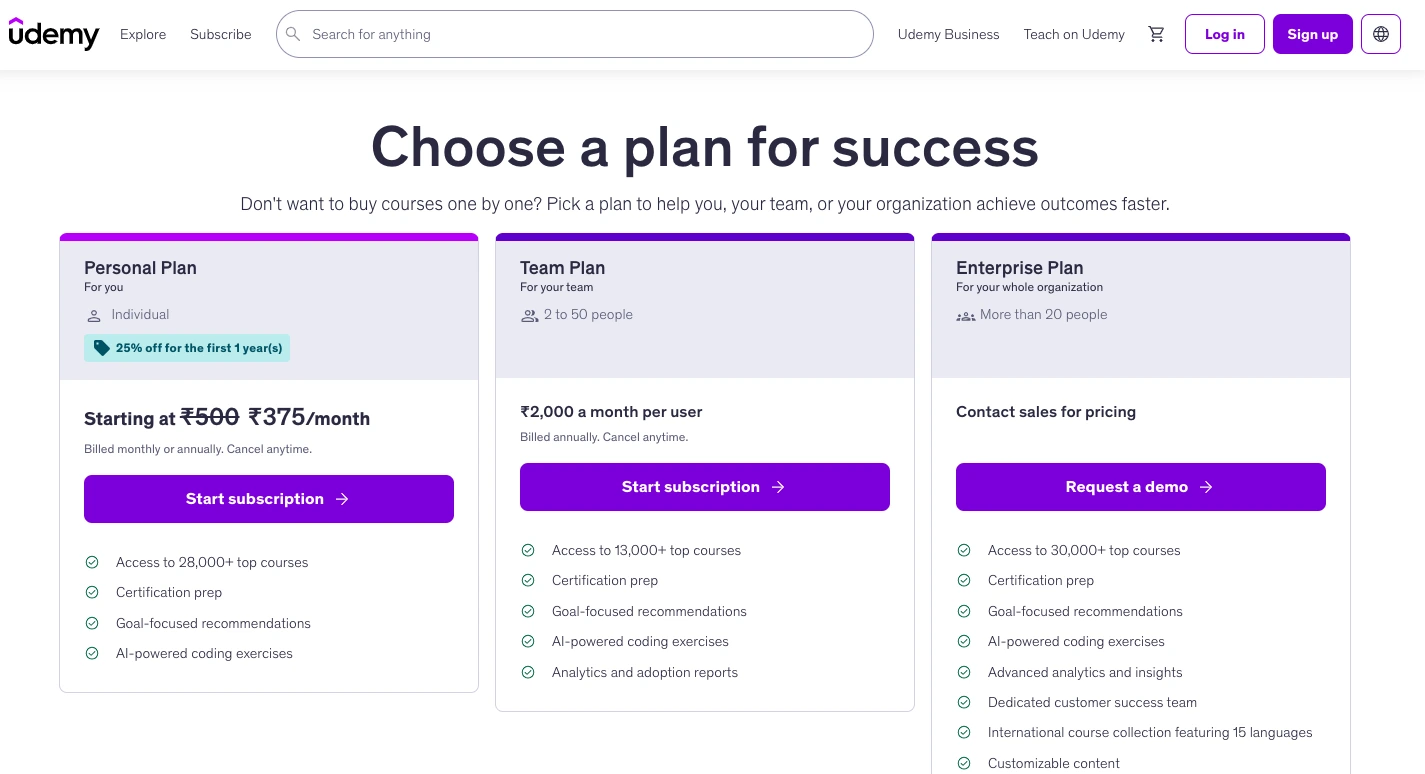
Compare Udemy subscription plans for individuals, teams, and enterprises with access to thousands of online courses.
Trials (50–70 words): Udemy shows “Try it free” for some plans on its compare page, but the exact free-trial length can be promotion-based and is shown inside your account. See Udemy’s compare plans page and the account steps on How to Manage Your Udemy Subscriptions.
Refunds (50–70 words): For most individual course purchases, Udemy describes a 30-day refund window and explains how to request it from purchase history. See How to Refund a Course. For subscription plans, refund availability can differ by law and plan type; Udemy documents exceptions in Subscription Plan Refund Exceptions.
Hidden fees (50–70 words): Udemy may add transaction taxes (VAT/GST/sales tax) depending on your location. Udemy says applicable taxes appear before you are charged and may be included in the displayed price or shown at checkout, depending on the country. See Taxes: Student FAQ. Udemy also notes that mobile and web prices can differ during sales due to coupon entry limits. See Udemy Course Pricing: Learner FAQ.
Source: Udemy’s Quality Review Process
Alternatives to Udemy
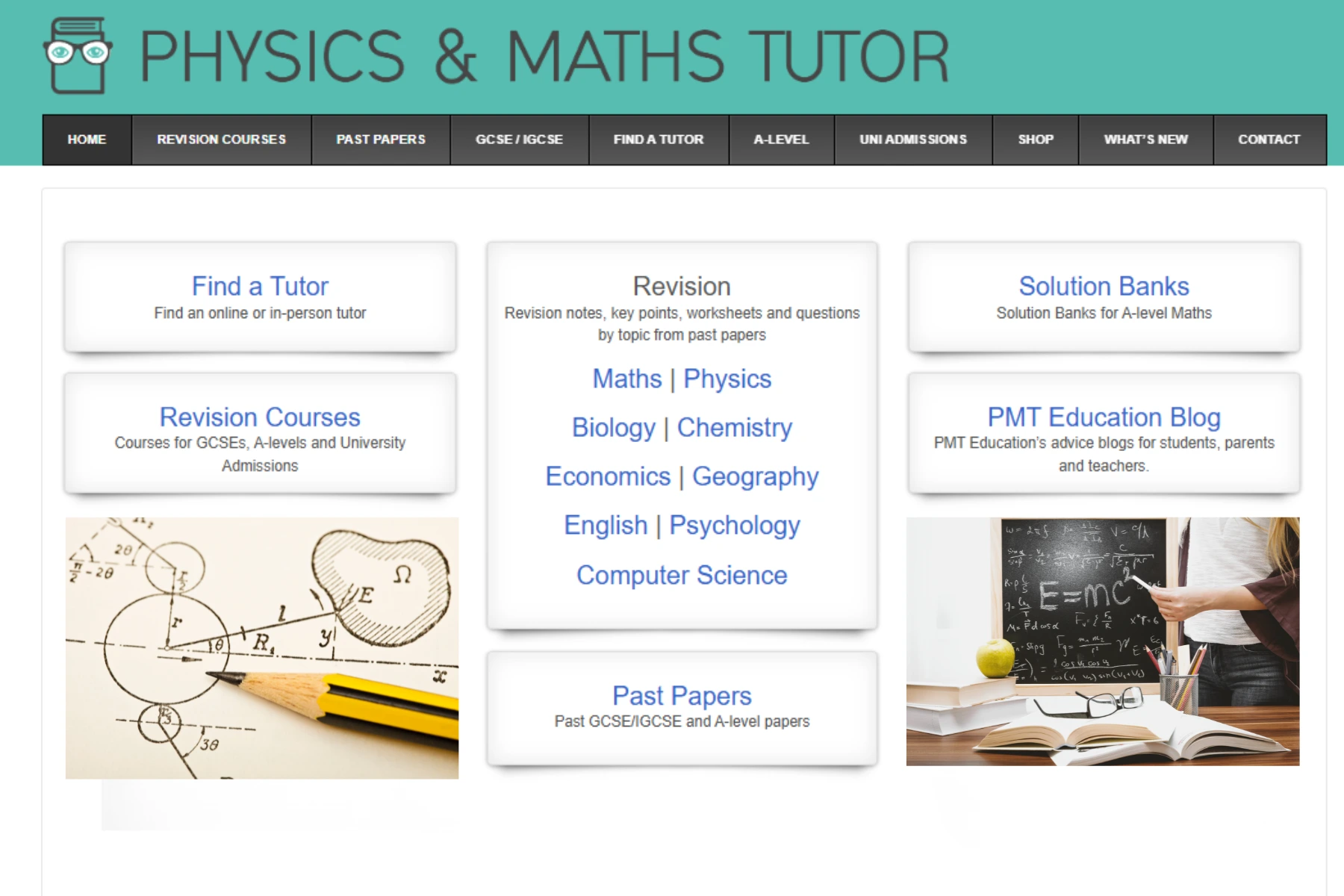
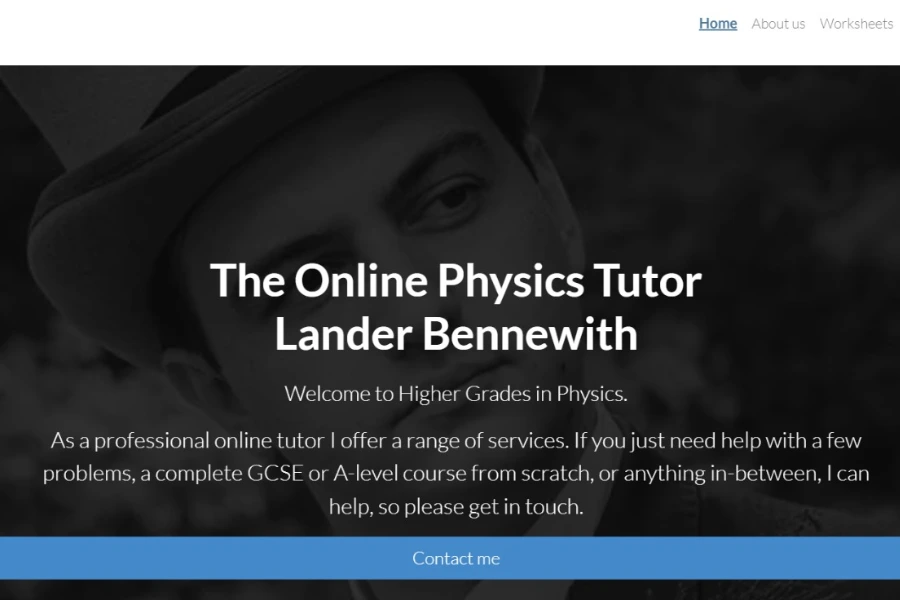
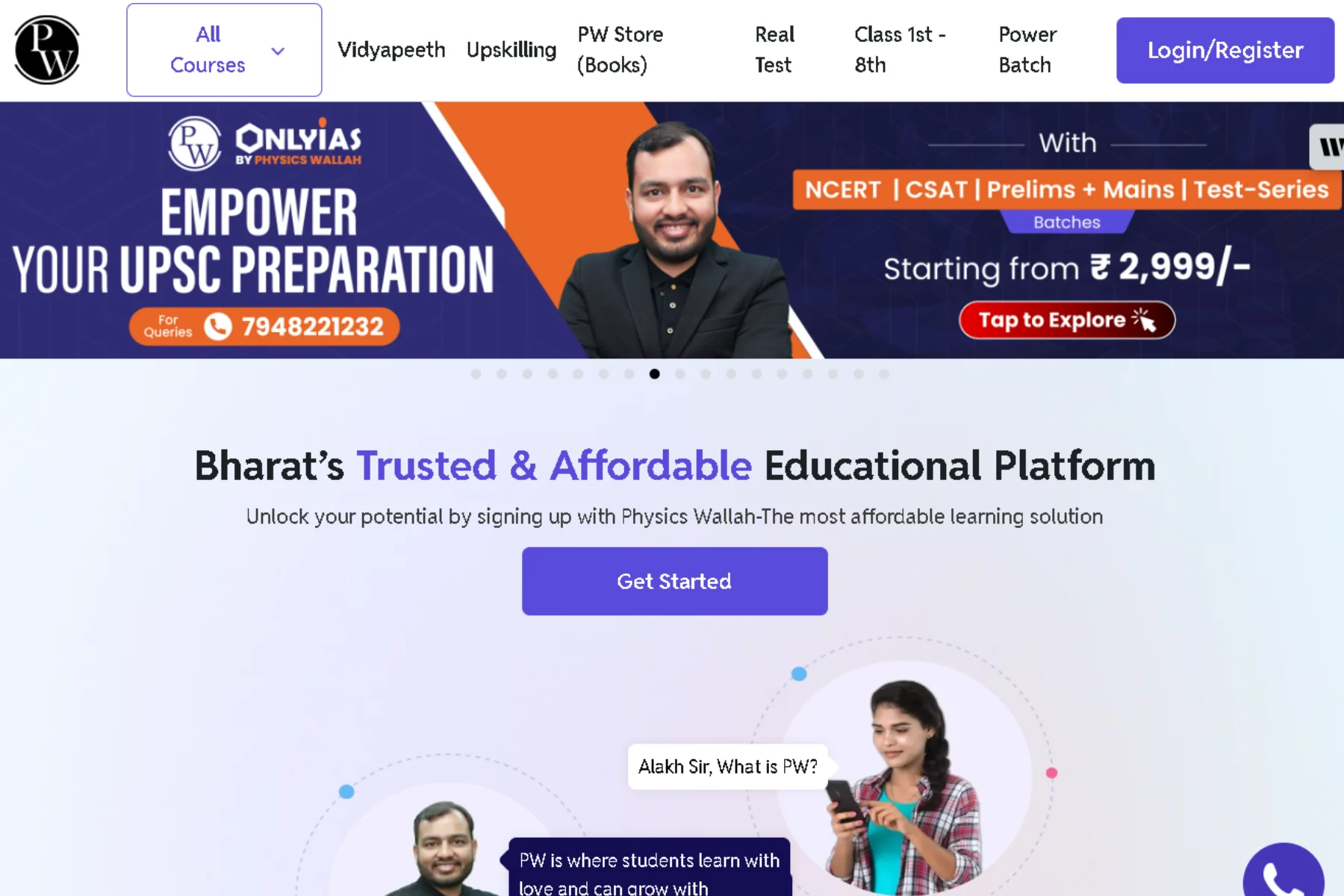
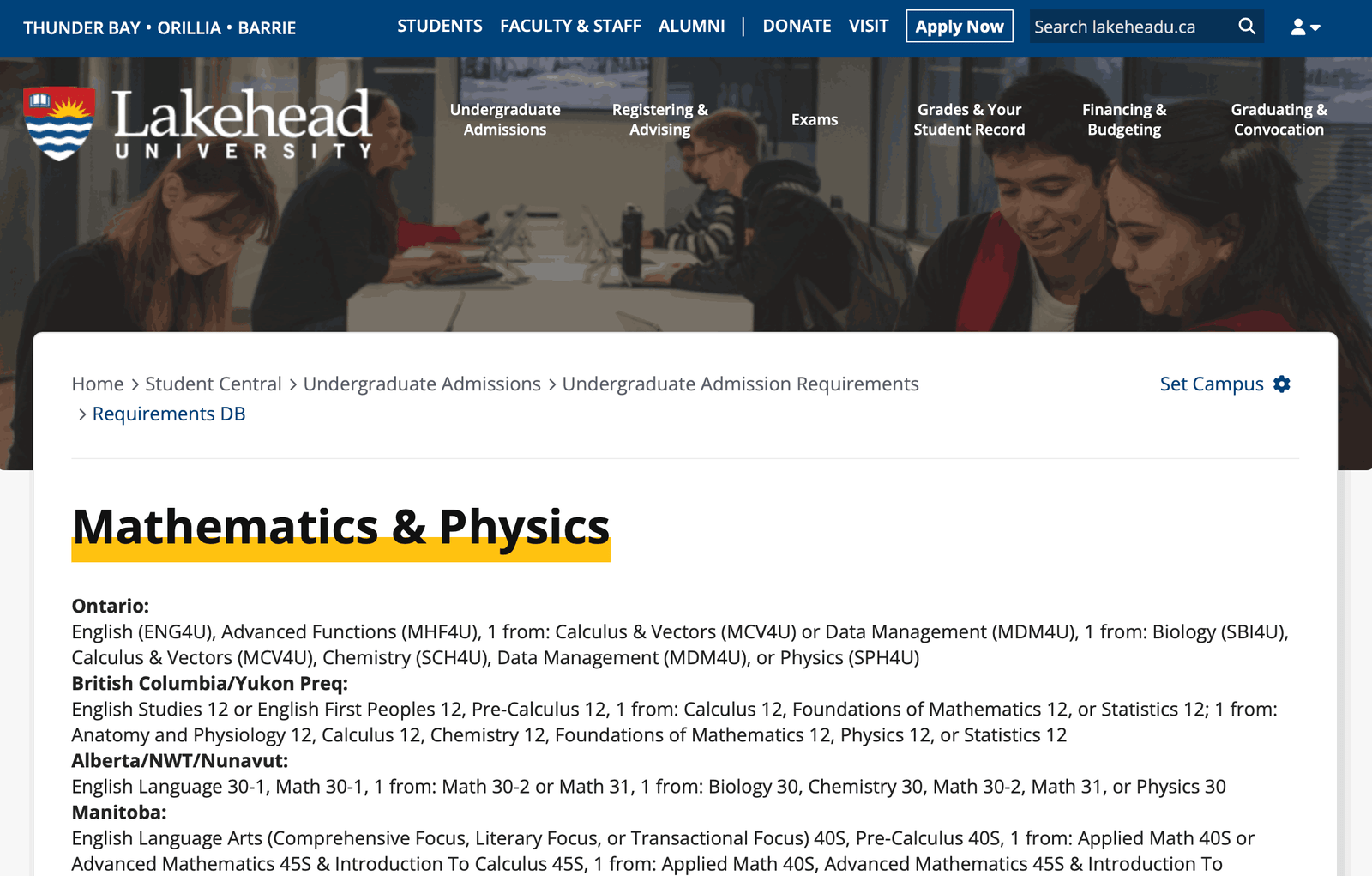
If Udemy feels too self-serve, you still have options. Common Udemy alternatives include 1:1 tutoring (for fast problem-solving), structured university-style courses, and free practice libraries. Below are six options that cover different budgets and learning styles, including My Physics Buddy for students who want direct help.
My Physics Buddy
For “Udemy vs My Physics Buddy,” the core difference is format. Udemy is mainly recorded courses. My Physics Buddy offers 1:1 online tutoring and homework help in Physics and closely related subjects, which can fit students who need guided problem-solving and feedback in real time.
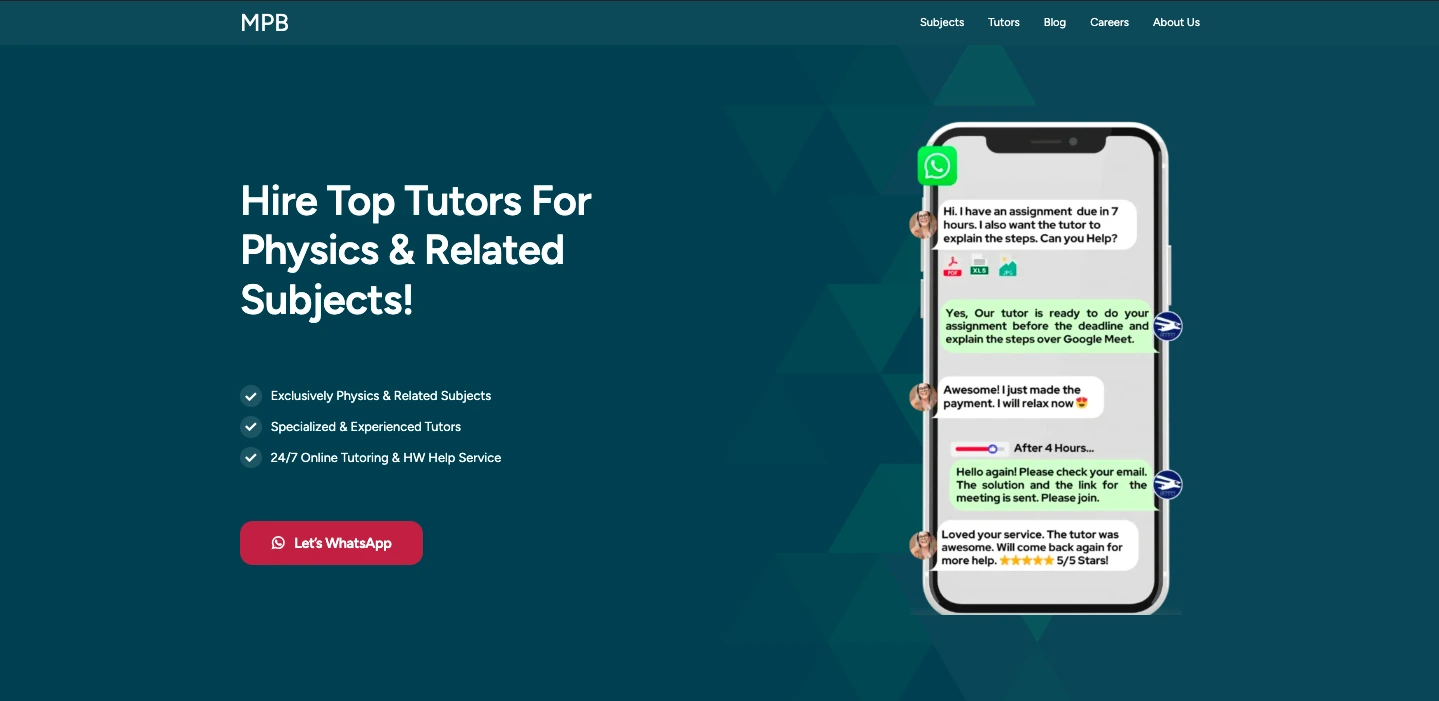
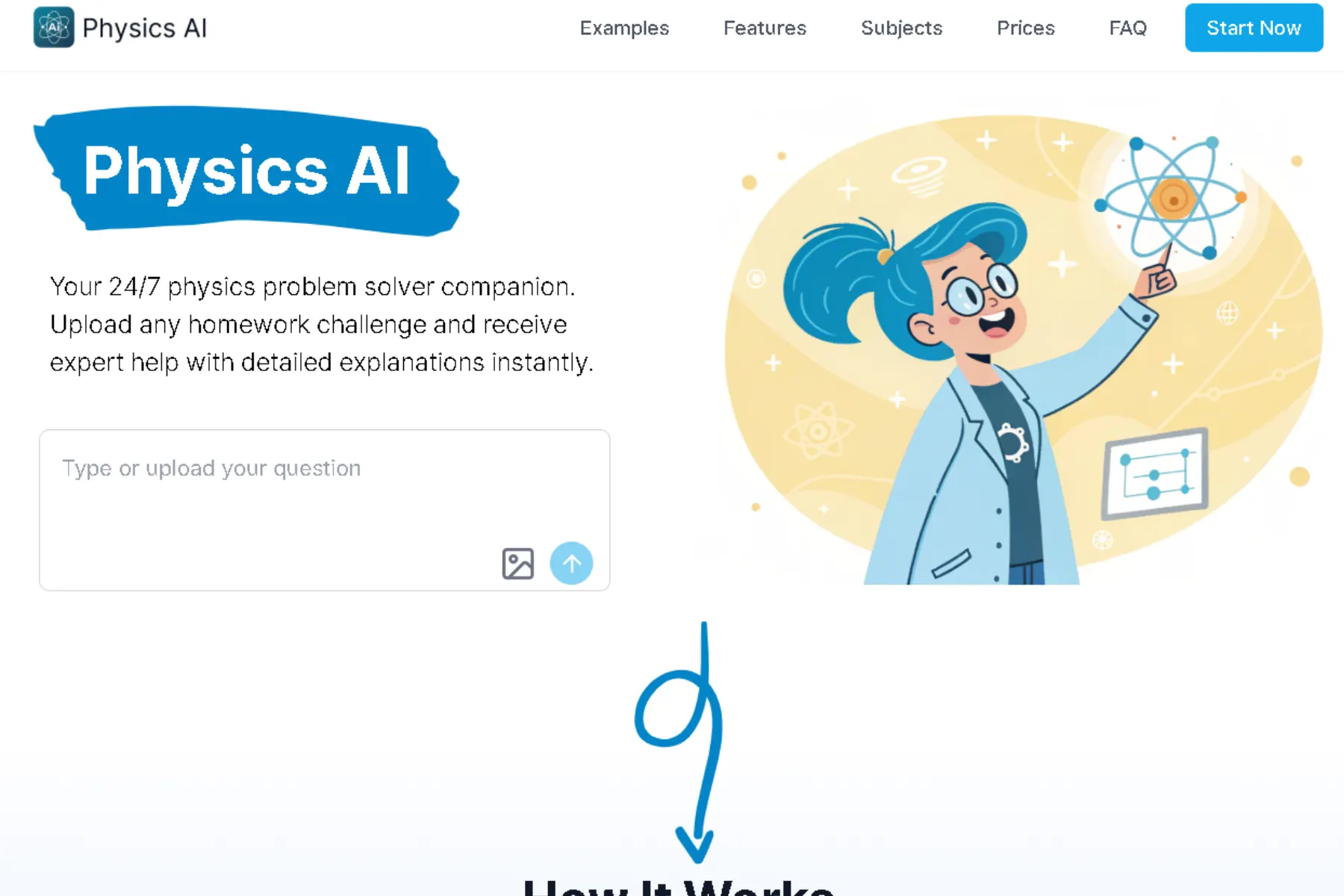
My Physics Buddy offers expert online physics tutoring with 24/7 homework help and quick support via WhatsApp.
Physics support quality: 1:1 tutoring can help when you are stuck on derivations, free-body diagrams, calculus steps, or exam-style problems. The trade-off is that outcomes depend on tutor matching and your session goals, not on a fixed video syllabus.
Varsity Tutors
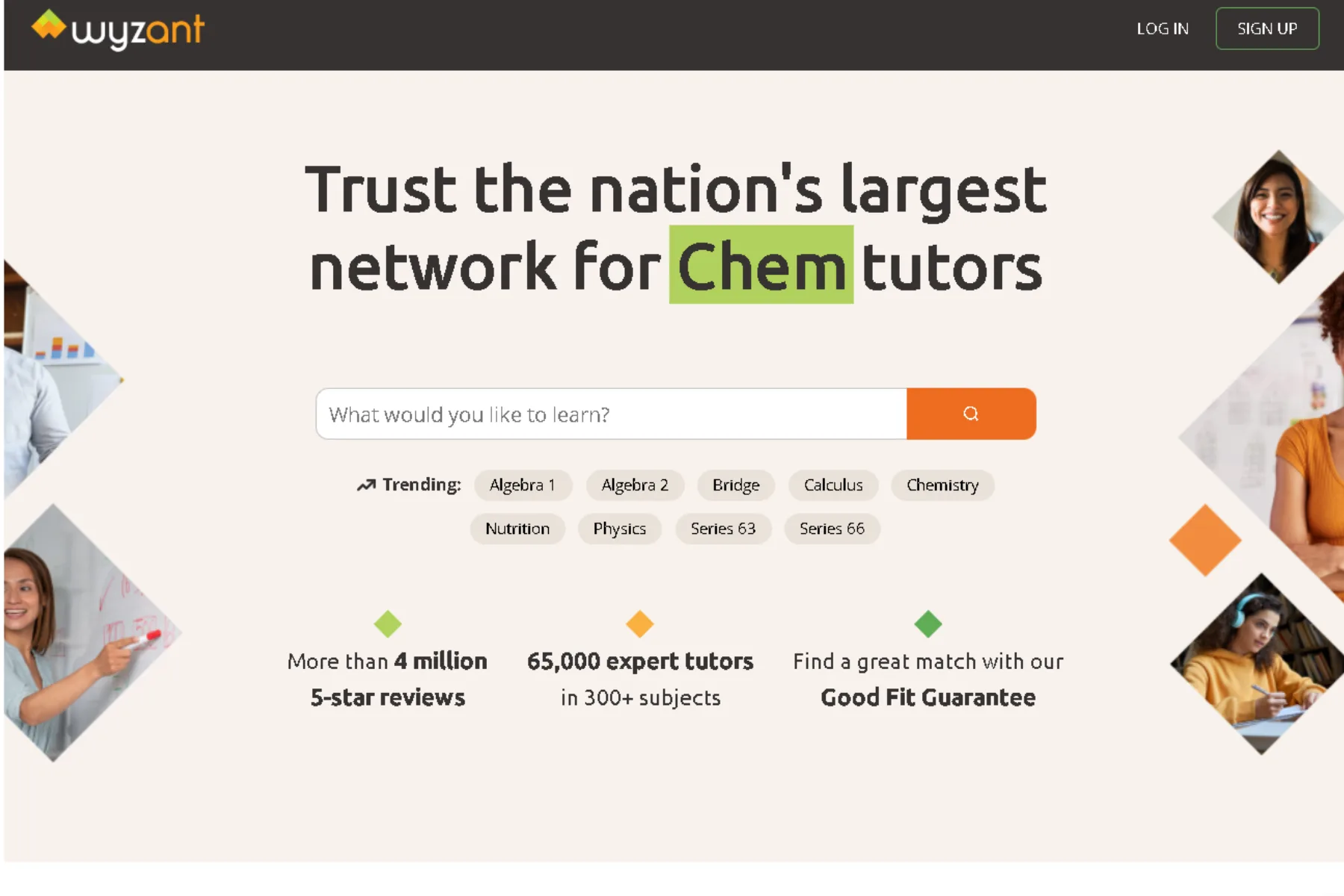
Varsity Tutors is a tutoring marketplace with live sessions. It can suit learners who want scheduled help rather than browsing course catalogs. Pricing often varies by tutor, package, and subject, so it may cost more than a single Udemy course.
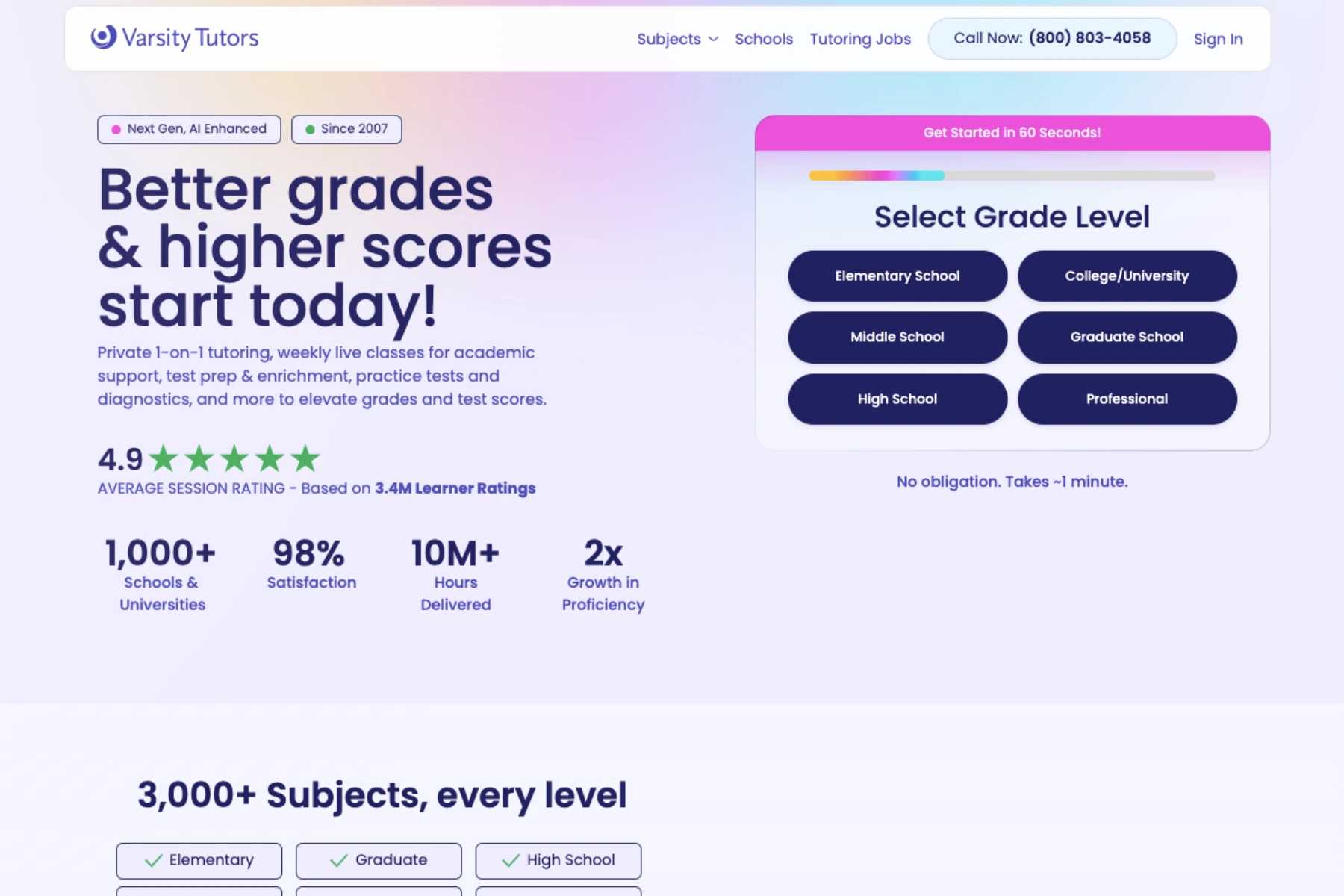
Varsity Tutors offers personalized online tutoring, test preparation, and academic support across elementary, middle school, high school, college, and professional levels.
Physics support quality: Live tutors can correct mistakes quickly and assign targeted practice. Ask for experience with your exact course (calc-based mechanics, E&M, modern physics) before you commit.
Khan Academy (free)
Khan Academy offers free lessons and practice. It is not tutoring, but it can be a strong “first pass” for concepts and foundational problem sets, especially for high school to early college topics.
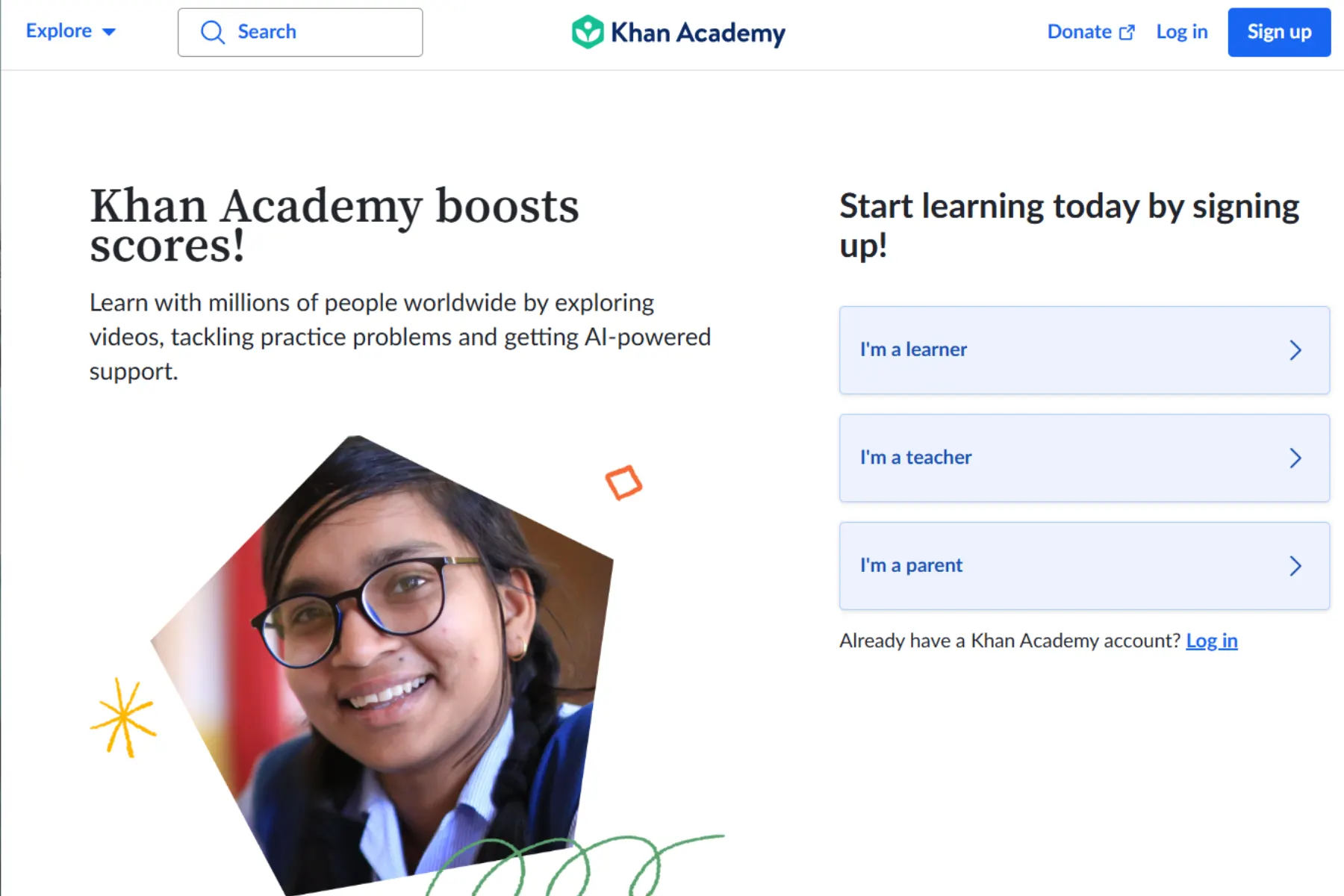
Khan Academy offers free online courses, practice exercises, and AI-powered learning tools for students, teachers, and parents.
Physics support quality: Best for steady practice and concept refresh. If you need deep, course-specific help (labs, professor-style problem sets), you may still want a tutor or office hours.
Coursera
Coursera hosts courses from universities and industry partners. Many courses have clear weekly structure, quizzes, and certificates. It can be a good fit if you want guided pacing rather than a marketplace of many independent instructors.
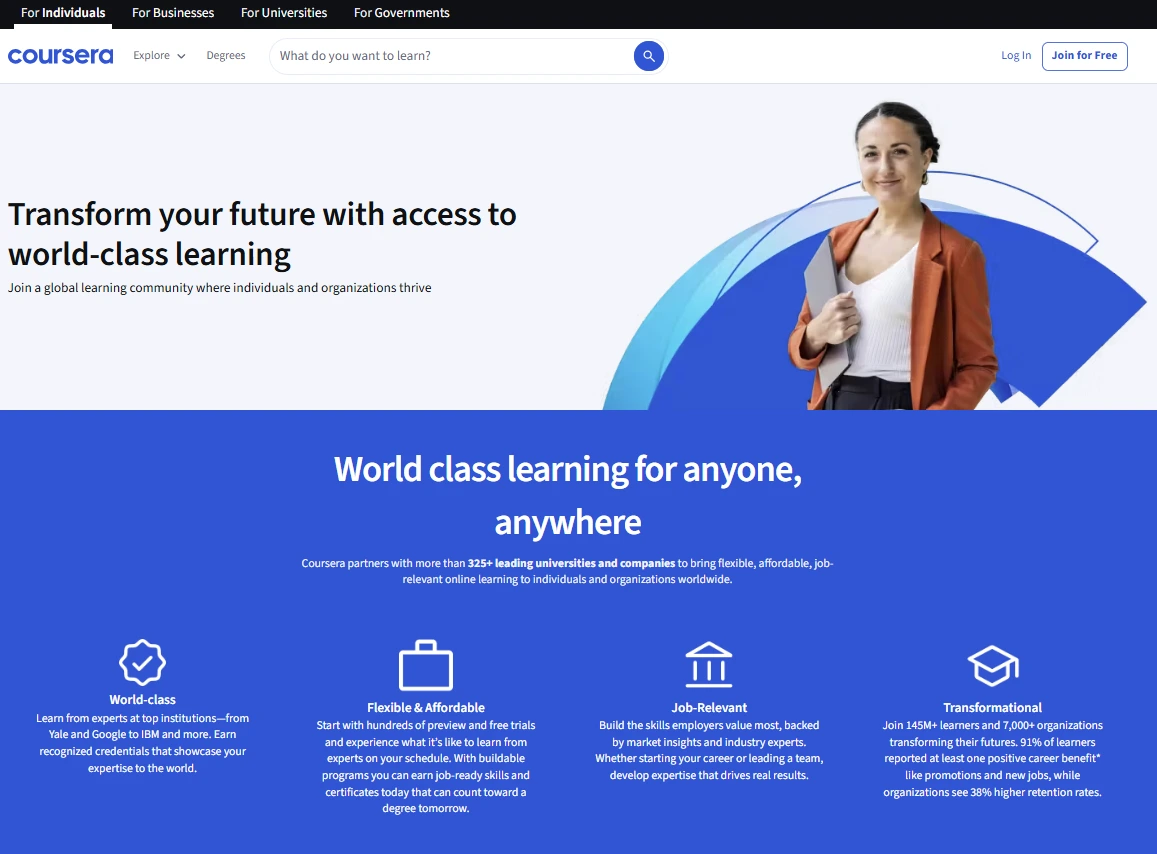
Coursera promotes world-class, flexible online learning with courses from universities and companies, focused on job-relevant skills and recognized credentials.
Physics support quality: University-led courses can feel more consistent in topic coverage. Still, most offerings are not 1:1 tutoring, so you may need external help for tough homework and exam prep.
edX
edX offers Physics courses from institutions, often with audit options and paid certificates. It can work well if you want academic-style lectures and problem sets, sometimes closer to a college syllabus than marketplace courses.
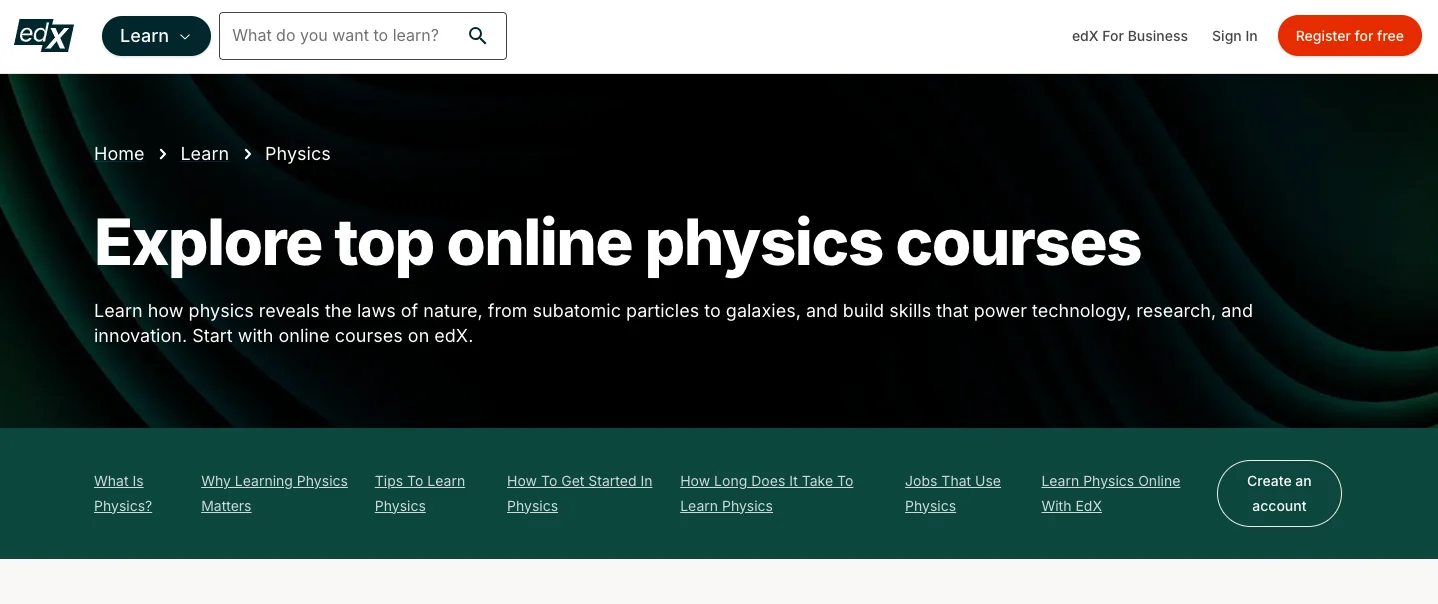
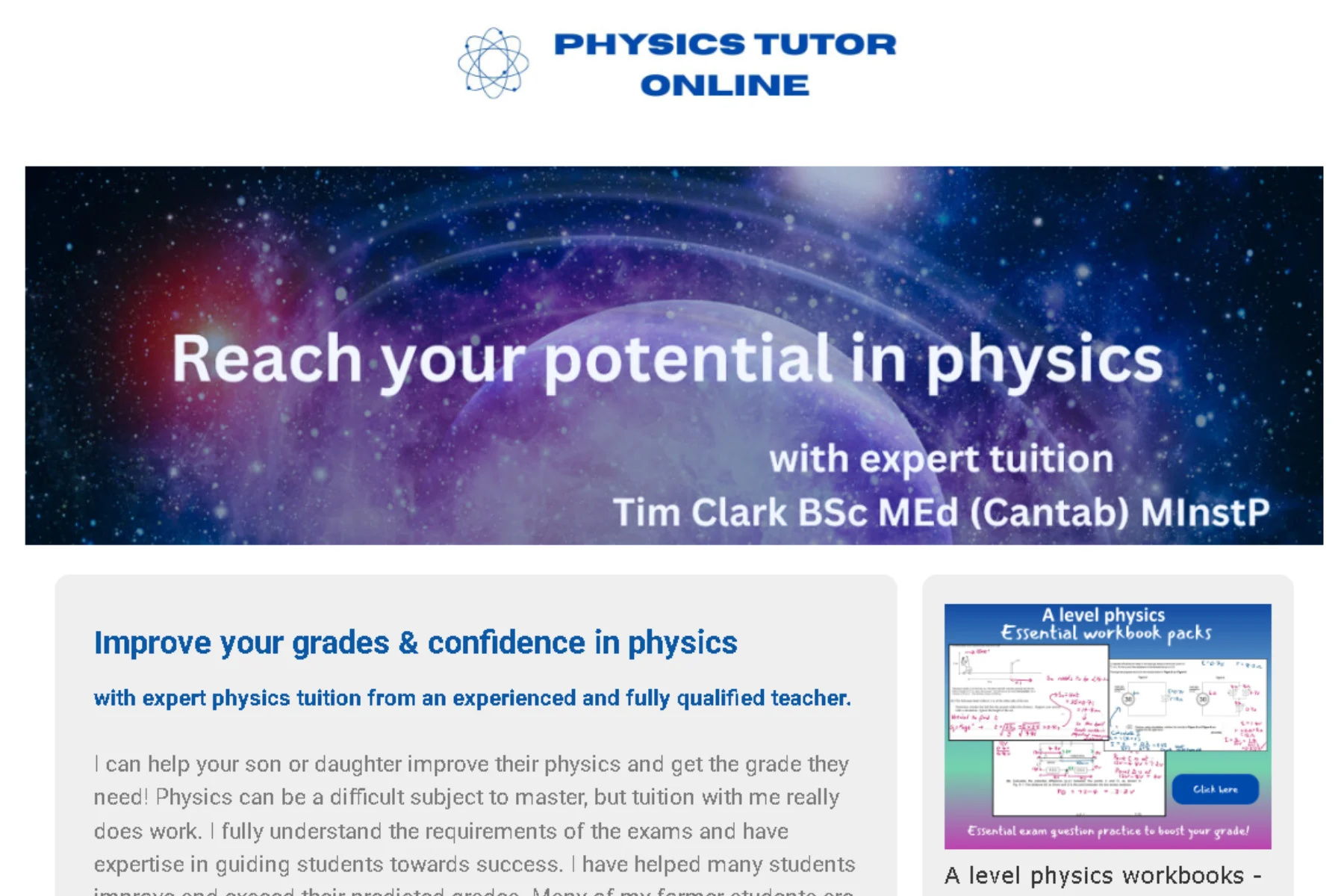
Discover top physics courses on edX and start learning concepts from basic principles to advanced topics.
Physics support quality: Strong for structured learning and recognized partners. Like Coursera, it is usually not live tutoring, so direct homework help may require another resource.
MIT OpenCourseWare (free)
MIT OpenCourseWare (8.01 Classical Mechanics) is a free, university-grade option. It is great for motivated students who want rigorous lectures and materials without paying for access.
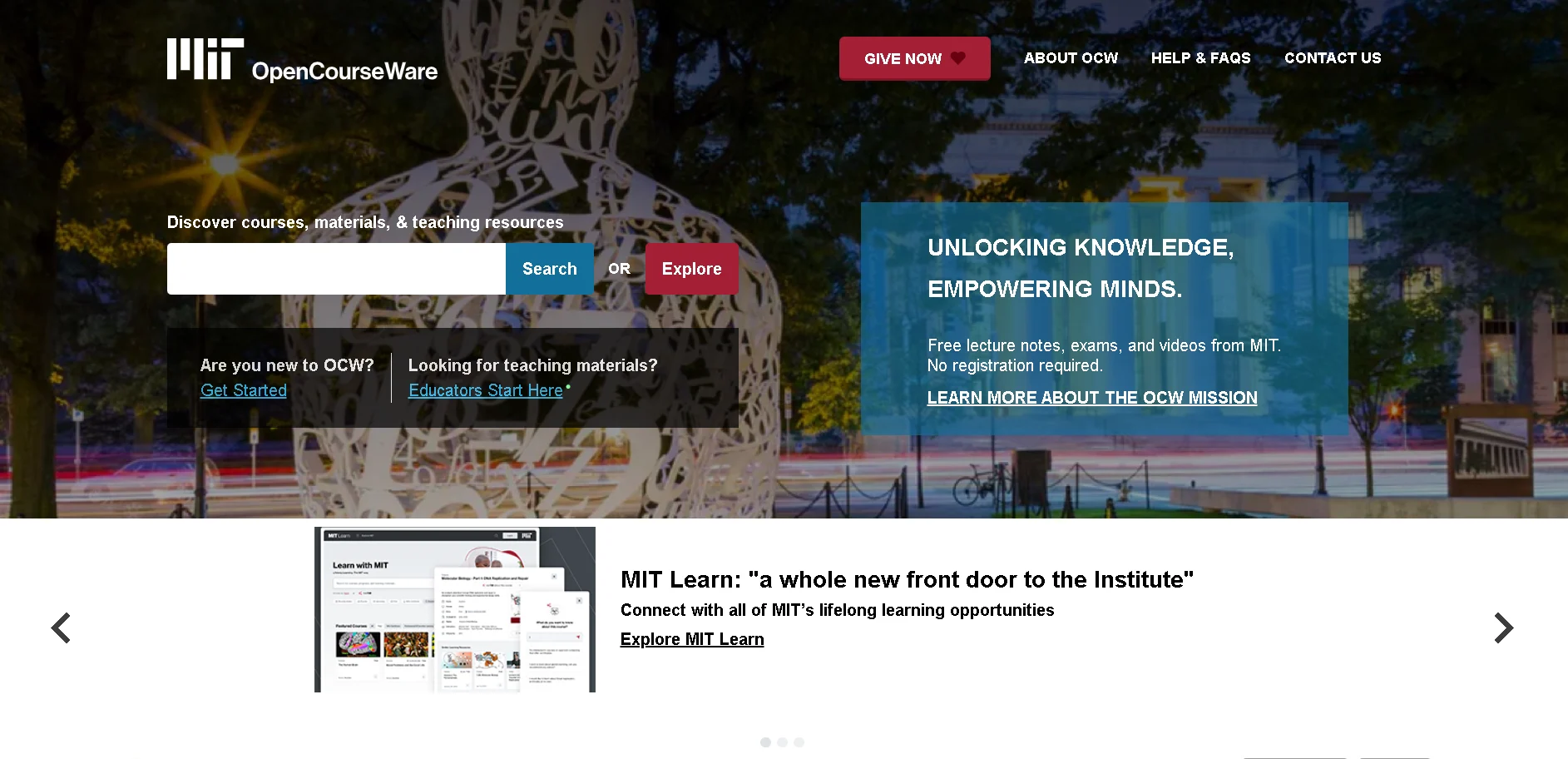
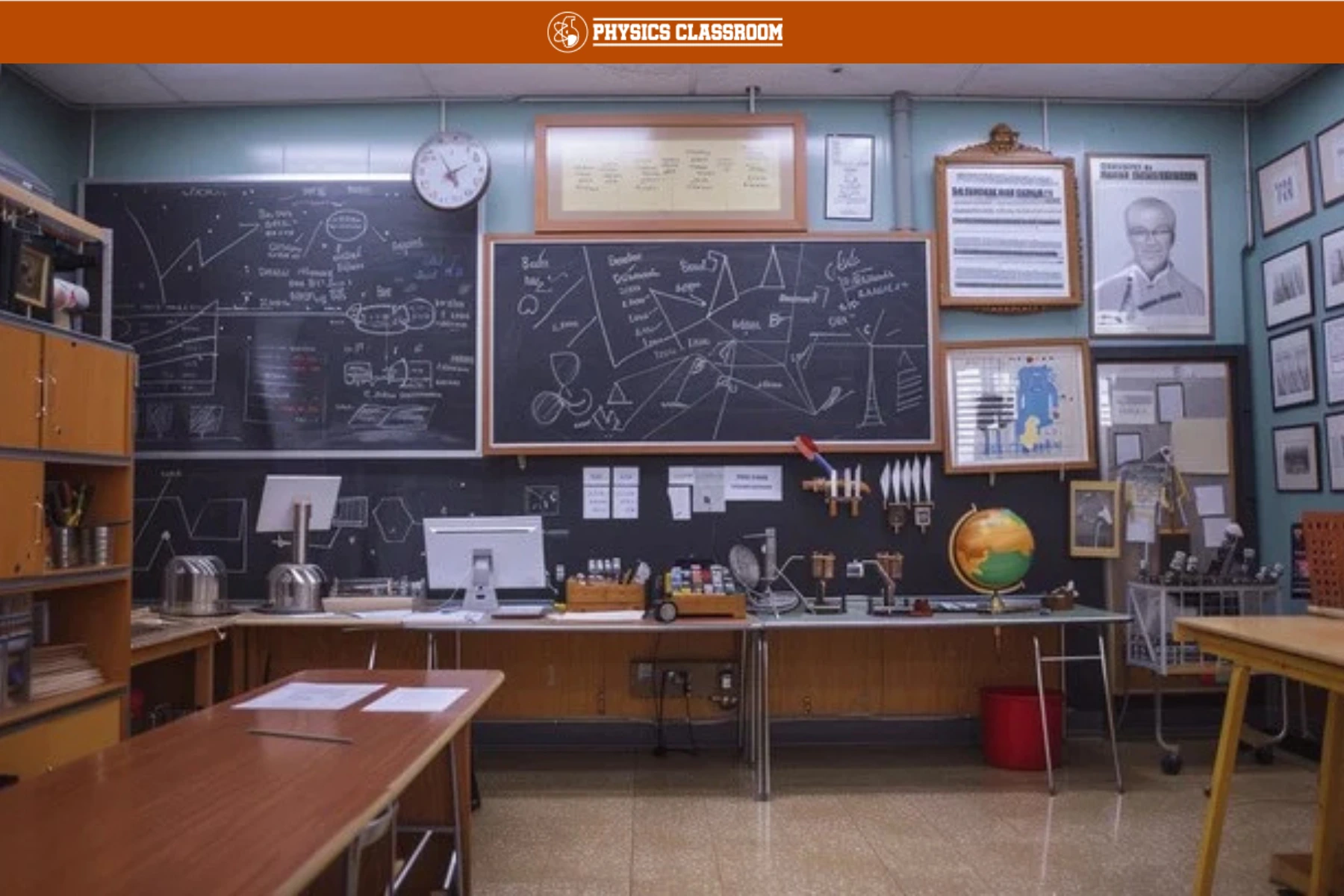
MIT OpenCourseWare displays Physics course listings, including Classical Mechanics, with filters and a search tool.
Physics support quality: Content is high quality, but there is no built-in tutoring. Pair it with a tutor if you want feedback on your problem-solving steps.
Winners
Quality of Tutors: My Physics Buddy
Pricing: Khan Academy
Quality of Customer care: My Physics Buddy
Ease of use: Udemy
How It Works
For students
Udemy is built for self-paced study. You create an account, search topics, preview course pages, then enroll by buying a single course or using an eligible subscription. Udemy says you can start courses from your “My learning” area and that there are no deadlines for most courses. See Learning With Udemy: FAQs. If you want Physics, also compare calculus and mechanics options, because many Physics courses assume math background. See Udemy Calculus courses and Udemy Mechanics courses.
For tutors (instructors)
Udemy is not a “tutor marketplace” in the classic sense. It is a course marketplace. Instructors create video-based courses and upload content to the platform. Udemy describes minimum requirements (like video length and lecture count) and a review step before publishing. See Teaching on Udemy: FAQs and Quality Review Process. Udemy also describes revenue share models and notes there is no fee to create and host a course. See Instructor Revenue Share. (Updated expectations can change in 2026.)
Udemy Company Information
Background and mission: Udemy describes itself as an online learning marketplace and highlights a mission focused on unlocking potential through skills. See About Udemy. Udemy’s origin story names founders Eren Bali, Oktay Caglar, and Gagan Biyani. See Udemy Company (origins) and a company story post that references its 2010 start on Udemy News: “A new day, a new era”.
Founders (public profiles): Eren Bali, Gagan Biyani, and Oktay Caglar.
Scale (public numbers): Udemy’s “About” page lists 84M learners, 90K instructors, 290K+ courses, and 1.2B course enrollments, plus 78 languages and 17K+ enterprise customers. See Udemy’s impact stats.
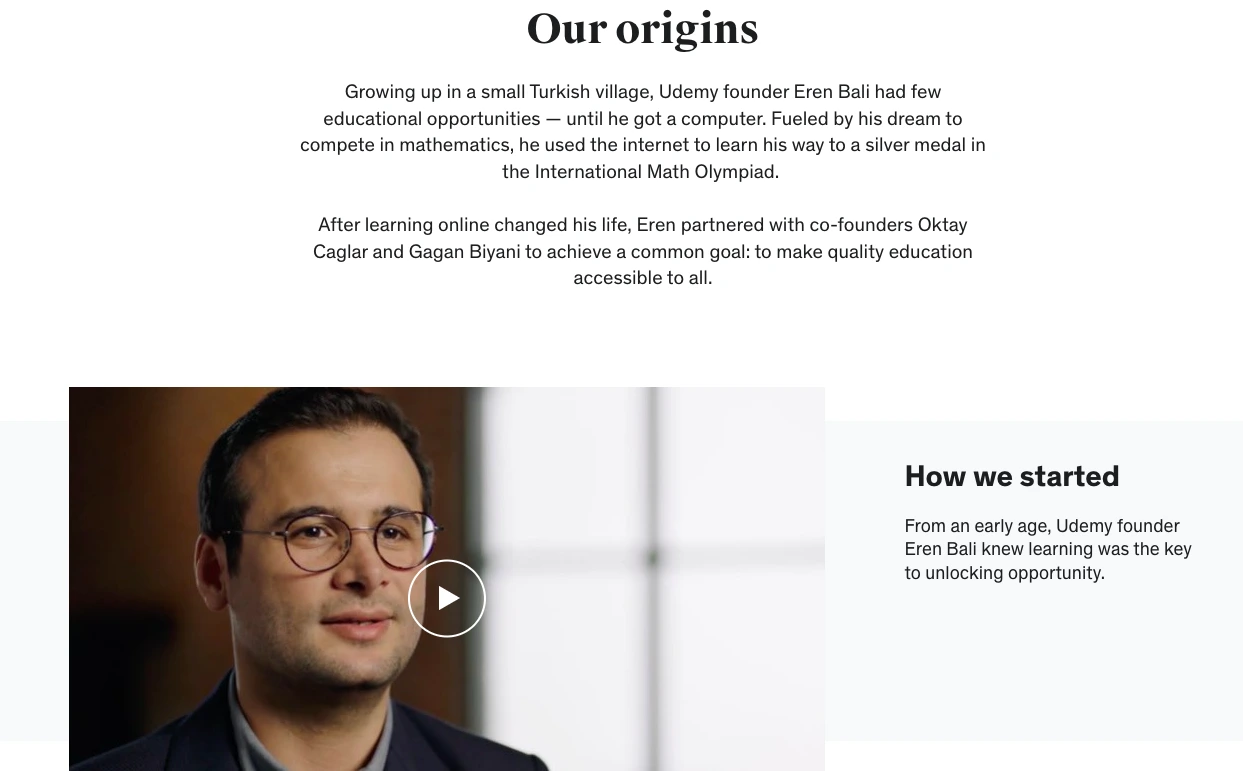
Learn how Eren Bali founded Udemy to make quality education accessible worldwide.
Headquarters and filings: Udemy’s SEC filing index shows its San Francisco address (600 Harrison Street) and confirms it files annual reports. See SEC EDGAR filing detail.
CEO: Udemy announced Hugo Sarrazin as CEO in March 2025. See Udemy press release on CEO appointment and the related SEC disclosure on Udemy’s 8-K filing (CEO transition).
Misc (USP, drawbacks, support, reach): Udemy’s USP is scale and variety: many courses, many instructors, and self-paced access. Independent coverage also flags trade-offs like uneven course freshness and app friction. See a catalog analysis on Class Central’s “Udemy by the numbers” report and a mainstream platform roundup on TechRadar’s online course platform guide. For support entry points and global offices, see Udemy Careers (locations).
Future plans (AI and platform changes): Udemy has published details about GenAI learning features such as an AI assistant, summaries, and guided discovery. See Udemy blog on GenAI learning features. Udemy has also announced AI-focused training packages for workforce upskilling. See Udemy AI fluency packages press release. For instructor-side changes, Udemy’s instructor community post describes a phased rollout of “Instructor Subscriptions” in 2026. See Udemy instructor community update.
Industry consolidation note: In late 2025, Coursera announced a plan to combine with Udemy (subject to approvals), with details in Coursera’s investor announcement and independent coverage from Reuters.
FAQs
Is Udemy legit for Physics learning?
Udemy is legit as a company, but Physics outcomes depend on the specific course and instructor you choose, since Udemy is a marketplace.
Do Udemy Physics courses include problem solving?
Some do, some don’t. Check the syllabus and previews, and look for quizzes or worked examples before enrolling.
Can I learn Physics on Udemy for free in 2026?
Some Physics content is free, but availability changes. Browse Udemy’s free Physics course listings.
How do refunds work on Udemy?
Most single-course purchases have a 30-day refund window, but subscription refund rules differ. Start with Udemy’s refund steps and policies.
What is the best Udemy alternative for 1:1 Physics help?
For real-time problem solving and feedback, tutoring options can fit better than recorded courses, including My Physics Buddy and other live tutor marketplaces.
Conclusion
Udemy can be useful if you want self-paced learning and you are willing to compare courses carefully. Udemy pricing can be low for single courses, but policy details matter for refunds and subscriptions in 2026.
Users can log in to Udemy using email or social accounts to continue their learning journey.
Physics learning note: Udemy is not a Physics tutoring service. If you need fast, guided help on homework, derivations, or exam-style problems, a 1:1 option like My Physics Buddy may fit better than prerecorded lessons.
TRUST & TRANSPARENCY NOTE
This article is based on publicly available data, reviews, and official sources, last verified in 2026.
My Physics Buddy is listed as an alternative and reviewed using the same criteria as competitors.
Disclaimer: This article provides general educational guidance only. It is NOT official exam policy, professional academic advice, or guaranteed results. Always verify information with your school, official exam boards (College Board, Cambridge, IB), or qualified professionals before making decisions. Read Full Policies & Disclaimer , Contact Us To Report An Error.

By Ashish PM