edX Reviews, Pricing & Best Alternatives (For Physics) in 2026
Self-paced courses or real-time help — the difference could decide your grade.
By Ashish PM
| Published on March 24, 2026

Reviewed By Pankaj Kumar
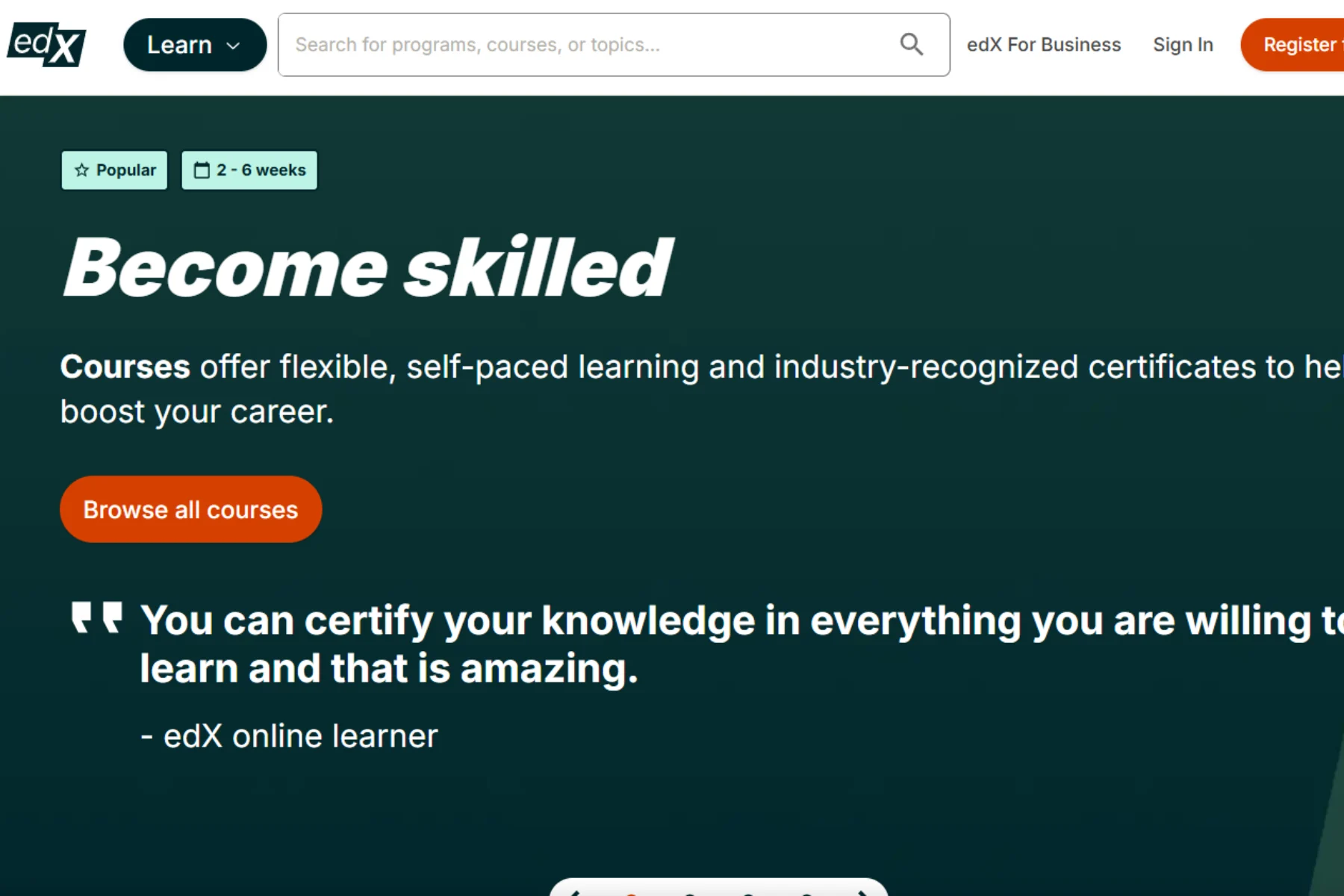
edX is one of the world’s largest online learning platforms, originally co-founded by MIT and Harvard in 2012. It now operates under 2U, Inc. and offers over 4,200 courses, certificates, and full degree programs from 250+ universities and institutions globally.
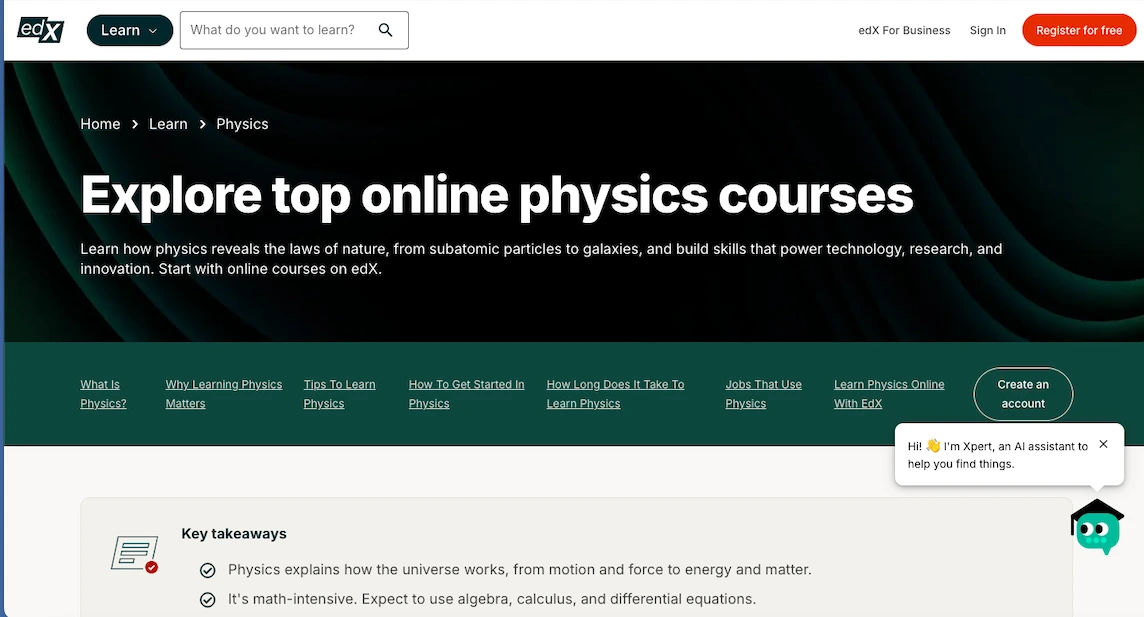
edX platform featuring online physics courses, resources, and learning pathways.
This article gives students and parents a clear, fact-based look at edX — its user reviews, pricing, Physics-related offerings, and how it compares to alternatives — so you can make the most informed decision for your academic needs.
Reviews & User Feedback for edX in 2026
edX carries very different ratings depending on where you look. Consumer platforms like Trustpilot reflect widespread frustration with customer support and outdated content, while B2B and education-focused platforms like G2 and Capterra show far more positive sentiment. Employee reviews on Glassdoor paint a picture of a company in flux since its acquisition by 2U. For Physics and STEM specifically, feedback highlights mixed experiences: the course content from MIT and other institutions is generally praised, but the lack of live instruction is a recurring gap.
Trustpilot
edX has approximately 1,337 reviews on Trustpilot with a rating of 1.4 out of 5 stars — one of the lowest among major e-learning platforms. The majority of complaints focus on poor customer support, difficulty getting refunds, and outdated course materials. Reviewers report that when issues arise, support often suggests unenrollment instead of resolving the problem. One Trustpilot reviewer noted they enrolled in a certificate program only to find a course within it was unavailable for most of the year — and received no refund.
For Physics and STEM learners specifically, some reviewers flagged that content has not been updated since courses were first published, with code examples, libraries, and references that no longer work correctly. Positive reviews are rare on this platform and generally praise the quality of the institution behind the course, not edX’s own service.
G2
On G2 — a B2B software review site — edX holds a rating of 4.5 out of 5 stars from over 100 reviews. Users here tend to be professionals and enterprise learners rather than individual students. They praise course variety, institutional credibility, and the ability to audit for free. Complaints on G2 are fewer but still note inconsistent course quality and limited interactivity.
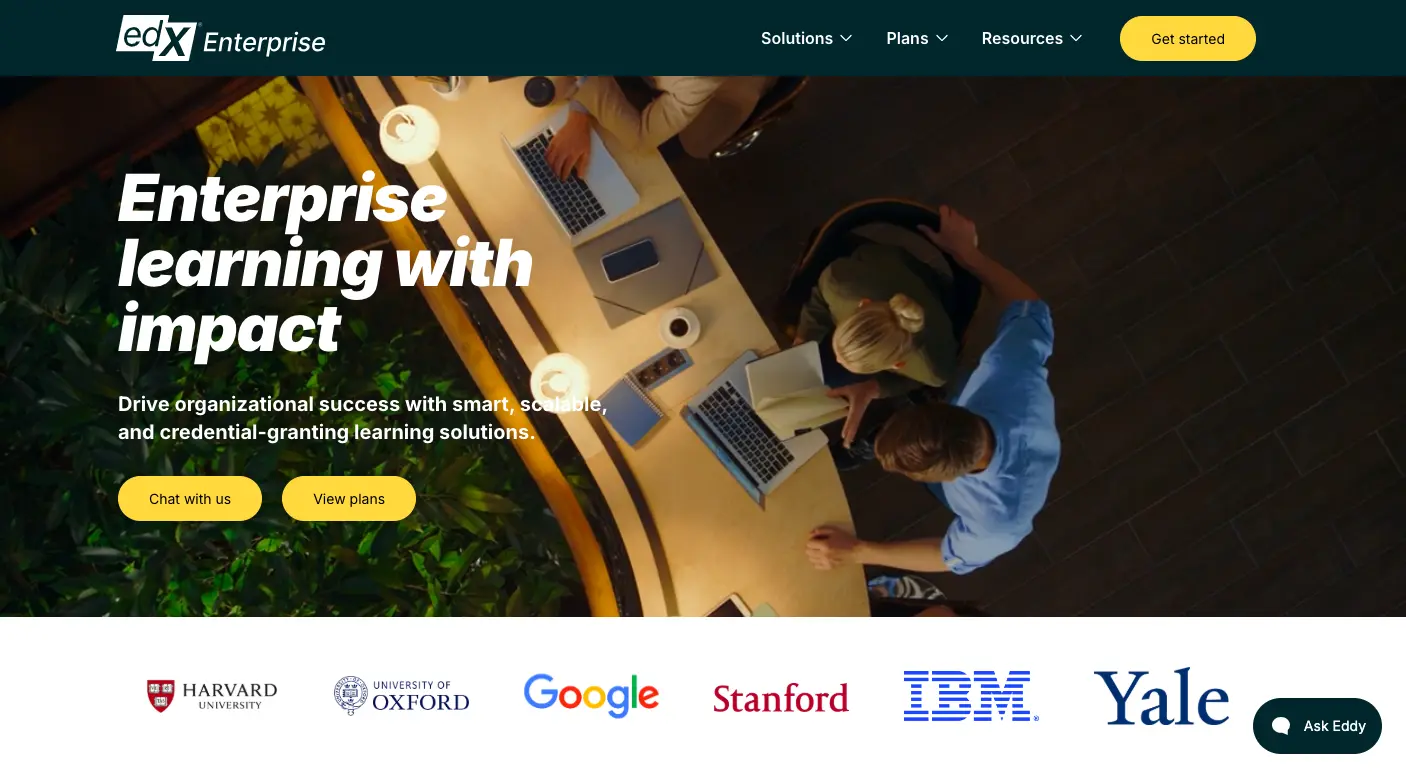
edX Enterprise empowers organizations with scalable, credential-based learning solutions in partnership with leading universities and global companies.
Physics-specific feedback on G2 is limited, as the platform skews toward business and tech courses. However, reviewers who mention STEM content generally rate it well for foundational learning.
Capterra
On Capterra, edX is rated positively by users who appreciate course breadth and university partnerships. Common pros include accredited certifications, self-paced flexibility, and content quality from top institutions. Common cons include an interface that some users describe as not encouraging enough for study, expensive certificates, and inconsistent subtitle availability. Capterra reviewers note that edX is particularly strong for learners who are self-disciplined and goal-oriented.
Glassdoor (Employee Reviews)
edX holds a 3.3 out of 5 stars employee rating on Glassdoor from 221 reviews. Employees note a strong mission and positive colleagues but report significant instability since the 2U acquisition, including multiple rounds of layoffs, management changes, and reduced benefits. One reviewer noted the company was “in constant flux” with staff reductions across multiple departments several times in a year.
These internal challenges are worth noting because company instability can affect platform maintenance, course updates, and support quality — all areas where edX has already received criticism from learners.
Is edX Legit?
edX was co-founded in 2012 by MIT and Harvard — two of the world’s most prestigious universities — and operated as a nonprofit for nearly a decade. It was acquired by 2U, Inc. for $800 million in November 2021. In July 2024, 2U filed for Chapter 11 bankruptcy protection while planning to continue operations as a private company, eliminating over $450 million in debt. edX.org continues to operate under this restructured entity.
The platform has served tens of millions of learners globally and partners with 250+ institutions including MIT, Harvard, Berkeley, and Oxford. Its certificates are recognized by major employers and, in some cases, count toward degree credit.
Is edX legit?
Yes, edX is a legitimate online learning platform with deep institutional roots at MIT and Harvard. However, since its parent company 2U filed for Chapter 11 bankruptcy in 2024, prospective learners should monitor edX’s operational stability before committing to long-term degree programs.
edX Pricing, Refunds & Policies in 2026
edX allows learners to audit most courses completely free, with no certificate or graded assignments. For a verified certificate, courses range from $50 to $300 per course. Professional Certificate Programs bundle multiple courses and cost $550–$1,500. MicroMasters Programs start around $600–$1,500. Full online degree programs start at approximately $10,000, per edX’s official pricing page.
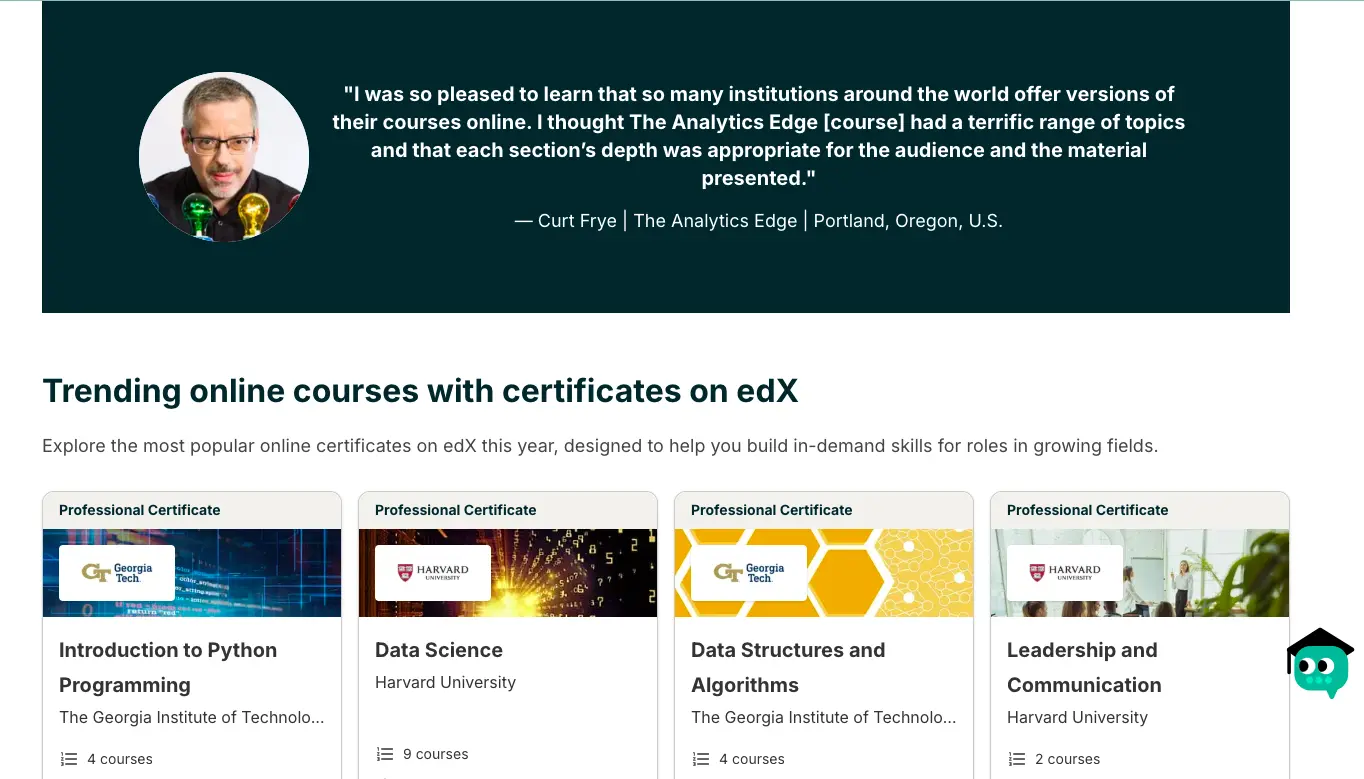
A learner testimonial highlights edX course quality, alongside trending professional certificate programs from institutions like Harvard and Georgia Tech.
User feedback on pricing is divided. Many learners appreciate the free audit option and find the certificate fees reasonable when compared to traditional university tuition. However, a notable segment — particularly on Reddit and Trustpilot — express frustration that course content is freely accessible yet the certificate alone carries a steep price. Some users describe the model as “paying for a piece of paper,” while others find the credentials genuinely career-boosting. Compared to live tutoring services (which can run $30–$100/hour), edX’s course bundles can represent good value for structured, self-directed learning.
Trials: edX does not offer a traditional free trial. Instead, it allows learners to audit most courses indefinitely at no cost. This means you can access lecture videos and reading materials, but graded assignments and certificates require payment. Audit access is time-limited for some courses (typically 4–12 weeks from course start).
Refunds: edX’s refund policy allows learners to request a refund within 14 days of purchase or course start date — whichever comes later. However, if you complete the course and earn a certificate within those 14 days, no refund is issued. For Professional Certificate and MicroMasters programs, completing more than one course in the series makes you ineligible for a refund. In practice, multiple Trustpilot reviewers report difficulty actually receiving refunds, with one user stating they were denied a refund even after a course became unavailable mid-program.
Hidden Fees: edX does not charge a monthly subscription or hidden registration fee. You pay only for verified certificates or degree enrollment. Financial aid is available for some programs — up to a 90% discount — via an application process reviewed within 2–4 days, according to NutmegEducation. There are no widely reported hidden fees, though some learners have expressed surprise when audit access expired before they could complete a course.
Alternatives to edX
edX is one option in a broad landscape of online learning and tutoring platforms. For Physics and related subjects like calculus, engineering mechanics, and math, students have a range of choices — from live 1:1 tutoring to self-paced MOOC platforms, YouTube channels, and local resources. Here is a practical overview of the best alternatives based on your learning needs and budget.
My Physics Buddy (MPB)
My Physics Buddy offers live, 1:1 online tutoring and homework help in Physics and closely related subjects including calculus, engineering mechanics, and math. Sessions are personalized to the student’s exact question or problem, not a fixed syllabus. This makes it particularly effective for students who are stuck on specific concepts, assignments, or exam preparation. MPB serves students globally in developed countries and is accessible on a flexible, pay-as-you-go basis.
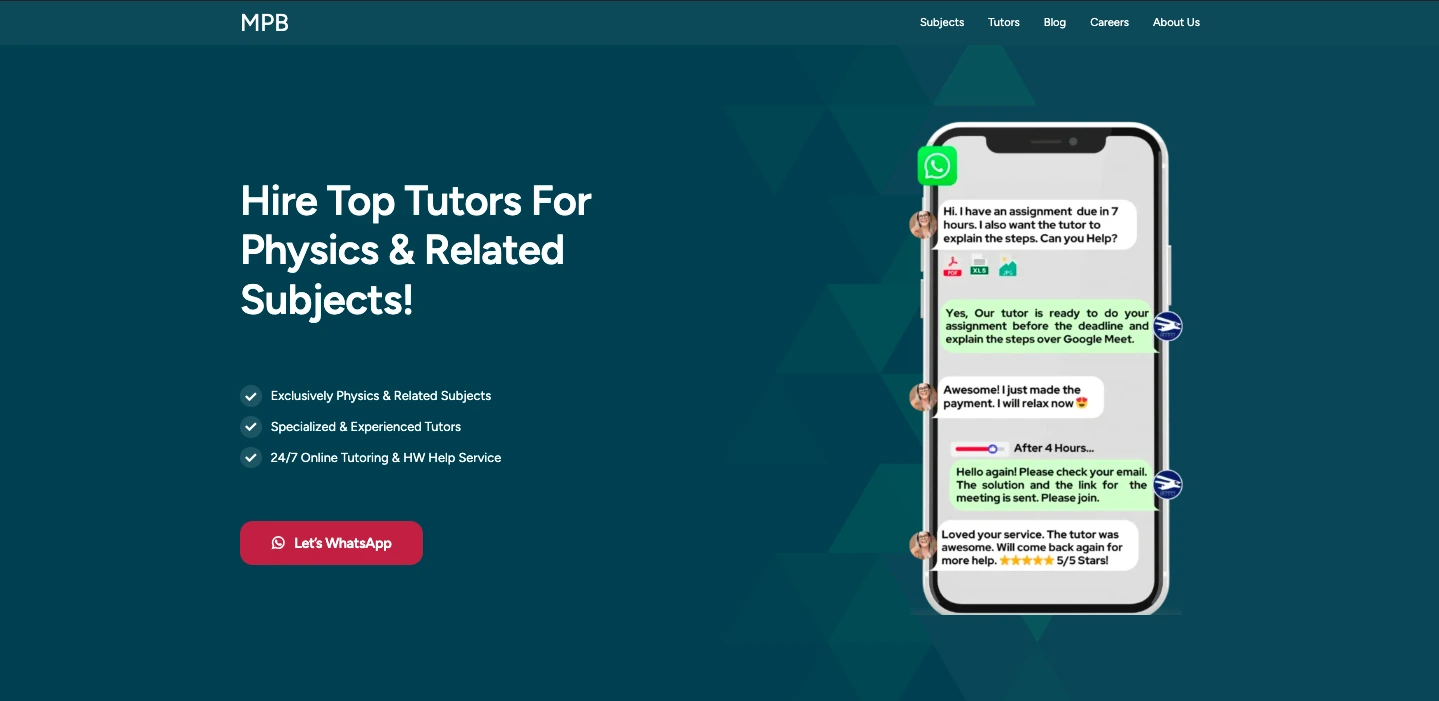
My Physics Buddy offers expert online physics tutoring with 24/7 homework help and quick support via WhatsApp.
The platform’s tutors are subject-matter specialists, not generalist instructors. For Physics in particular, this means students get targeted help from someone who deeply understands the material — not pre-recorded lecture content. The main limitation is that MPB does not offer broad certificates or degree programs. It is focused purely on learning and academic performance, making it a strong complement to a course platform like edX, or a standalone solution for students who need personalized, expert help fast.
Coursera
Coursera is edX’s closest competitor and offers university-level courses, specializations, and degrees from top institutions. It also features a subscription plan (Coursera Plus at $399/year) for access to thousands of courses — a model edX lacks. Physics content on Coursera includes foundational to advanced courses. Pros: subscription flexibility, wider course variety, strong certificate recognition. Cons: subscription cost can be high if you only need one course, and Physics offerings are less specialized than dedicated tutoring services. Instructor quality is generally strong, with university professors delivering structured content.
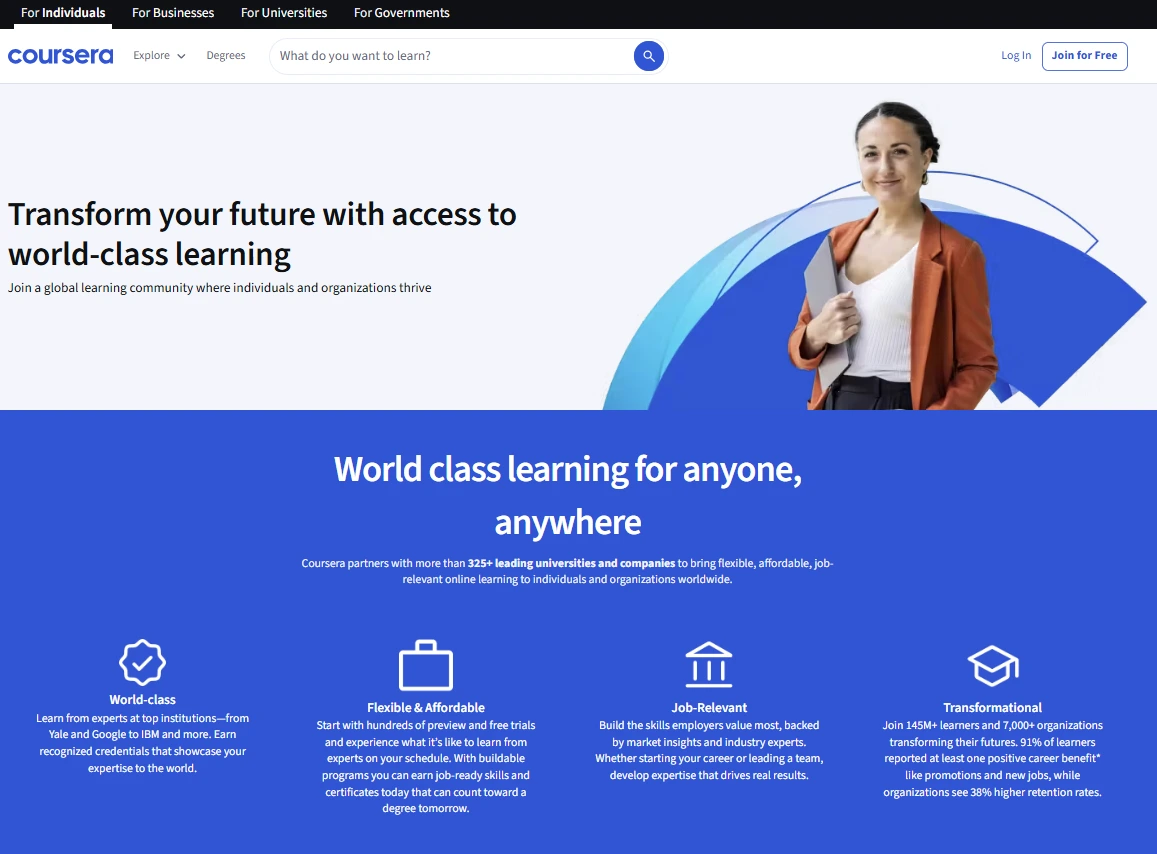
Coursera promotes world-class, flexible online learning with courses from universities and companies, focused on job-relevant skills and recognized credentials.
Khan Academy
Khan Academy is entirely free and covers Physics, calculus, algebra, and mechanics at a high school to early college level. It is excellent for building foundational understanding and exam prep. The content is well-organized, with videos, practice problems, and instant feedback. Pros: completely free, no sign-up required, excellent for fundamentals and AP Physics. Cons: content does not extend to advanced undergraduate or graduate-level Physics, and there is no live instruction or personalized help. Best suited as a supplemental
resource.
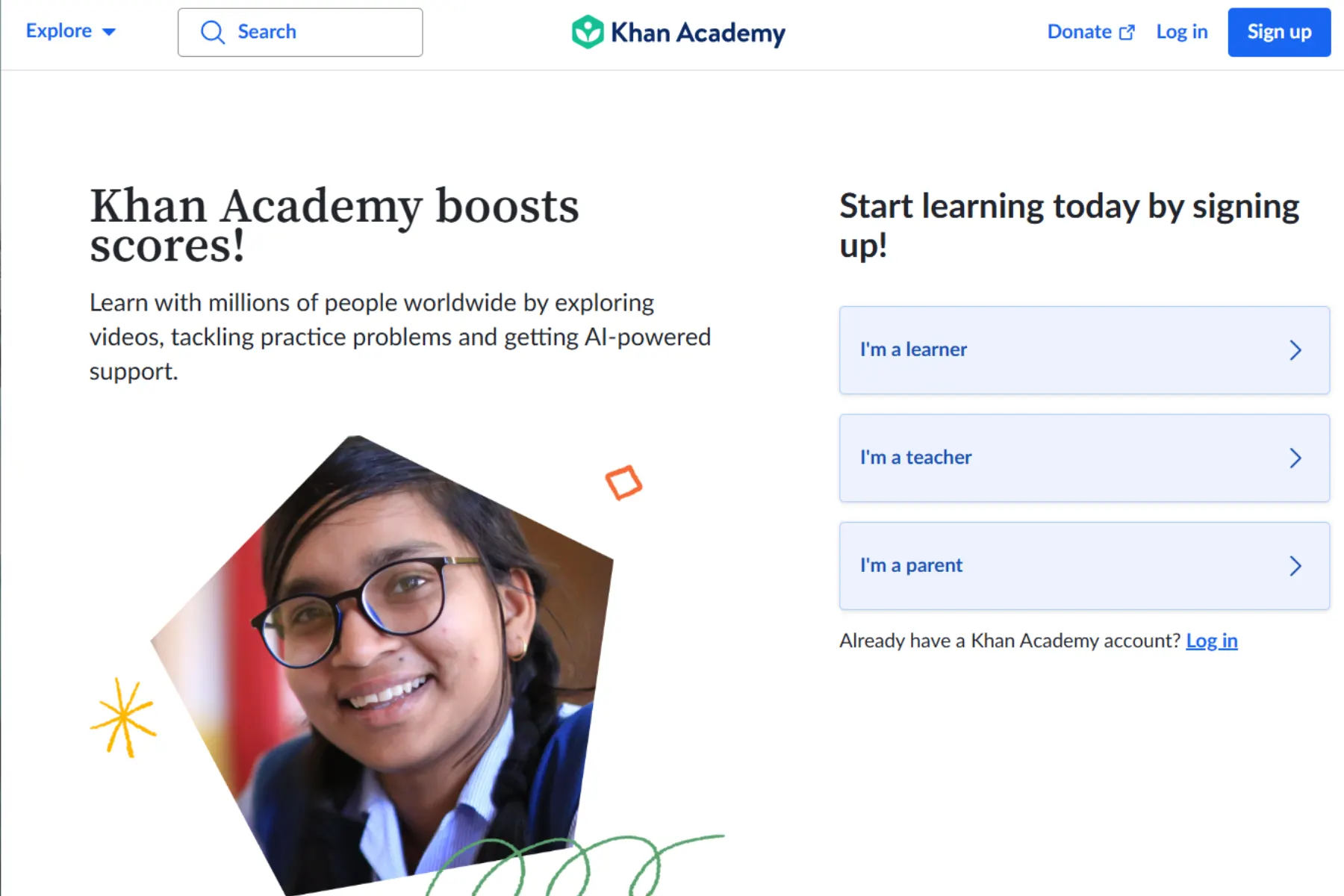
Khan Academy offers free online courses, practice exercises, and AI-powered learning tools for students, teachers, and parents.
Professor Leonard on YouTube
Professor Leonard is widely regarded as one of the best free resources for calculus, physics, and related subjects on YouTube. His lectures are long-form, structured, and taught in a classroom style that many students prefer over compressed MOOC videos. Pros: completely free, high-quality instruction, popular among college students for calculus and physics. Cons: no interactivity, no assignments, and no certificates. Best used as a free lecture replacement or supplement to a course.
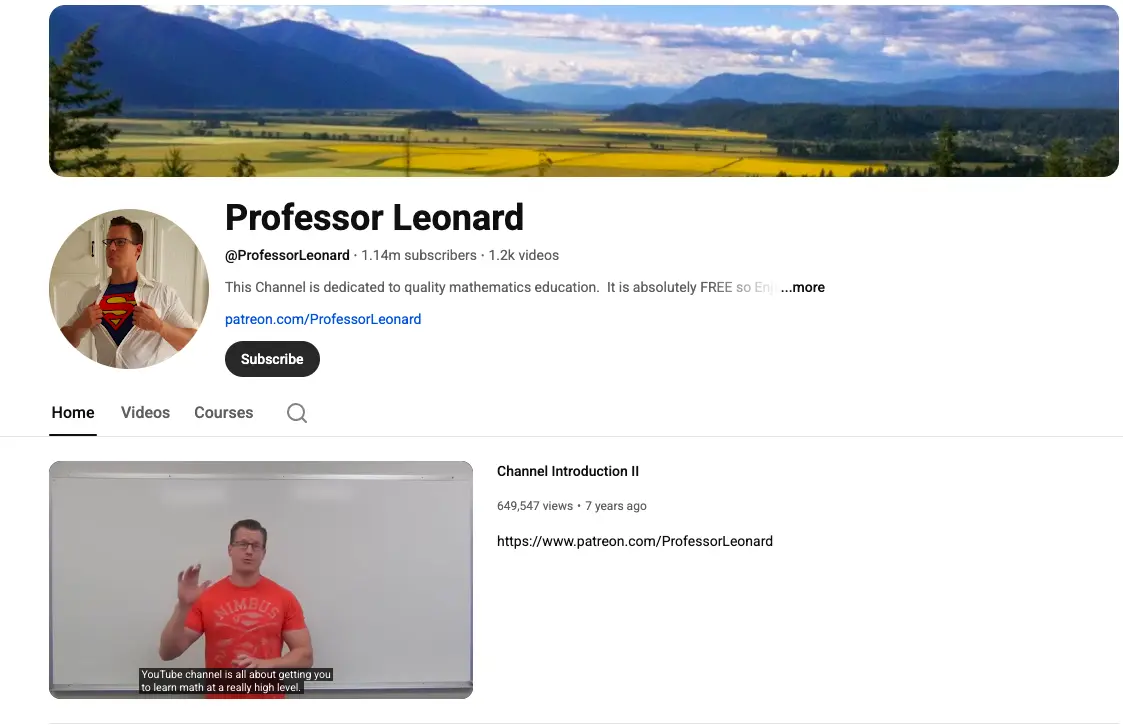
Professor Leonard’s YouTube channel offers free, high-quality mathematics lectures for students and self-learners worldwide.
Local Tutors / College Tutoring Centers
Many colleges offer free or subsidized tutoring through their academic support centers, which is worth exploring before spending money. Private local tutors vary widely in quality and price, typically running $30–$80/hour. Pros: in-person interaction, flexible scheduling, personalized help. Cons: quality is unpredictable, availability can be limited, and finding a strong Physics tutor locally can be difficult in smaller cities. For students in areas with limited local expertise, online options like My Physics Buddy offer the same personalization without the geographic constraint.
Udemy
Udemy offers a large catalog of self-paced courses often available for $10–$20 during frequent sales. Physics and calculus courses are available at varying quality levels. Pros: very affordable, lifetime access, large selection. Cons: anyone can publish a course so quality varies significantly, certificates are not institution-backed, and there is no live instruction. Udemy Physics courses are best for learners comfortable filtering reviews to find strong instructors.
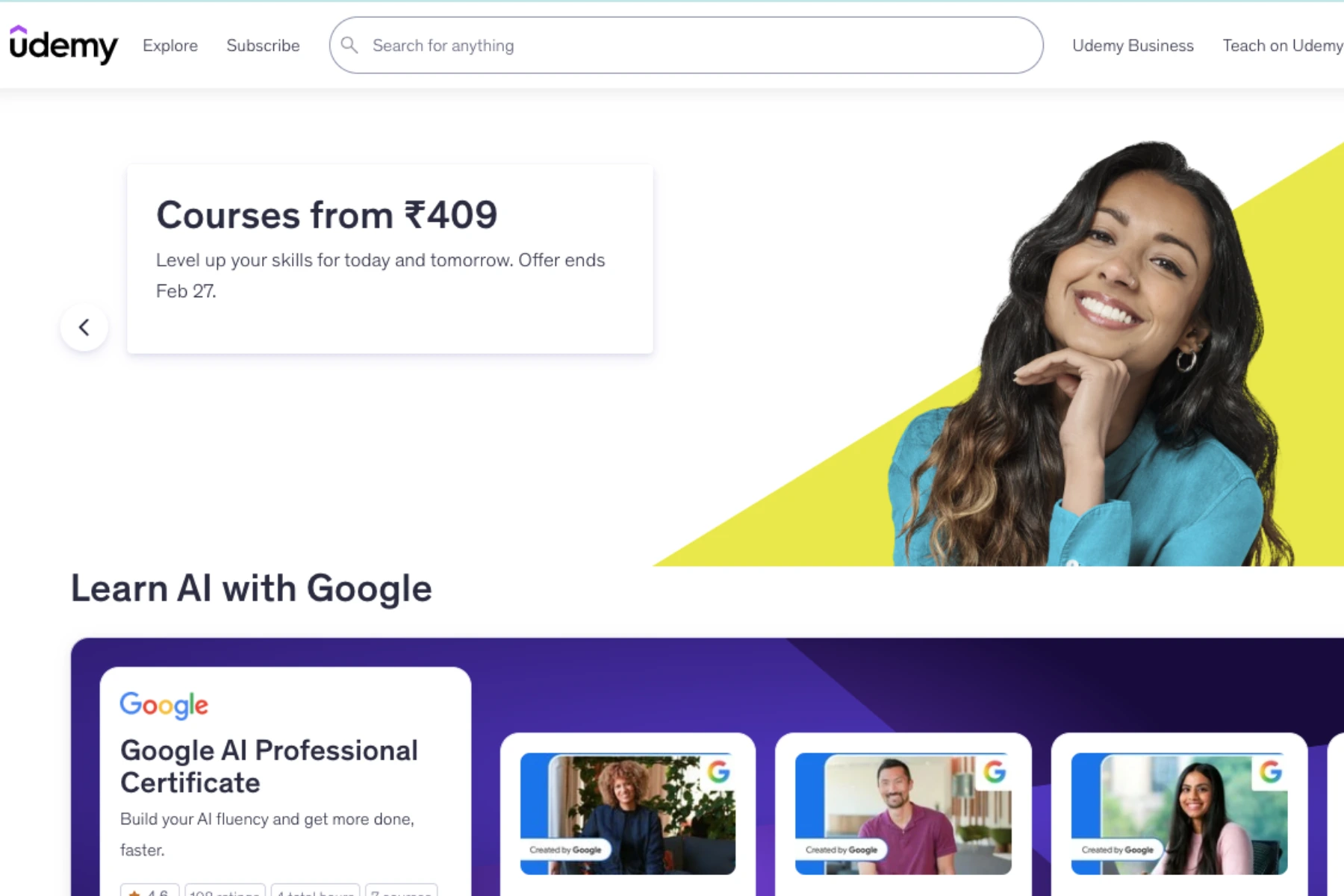
Udemy partners with Google to offer AI professional certificate courses designed to help learners build in-demand artificial intelligence skills online.
Winners
Quality of Tutors: My Physics Buddy (live, subject-specialist tutors for Physics and related subjects)
Pricing: Khan Academy (completely free)
Quality of Customer Care: My Physics Buddy (direct, responsive support channels)
Ease of Use: edX (clean interface, structured courses, easy enrollment)
How It Works
For Students
Getting started on edX is straightforward. Visit edX.org and create a free account. Browse the catalog by subject — Physics, calculus, engineering — and select a course. You can audit most courses for free, which gives you access to lecture videos and reading materials without paying. If you want graded assignments and a verified certificate, upgrade to the paid verified track at any point during the course. Most courses are self-paced, meaning you can start and stop at any time, though some follow a scheduled calendar with set assignment deadlines. The mobile app (rated 4.7 stars on iOS and Android) lets you study from any device. Discussion forums are available in most courses for peer interaction, though instructor responsiveness varies significantly by course. In 2026, edX also offers “Xpert” — an AI-powered learning assistant that helps learners navigate course content and get answers to questions.
For Tutors / Instructors
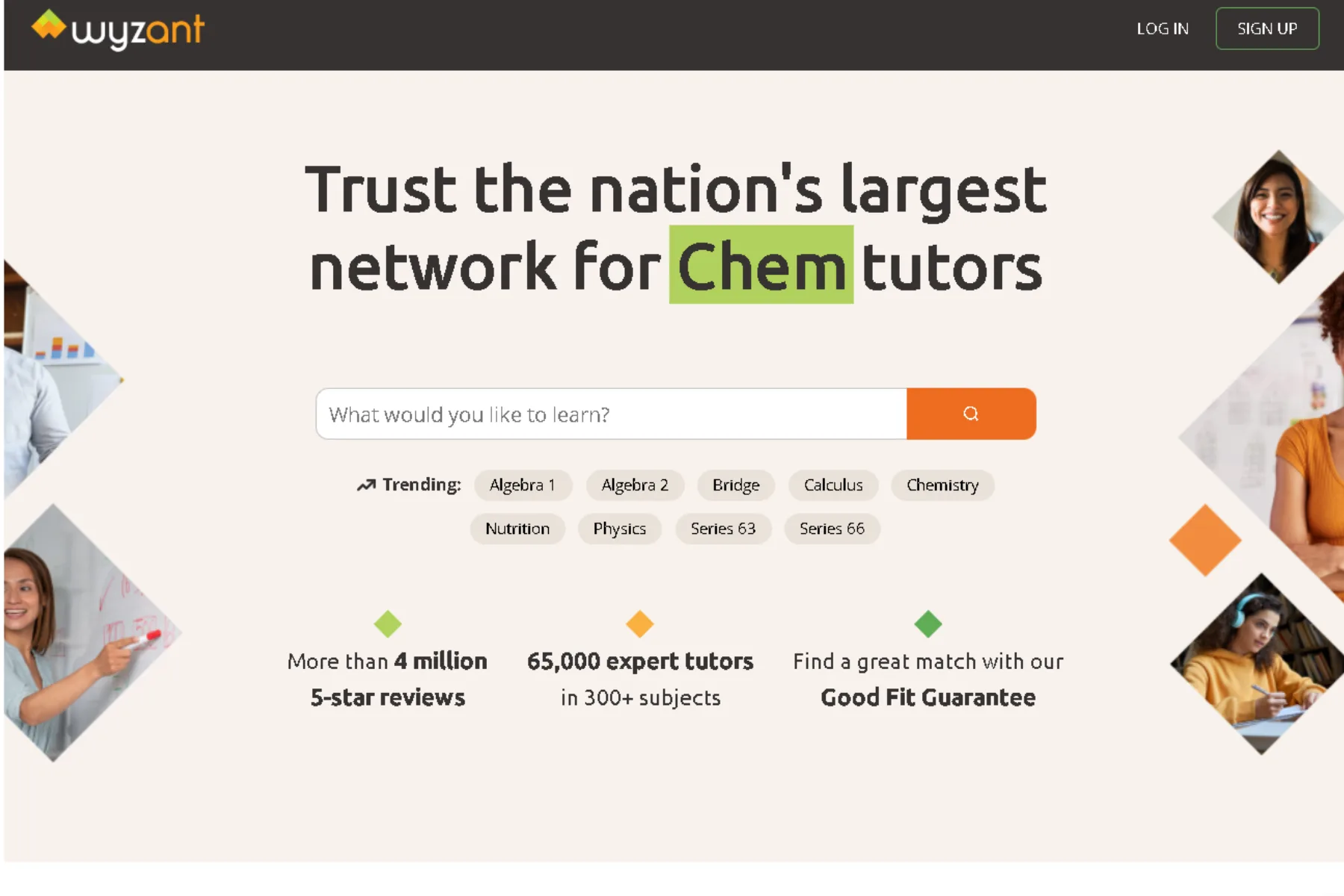
edX does not operate as a marketplace where individual tutors can sign up and teach. Instructors on edX are professors, researchers, and subject-matter experts formally affiliated with edX’s partner universities and organizations — such as MIT, Harvard, Berkeley, Microsoft, and IBM. Course creation is a formal partnership process initiated at the institutional level, not the individual level. If you are an educator at a partner institution, course development is handled collaboratively with edX’s content team. This institutional model ensures a baseline of academic quality but also means the platform is not open to independent tutors or freelance educators. For independent educators looking to teach Physics online, platforms like Wyzant or direct tutoring services are more appropriate entry points.
edX Company Information
edX was founded in May 2012 as a nonprofit joint initiative of MIT and Harvard University. The platform was built on the MITx initiative, created by Piotr Mitros, Rafael Reif, and Anant Agarwal in 2011. Agarwal served as edX’s founding CEO and directed its growth from a single MIT circuits course with 155,000 students into one of the world’s largest MOOC platforms. In June 2021, Harvard and MIT announced the sale of edX’s assets to 2U, Inc. for $800 million — a move that converted edX from a nonprofit into a for-profit public benefit corporation under 2U’s ownership. The acquisition was completed in November 2021, per the official edX press release. Agarwal joined 2U as Chief Open Education Officer. In July 2024, 2U filed for Chapter 11 bankruptcy to restructure over $450 million in debt while continuing operations.
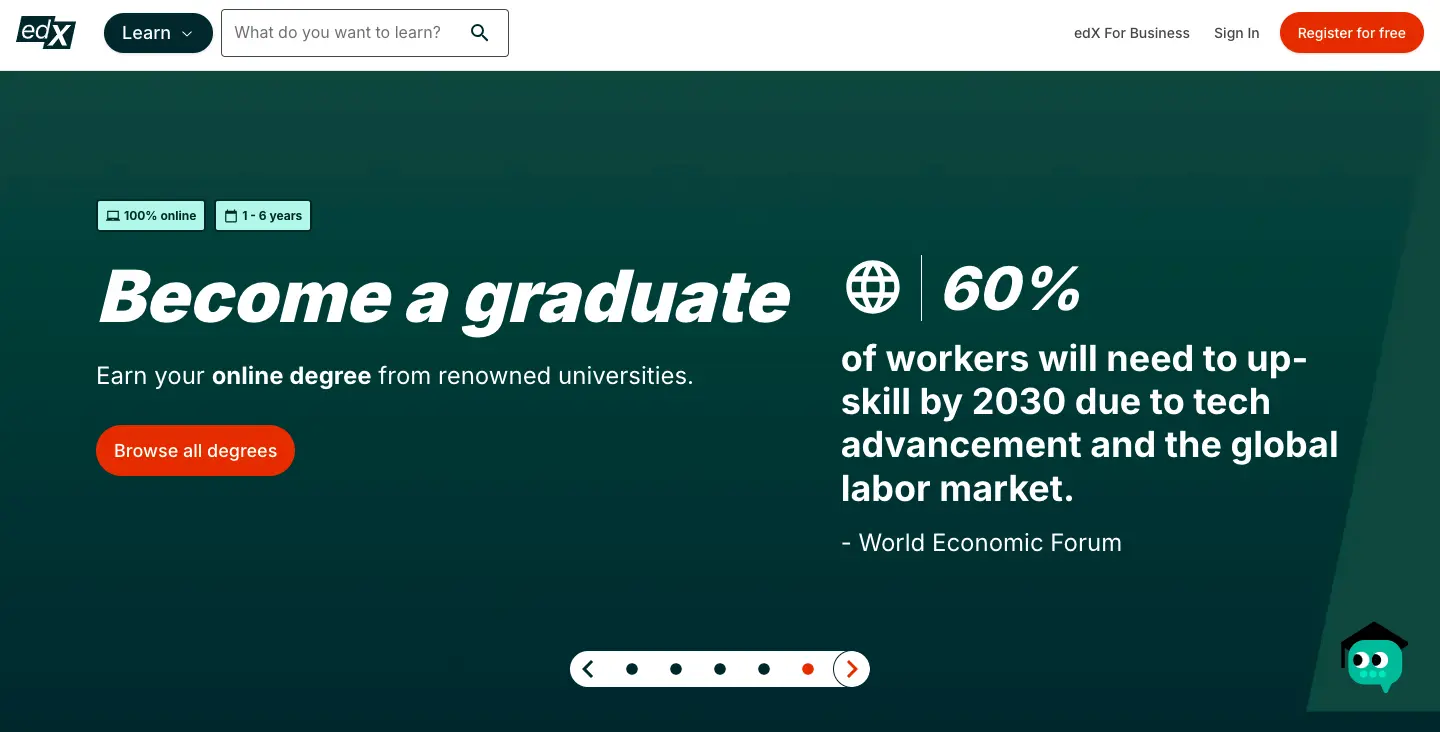
edX offers fully online degree programs from renowned universities, helping learners upskill for the future workforce.
As of the latest publicly available data, edX serves approximately 96 million registered learners and partners with 250+ institutions including 19 of the top 20 globally ranked universities. It offers 4,200+ courses, certificates, MicroMasters, and degree programs across subjects including Physics, engineering, math, computer science, and business. The platform is headquartered in Cambridge, Massachusetts.
USP and Drawbacks: edX’s primary differentiator is institutional credibility — courses taught by actual faculty from MIT, Harvard, Oxford, and others. The free audit model also lowers the barrier to entry significantly. Key drawbacks include poor customer support (consistently flagged in Trustpilot reviews), outdated content in some courses, and the ongoing uncertainty around 2U’s post-bankruptcy future. The shift from nonprofit to for-profit has raised concerns among some academics about the platform’s original access-focused mission.
Customer Support & Global Reach: edX support operates primarily via email and a help center. User feedback consistently rates support as slow and unhelpful in resolving specific course issues. The platform is available globally and supports multiple languages. It is accessible on all major devices via browser and a dedicated app.
“There is an urgent need across society to make learning affordable, accessible and equitable — for all learners, at every stage of life.”
— Chip Paucek, 2U Co-Founder and CEO, via edX press release
Future Plans & AI Integration: edX has made significant investments in AI both as course content and as a platform feature. The “Xpert” tool — built using OpenAI’s API — functions as an AI-powered academic assistant to help learners navigate content and get quick answers. AI enrollments on edX grew 54% year-over-year in 2023, and executive education AI programs saw a 424% jump in the same period, per the edX innovation press release. New AI-focused programs with top universities like Oxford continue to be added. However, edX’s use of AI is primarily aimed at course delivery efficiency and learner navigation — not at replacing the human instruction gap for students who need live, personalized help with Physics problems.
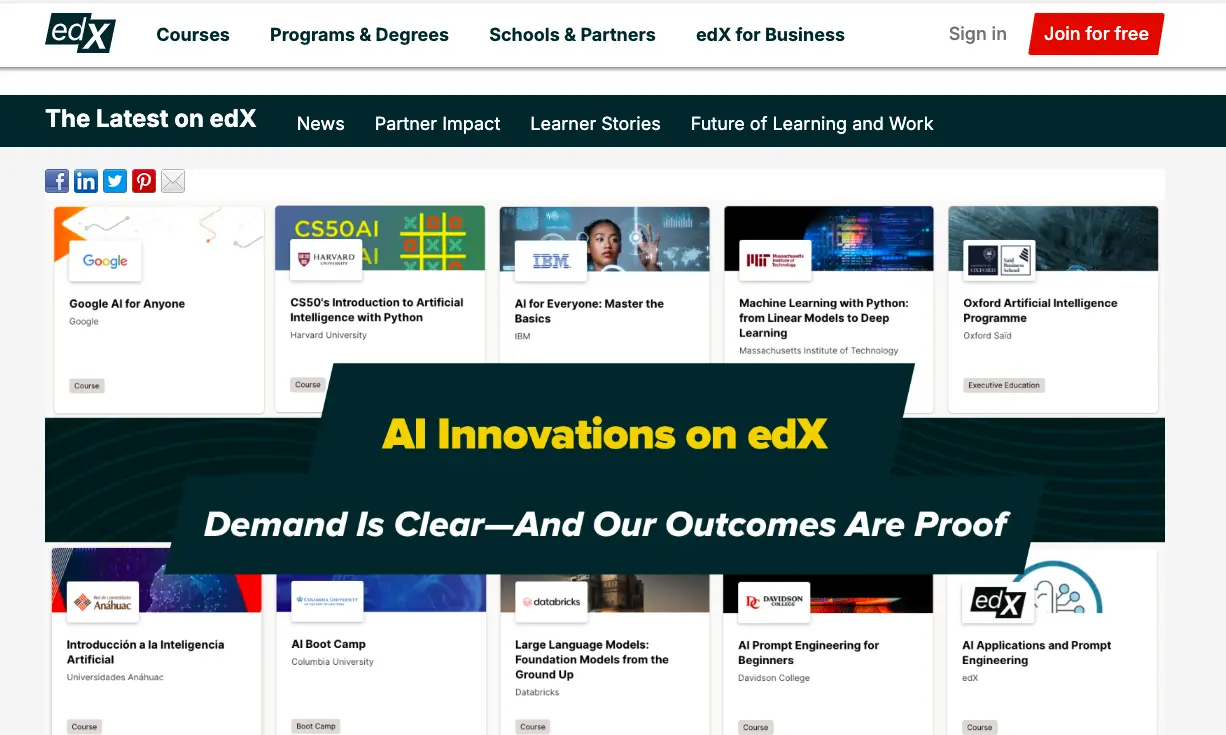
edX highlights its latest AI innovations with a range of courses from leading institutions like Harvard, IBM, MIT, and Oxford.
“2U and edX were remarkable in our respective areas. But together, we are unbeatable, a mission-driven multiplier of human potential.”
— Anant Agarwal, edX Founder, via PR Newswire
FAQs
Is edX good for learning Physics online?
edX offers 300+ Physics-related courses from universities like MIT and Delft. They cover mechanics, quantum physics, and electromagnetism. However, edX provides pre-recorded lectures, not live tutoring, which limits personalized help for struggling students.
How much does edX cost for Physics courses in 2026?
Most edX Physics courses can be audited for free. A verified certificate costs $50–$300 per course. Professional Certificate Programs run $550–$1,500. Full degree programs start around $10,000, per edX’s official pricing page.
Is edX legit and are its certificates recognized by employers?
Yes, edX is a legitimate platform founded by MIT and Harvard. Its certificates, issued by partner universities, are recognized by major employers. However, smaller professional certificates may carry less weight than a full degree credential.
What are the best edX alternatives for Physics tutoring?
For live 1:1 Physics help, My Physics Buddy is a strong alternative. For free self-study, Khan Academy and Professor Leonard on YouTube are excellent. Coursera offers similar MOOC-style courses with a subscription option.
Does edX offer live tutoring or homework help for Physics?
No. edX does not offer live 1:1 tutoring. All instruction is through pre-recorded video lectures and discussion forums. Students who need real-time help with Physics problems or homework should consider a dedicated tutoring service like My Physics Buddy.
Conclusion
edX is a credible and widely used platform for structured, self-paced online learning — especially for students who want university-brand credentials in Physics, engineering, and related subjects. Its free audit model lowers the cost barrier, and the quality of content from partner institutions like MIT is genuinely strong. That said, edX’s low Trustpilot ratings, inconsistent customer support, and ongoing questions about 2U’s financial stability are real concerns in 2026. Physics instructors on edX are university professors, not 1:1 tutors — meaning the platform works best for disciplined self-learners, not students who need targeted, personalized help. For those who need live help with Physics homework, exam prep, or specific concepts, a platform like My Physics Buddy fills the gap edX cannot.
This article is based on publicly available data, reviews, and official sources, last verified in 2026. My Physics Buddy is listed as an alternative and reviewed using the same criteria as competitors.
Disclaimer: This article provides general educational guidance only. It is NOT official exam policy, professional academic advice, or guaranteed results. Always verify information with your school, official exam boards (College Board, Cambridge, IB), or qualified professionals before making decisions. Read Full Policies & Disclaimer , Contact Us To Report An Error.

By Ashish PM