Nearpod Reviews, Pricing & Best Alternatives (For Physics) in 2026
A classroom tool, not a tutor marketplace.
By Ashish PM
| Published on March 6, 2026

Reviewed By Pankaj Kumar
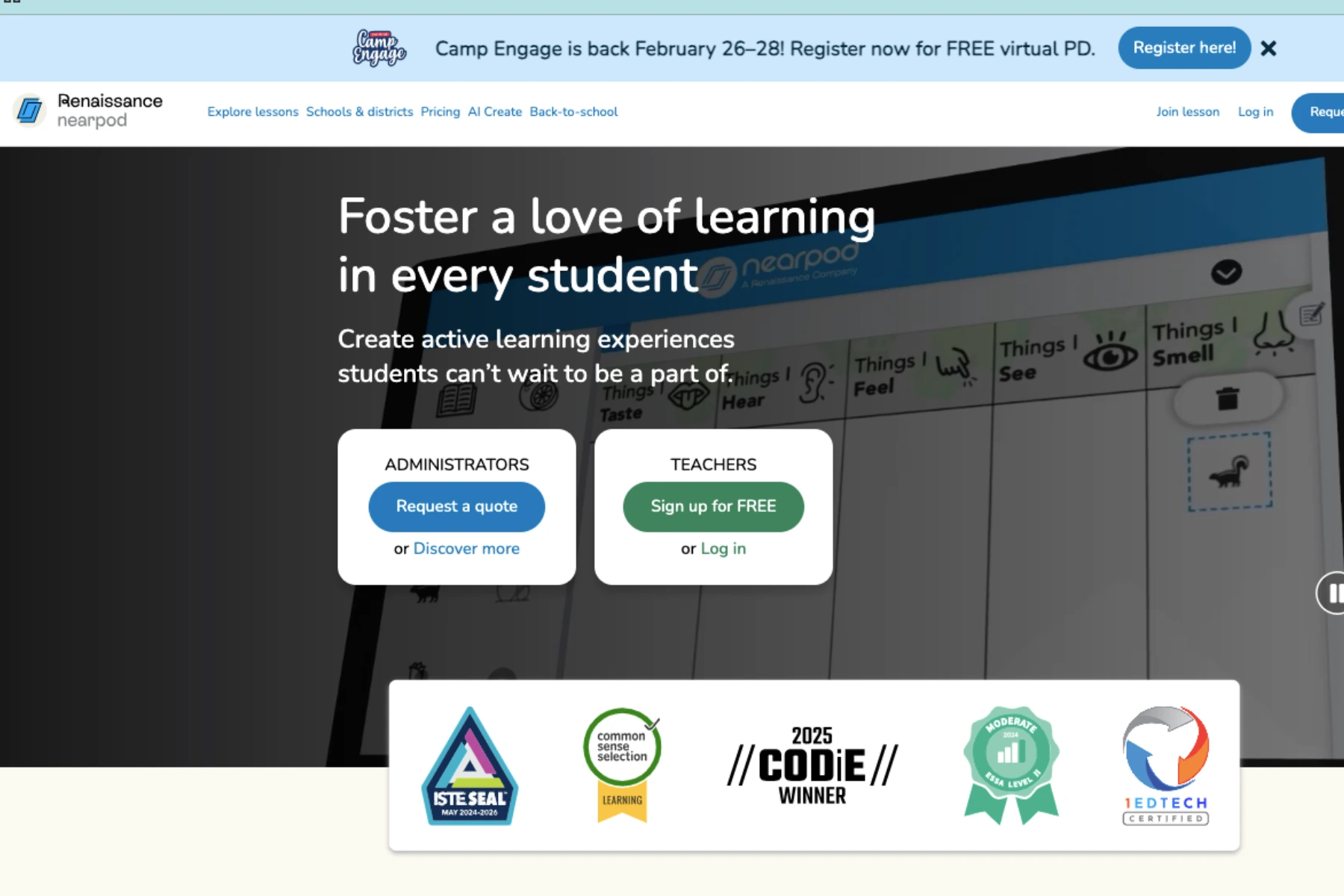
Nearpod is an interactive lesson platform used by teachers to run live or self-paced lessons.
This article shares fact-checked insights for students and parents comparing tools for Physics and related subjects, including clear “Nearpod alternatives” and a “Nearpod vs My Physics Buddy” lens.
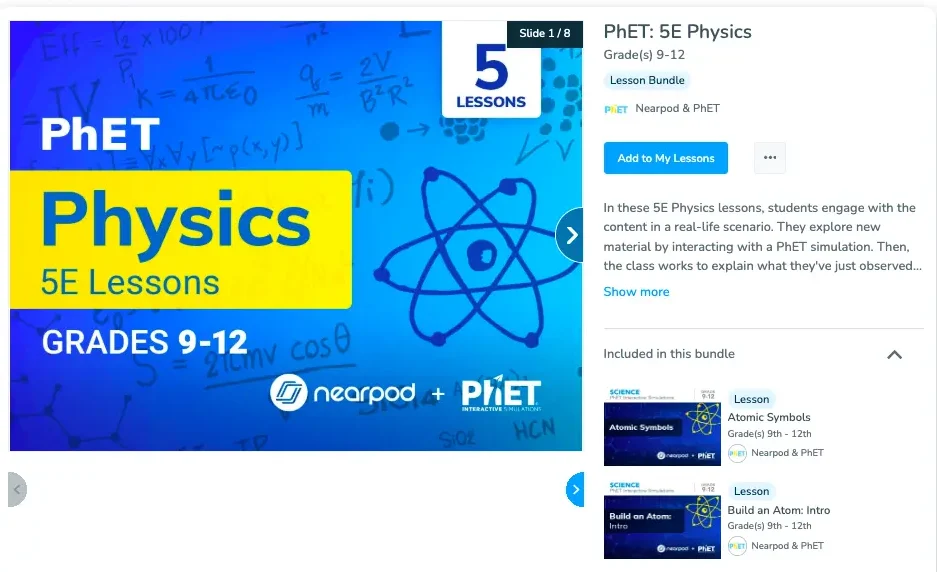
Nearpod and PhET interactive physics lessons designed for grades 9–12, helping students explore scientific concepts through simulations and structured 5E learning.
Important fit check:
Nearpod is a classroom instruction tool, not a 1:1 Physics tutoring marketplace, as described in Tech & Learning’s overview of Nearpod.
Source: Guido Kovalskys (Nearpod CEO & co-founder) quoted on Nearpod’s LinkedIn post.
Reviews & User Feedback for Nearpod in 2026
Public “Nearpod reviews” appear on major software review sites like Nearpod on G2, catalog-style listings like Nearpod on Capterra, and enterprise review portals like Nearpod on TrustRadius. Employee sentiment also shows up on Nearpod on Glassdoor. Overall, reviewers often praise engagement features and reporting, while critiques tend to focus on classroom workflow and price-value fit.
Physics tutor quality note: Nearpod does not sell Physics tutoring sessions. So review sites do not rate “Physics tutors.” For Physics learning support, the product value comes from interactive lesson elements (like simulations and media) that teachers embed into lessons. Nearpod highlights hands-on options such as VR and PhET simulations on its Interactive Slides feature page.
G2
G2 shows Nearpod at 4.6/5 with 121 reviews (at the time of verification). Reviewers often describe strong engagement tools, interactive checks for understanding, and classroom pacing support. See the consolidated “pros and cons” view on Nearpod reviews on G2.
Some users also flag student onboarding friction in certain settings (for example, confusion around joining lessons). One example appears on a paginated review view at Nearpod G2 reviews (page view).
Physics tutors & services focus: G2 feedback mostly reflects teachers using Nearpod as an instructional tool. It does not evaluate Physics tutor credentials. For Physics, the best fit is structured practice, in-lesson questions, and teacher-led walkthroughs rather than tutor matching.
Capterra
Capterra reports an overall rating of 4.7/5 based on 171 reviews (at the time of verification) on Nearpod reviews on Capterra.
Reviews commonly mention ease-of-use, interactive lesson delivery, and student engagement. Critiques vary by classroom setup and expectations.
Physics tutors & services focus: Capterra feedback is about platform features, not tutor quality. If you need step-by-step Physics problem solving, you typically pair Nearpod with a teacher, TA, or separate tutoring service.
TrustRadius
TrustRadius lists Nearpod with a score of 8.9/10 based on 33 reviews and ratings on Nearpod reviews on TrustRadius.
Reviewers often highlight live presentation control, analytics, and interactive activities. It reads more like an edtech software evaluation than a tutoring review.
Physics tutors & services focus: TrustRadius reviews do not address Physics tutor matching. For Physics support, Nearpod is best used to deliver concept checks, quick quizzes, and simulation-based demos during instruction.
Trustpilot
Trustpilot shows a smaller review sample for nearpod.com: 2.5/5 with 6 reviews at the time of verification on nearPod.com reviews on Trustpilot.
With low review volume, treat this as directional, not definitive. Still, it can surface edge-case frustrations that do not always appear on educator-heavy software review sites.
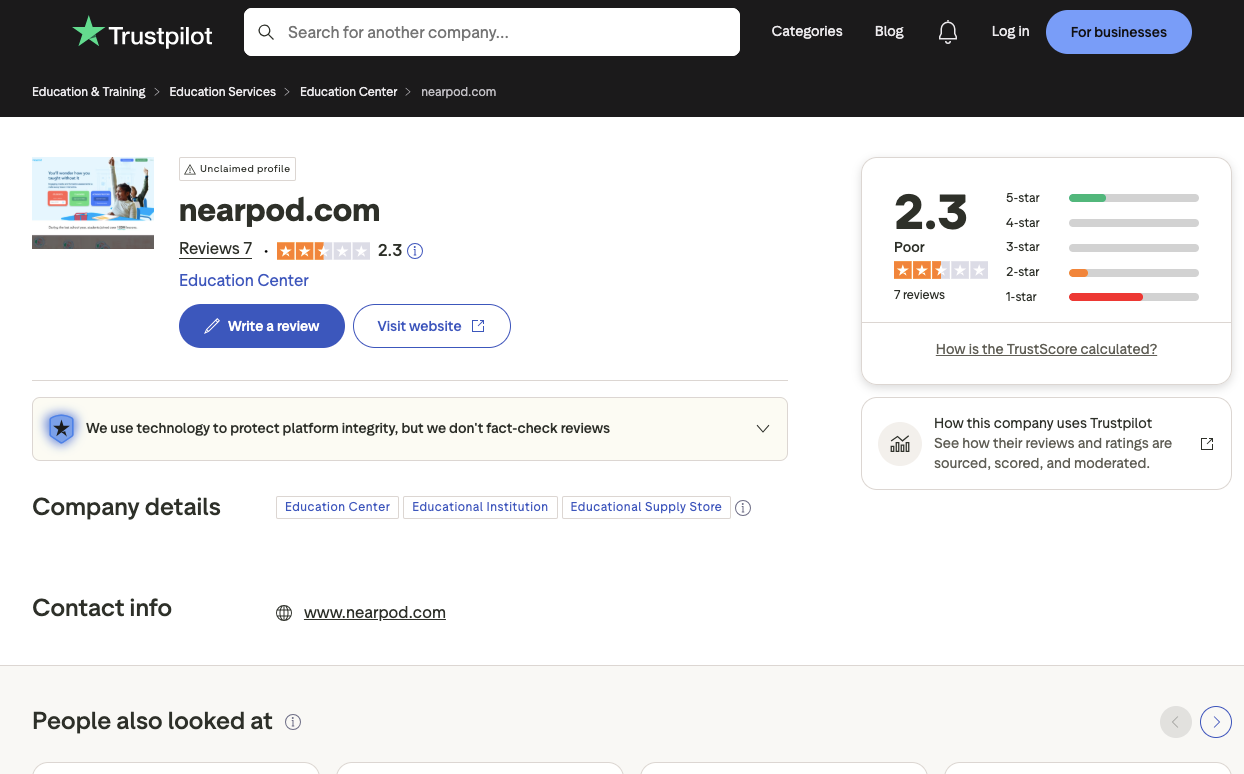
Trustpilot page displaying user reviews and ratings for Nearpod, an interactive classroom learning platform used by educators.
Physics tutors & services focus: Trustpilot does not provide tutor-quality insight. It is more about customer experience and expectations.
Glassdoor (Employee Reviews)
Glassdoor shows an employee rating of 4.5/5 based on 151 reviews (at the time of verification) on Nearpod employee reviews on Glassdoor.
Employee reviews can hint at internal execution strength (product development, support culture), but they do not directly measure student outcomes.
Physics tutors & services focus: Glassdoor reviews do not assess instructional quality in Physics. They are useful only as an indirect trust signal about the organization behind the product.
To check “Is Nearpod legit,” public evidence shows it is part of a larger education company ecosystem and has documented corporate milestones. EdSurge reported Renaissance’s agreement to acquire Nearpod in an all-cash deal, providing third-party coverage of the transaction. See EdSurge’s report on the Renaissance–Nearpod acquisition. PRWeb later stated the acquisition was completed, which is a second independent publication channel for the event: PRWeb’s note on acquisition completion. Nearpod also positions itself inside the Renaissance ecosystem on its onboarding page: Nearpod’s “Renaissance Next” page.
Is Nearpod legit?
Based on publicly available acquisition records and official ecosystem positioning, Nearpod appears legitimate as an established edtech product. It is not a tutoring marketplace, so legitimacy does not equal “tutor quality” for Physics.
Nearpod Pricing, Refunds & Policies in 2026
Pricing structure: Nearpod lists a free Silver plan ($0), plus paid upgrades for individual educators (Gold $159/year, Platinum $397/year). Schools and districts are asked to request a quote. Plan details, storage limits, and student-join caps appear on Nearpod’s official pricing page.
User feedback on pricing: Public reviews include mixed price-value sentiment. Some reviewers call subscriptions “steep,” while others say the feature set can justify the cost for regular classroom use. See pricing-related comments within Nearpod reviews on Capterra (US).
Trials: Nearpod markets a free entry point via its Silver license, which is meant to let teachers start without payment. Nearpod’s own blog states that Nearpod is free and highlights Silver as the free license. See Nearpod’s explanation of its free account. “Trial” terms for paid plans vary by purchase path. Data not publicly available.
Refunds : Nearpod’s publicly posted terms describe paid accounts as prepaid and nonrefundable, with no refunds or credits for partially used periods. The same page also describes billing and renewal mechanics. See Nearpod’s Terms & Conditions page. Exception handling (if any) can depend on institution purchasing flows. Data not publicly available.
Hidden fees: Nearpod’s public pages clearly show list prices for individual educator plans, but institution pricing is quote-based. Extra costs like taxes, procurement paperwork, or payment processing conditions can vary by region and institution. If you need an all-in cost in advance, ask for a written quote and invoice breakdown. Data not publicly available for universal “hidden fee” rules.
Source: Verified reviewer excerpt on Capterra’s Nearpod listing (UK).
Alternatives to Nearpod
“Nearpod alternatives” depend on your goal. If you want interactive classroom delivery, tools like Pear Deck, Kahoot!, and Quizizz often come up. If you want help with Physics problem-solving, you may prefer 1:1 tutoring (like My Physics Buddy), or local options like campus tutoring centers. Many learners also use free study resources like YouTube and open course sites.
My Physics Buddy
My Physics Buddy focuses on personalized 1:1 online tutoring and homework help in Physics and closely related subjects. It fits students who want guided problem solving, targeted feedback, and pacing matched to their course.
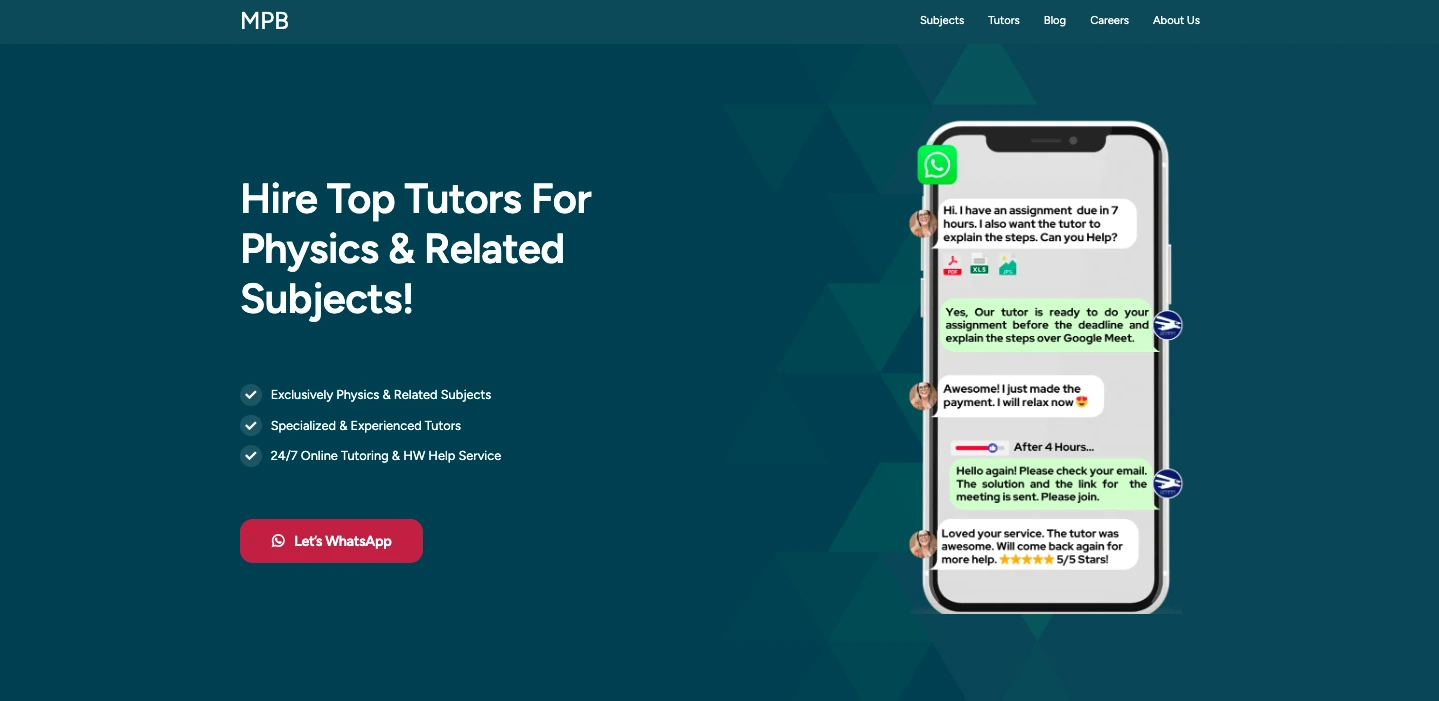
My Physics Buddy platform offering specialized physics tutoring, homework help, and 24/7 online support via WhatsApp.
Physics tutors & services focus: Unlike classroom presentation tools, My Physics Buddy centers on the tutor-student relationship. That makes it more relevant when you need help on mechanics, E&M, calculus-based Physics, or engineering mechanics assignments rather than whole-class engagement features.
Pear Deck
Pear Deck is commonly used for interactive slide-based instruction. It can work well for quick checks for understanding during STEM lectures, including Physics, especially when you already have slides and want live student responses.
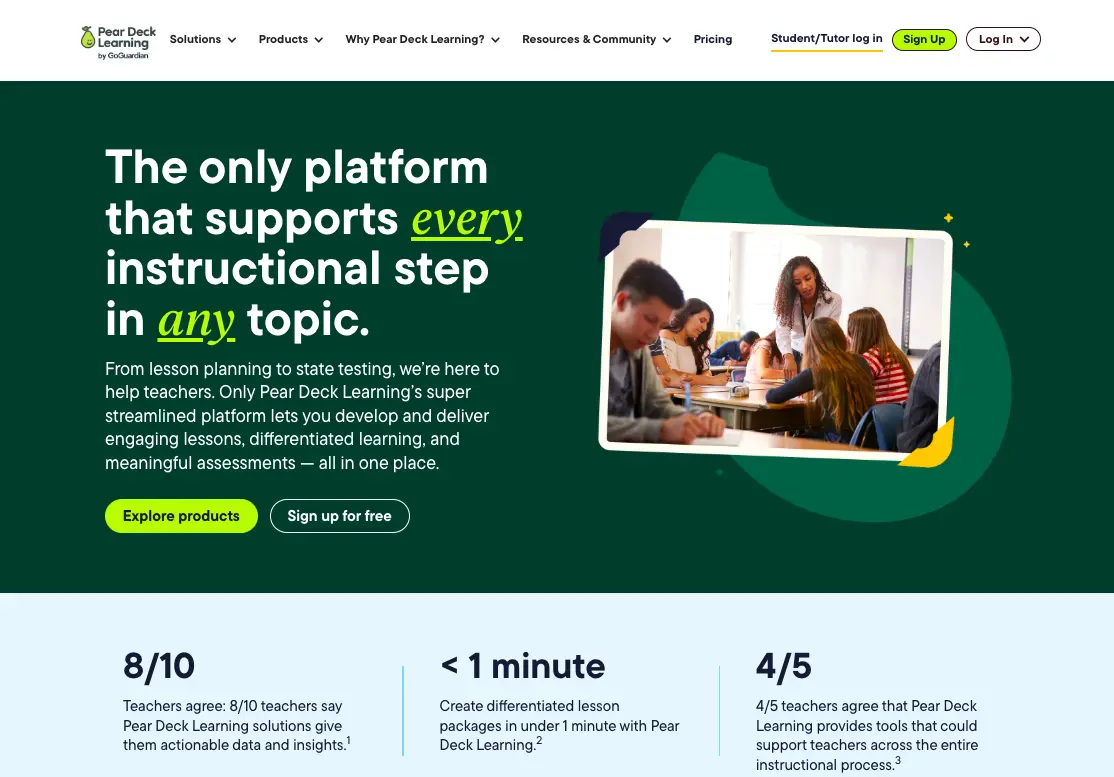
Pear Deck Learning provides teachers with tools for lesson planning, differentiated instruction, and meaningful student assessments within a single platform.
Physics tutors & services focus: Pear Deck is not a tutoring marketplace. It supports teacher-led Physics instruction and formative checks, but you bring your own instructor. Pair it with office hours, a TA, or 1:1 tutoring if you need deep problem walkthroughs.
Kahoot!
Kahoot! is a quiz and game-based learning tool. Many teachers use it for review sessions and exam prep. It can be helpful for Physics vocabulary, conceptual checks, and fast retrieval practice.
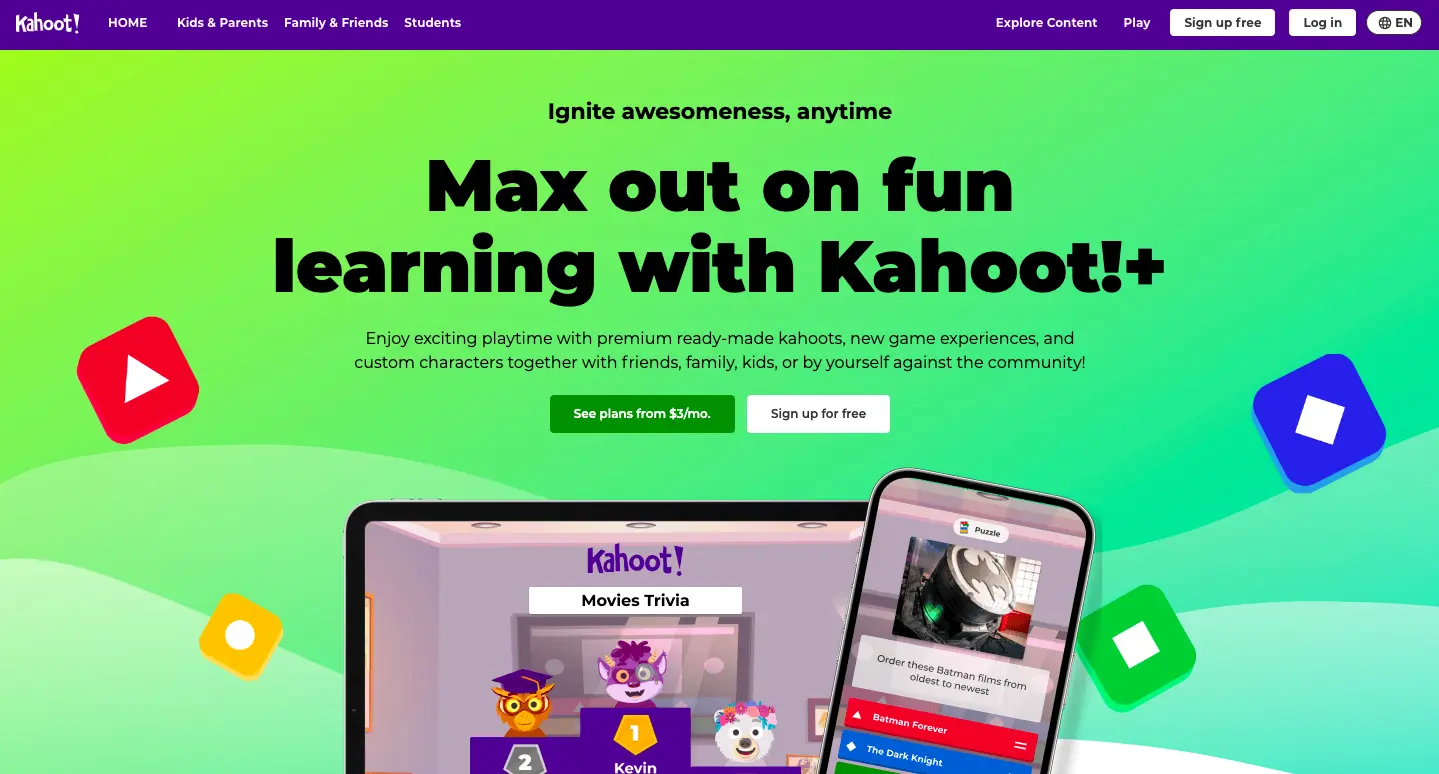
Kahoot+ offers interactive quiz-based learning games that make studying fun for students, families, and classrooms.
Physics tutors & services focus: Kahoot! does not provide tutors. It can sharpen recall and spot weak areas, but it will not replace a tutor when you need step-by-step derivations, multi-step problem solving, or lab report help.
Quizizz
Quizizz supports self-paced quizzes, homework-style practice, and classroom games. It can help Physics students get more reps with concepts and see immediate feedback in a structured format.
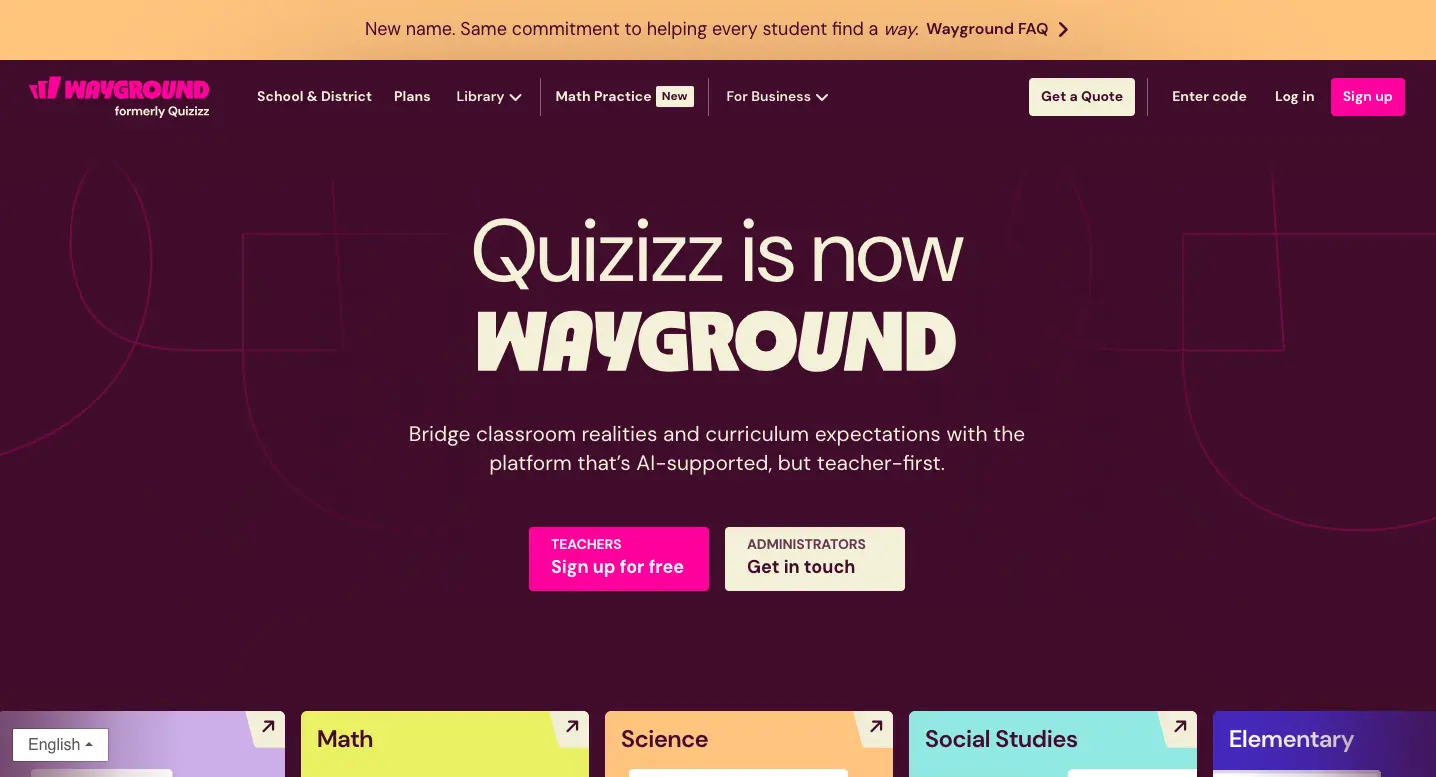
Wayground, formerly Quizizz, introduces an AI-supported learning platform designed to help teachers bridge curriculum goals and classroom learning.
Physics tutors & services focus: Quizizz is practice-first, not tutor-first. For students who get stuck, it helps to add human support (teacher, TA, study group, or a 1:1 tutor) so misunderstandings do not repeat across problem sets.
Local tutoring, office hours, and campus resources
Local tutors, professor office hours, and campus tutoring centers can be strong options for Physics. They help when you want in-person problem solving, lab support, or course-specific guidance. College libraries also support research skills for lab reports and projects.
Physics tutors & services focus: Quality varies by person and campus. Ask about the tutor’s experience with your exact course (algebra-based vs calculus-based Physics) and request a short diagnostic session. If scheduling is hard, consider online 1:1 tutoring as a backup.
MIT OpenCourseWare and YouTube learning
Free video lessons and open course sites can help you learn concepts at your own pace. MIT OpenCourseWare is a common starting point for college-level Physics lectures and problem sets.
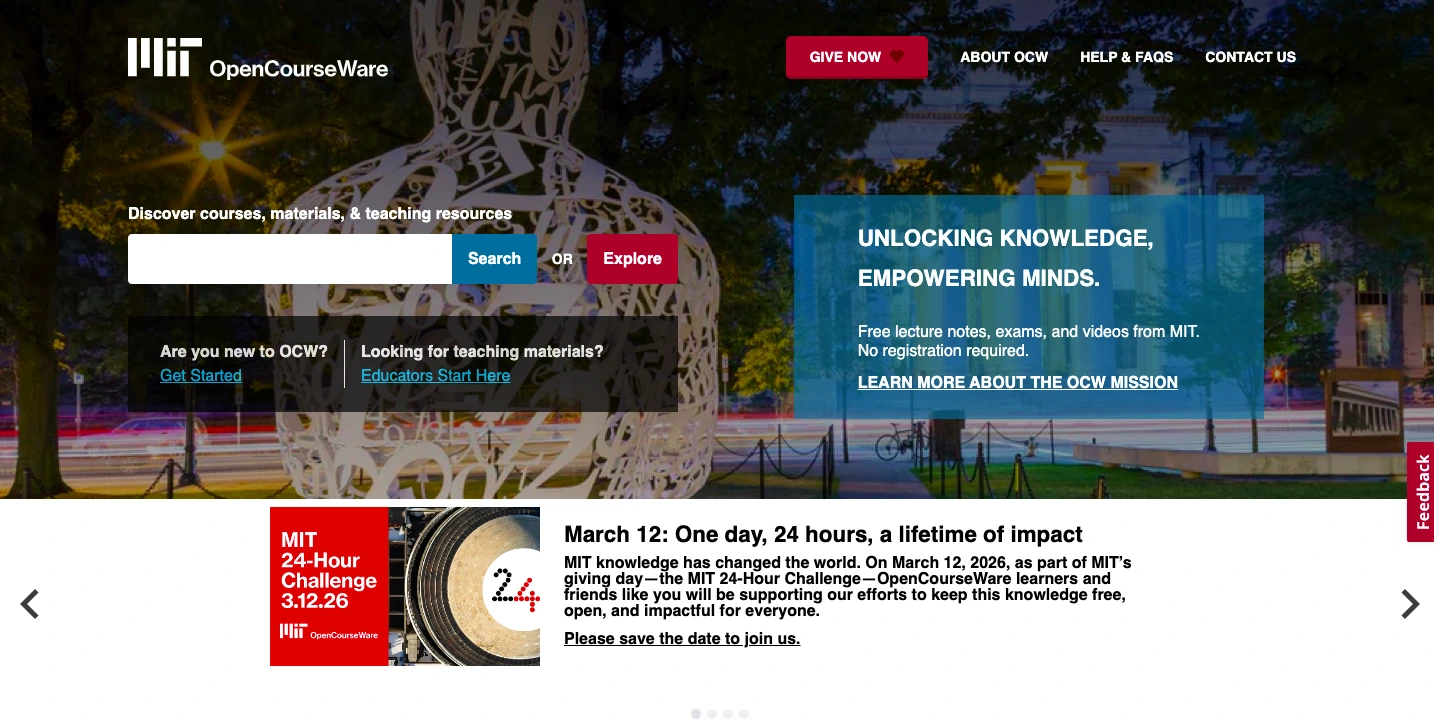
MIT OpenCourseWare provides free access to MIT course materials, including lecture notes, exams, and videos for learners worldwide.
Physics tutors & services focus: These resources do not adapt to you in real time. If you keep getting stuck on the same topic (like torque, Gauss’s law, or oscillations), a tutor can quickly correct misconceptions and show efficient problem approaches.
Winners
Quality of Tutors: My Physics Buddy
Pricing: Nearpod (Silver free plan)
Quality of Customer care: Data not publicly available
Ease of use: Nearpod
How It Works
For students
In 2026, most students join a Nearpod lesson using a teacher-shared code or link. Students open the Nearpod site or app, enter the code, and then respond to questions, polls, and activities during the lesson. Teachers may run live sessions or assign self-paced work. Steps and classroom routines are described in Nearpod’s guide on how students use Nearpod.
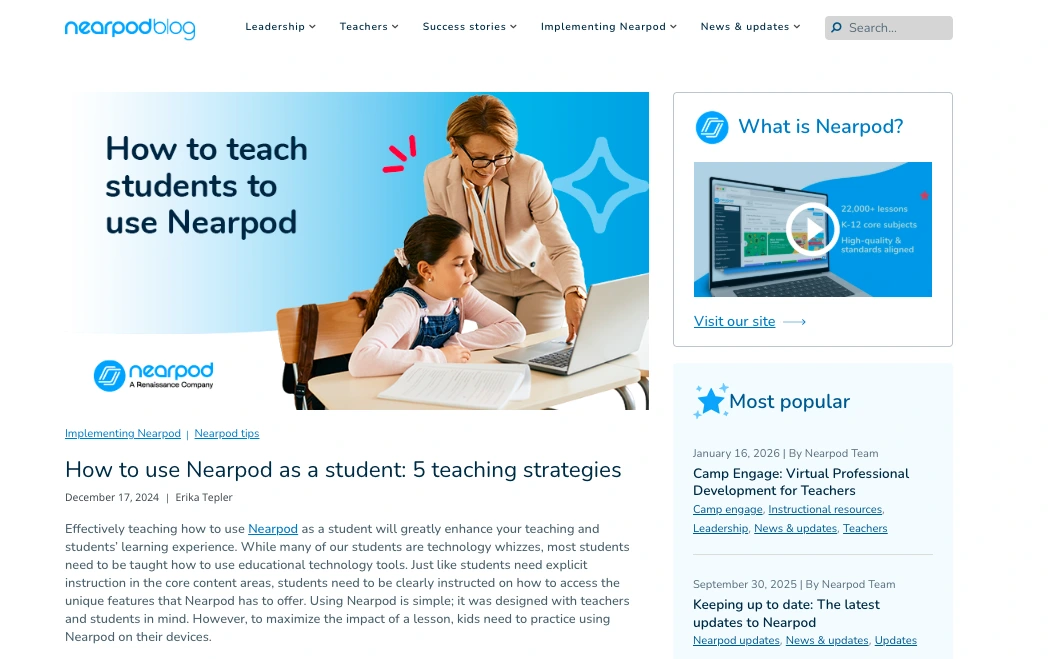
A Nearpod blog guide explaining how teachers can help students learn to use the Nearpod platform through effective classroom strategies.
For tutors
Nearpod is built for teachers and instructors, not tutor marketplaces. Instructors create or upload lesson materials, then add interactive elements like quizzes, open-ended questions, and media. They can run the lesson live or assign student-paced mode for homework. Nearpod’s workflow is outlined in Nearpod’s lesson-creation tips.
Nearpod Company Information
Background, founders, mission, scale: Public reporting states Nearpod was founded in 2012 by Felipe Sommer, Emiliano Abramzon, and Guido Kovalskys, and was later acquired by Renaissance. See the founder and acquisition summary in Endeavor Miami’s Nearpod acquisition post. Founder profiles include Felipe Sommer, Emiliano Abramzon, and Guido Kovalskys. Nearpod’s mission framing appears on its team page: Nearpod “About Us”. For scale, Nearpod’s careers page claims usage by over 1.7 million educators worldwide: Nearpod Careers. Renaissance also published an official statement about the combination: Renaissance press release on Nearpod.
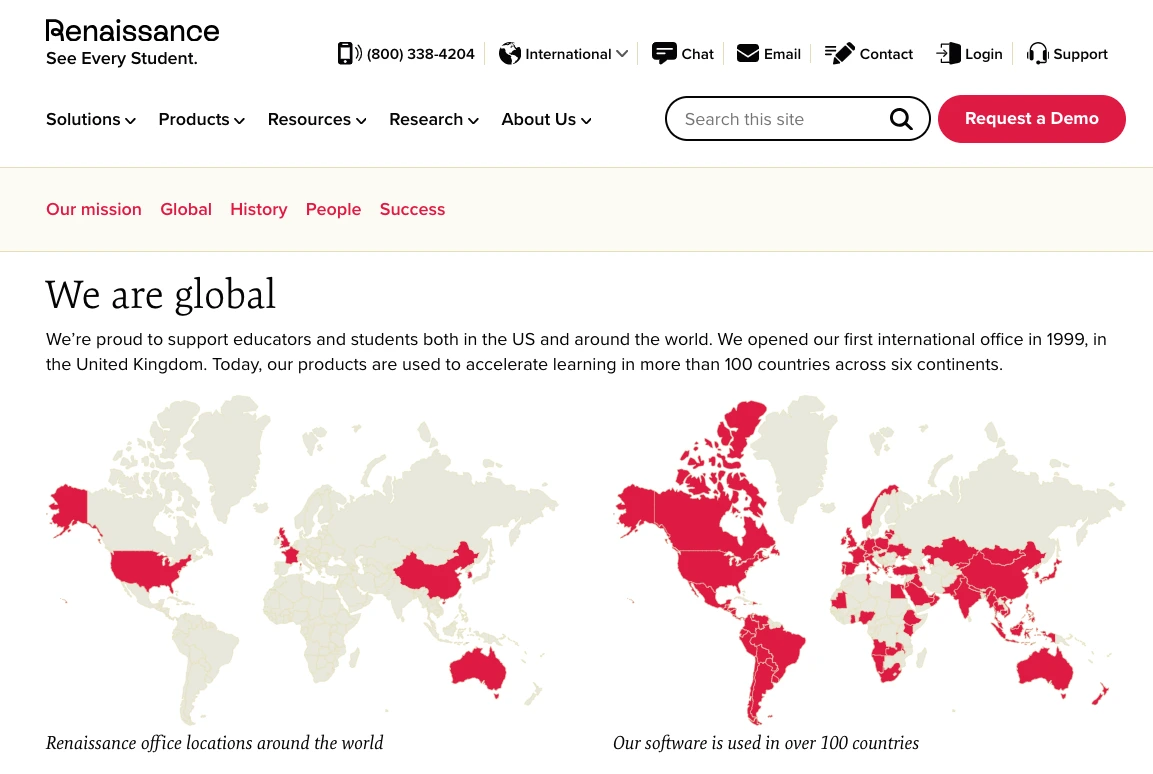
Map illustrating Renaissance’s global presence, including international office locations and the use of its education software in over 100 countries.
Misc (USP, drawbacks, support, global reach): Nearpod positions itself for international use across schools, colleges, and universities on Nearpod International. It also offers webinars and tutorials for educators via Nearpod Resources. For integrations and support-related workflow examples, Nearpod documents Zoom integration and support pathways at Nearpod’s Zoom integration help article. Evidence-based drawbacks vary by classroom setup and expectations. Data not publicly available for a single, consistent drawback list.
Future Plans (AI): Nearpod publicly markets “AI Create” features meant to generate lessons and questions, and notes availability tied to certain license types. See Nearpod AI Create. Nearpod also shares guidance on using its AI lesson generator in the classroom on Nearpod’s AI lesson generator blog post.
FAQs
Does Nearpod offer 1:1 Physics tutoring sessions?
Nearpod focuses on delivering interactive lessons for instructor-led classes. It does not present itself as a tutor marketplace. See How Nearpod works.
What is Nearpod Gold pricing in 2026?
Nearpod’s blog states that Gold can be upgraded to for $159/year (USD). See Nearpod’s Gold overview post.
Do students need accounts to use Nearpod?
Nearpod states that students do not need accounts to access lessons and often join with a code. See Nearpod’s FAQ post.
Can Nearpod support Physics simulations like PhET?
Nearpod describes using PhET simulations inside Nearpod lessons for math and science exploration. See Nearpod’s PhET simulations guide.
Is Nearpod used in colleges and universities?
Nearpod markets a higher-education offering for colleges and universities. See Nearpod for Higher Education.
Conclusion
Nearpod can fit when a teacher wants interactive delivery, quick checks for understanding, and lesson pacing support. It is less direct for families seeking tutoring, because it does not match students to Physics tutors. In 2026, the best choice depends on whether you need classroom engagement tools or 1:1 problem solving.
Physics tutors & services focus: For Physics, Nearpod’s value shows up when teachers use science-forward interactive elements and activities. Nearpod’s own science teaching guidance highlights interactive approaches educators can embed into lessons on Nearpod’s science teaching tips. If you need personalized Physics help, consider a dedicated 1:1 option like My Physics Buddy or local tutoring support.
TRUST & TRANSPARENCY NOTE
This article is based on publicly available data, reviews, and official sources, last verified in 2026.
My Physics Buddy is listed as an alternative and reviewed using the same criteria as competitors.
Disclaimer: This article provides general educational guidance only. It is NOT official exam policy, professional academic advice, or guaranteed results. Always verify information with your school, official exam boards (College Board, Cambridge, IB), or qualified professionals before making decisions. Read Full Policies & Disclaimer , Contact Us To Report An Error.

By Ashish PM