Studocu Reviews, Pricing & Alternatives (For Physics) in 2026
Millions use it — but is a library of student notes enough when Physics gets hard?
By Ashish PM
| Published on March 18, 2026

Reviewed By Pankaj Kumar
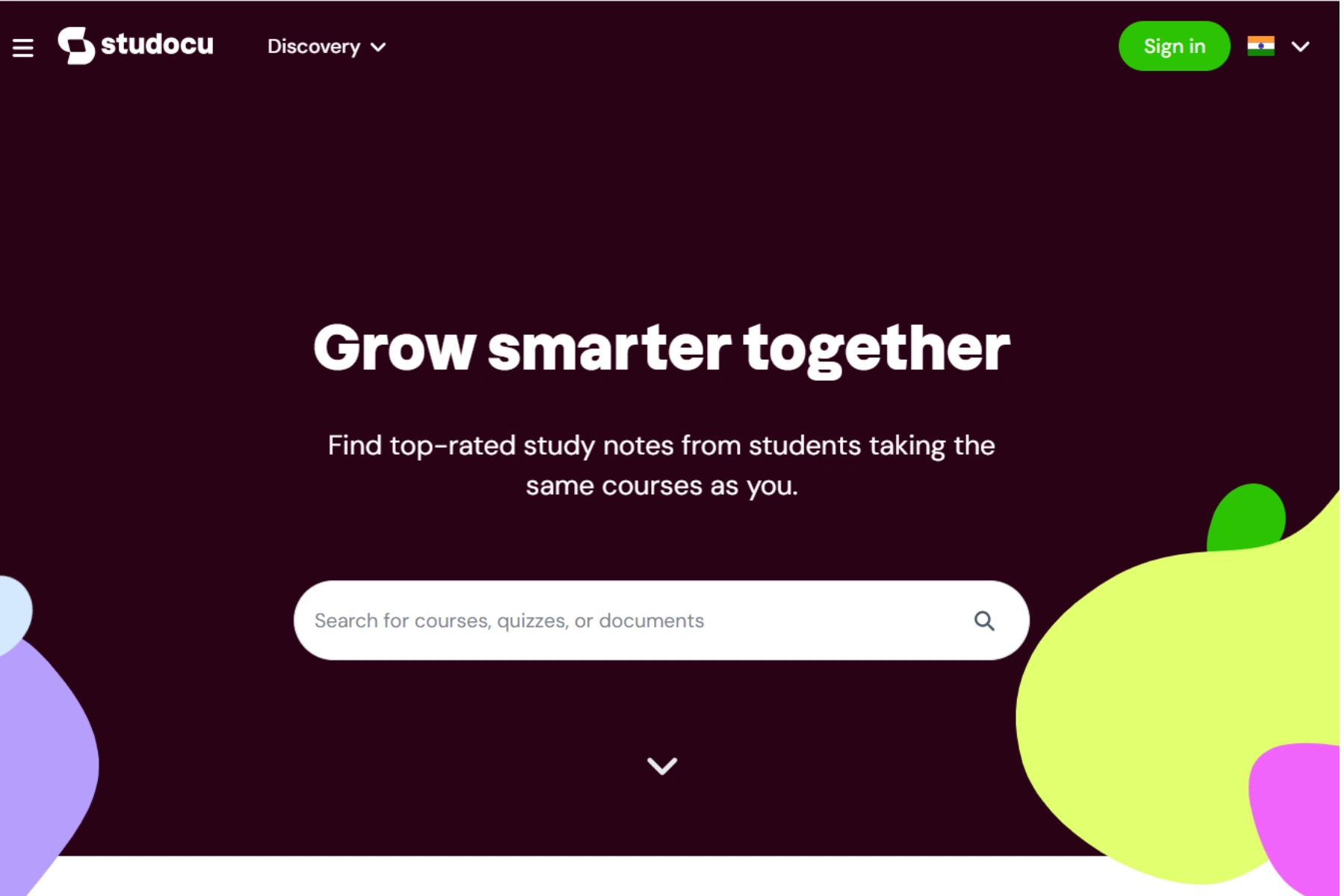
Studocu is a peer-to-peer study platform where students upload and share notes, summaries, and past exam papers. Founded in 2013, it has grown into one of the largest EdTech platforms in the world, serving over 60 million monthly users across more than 100 countries.
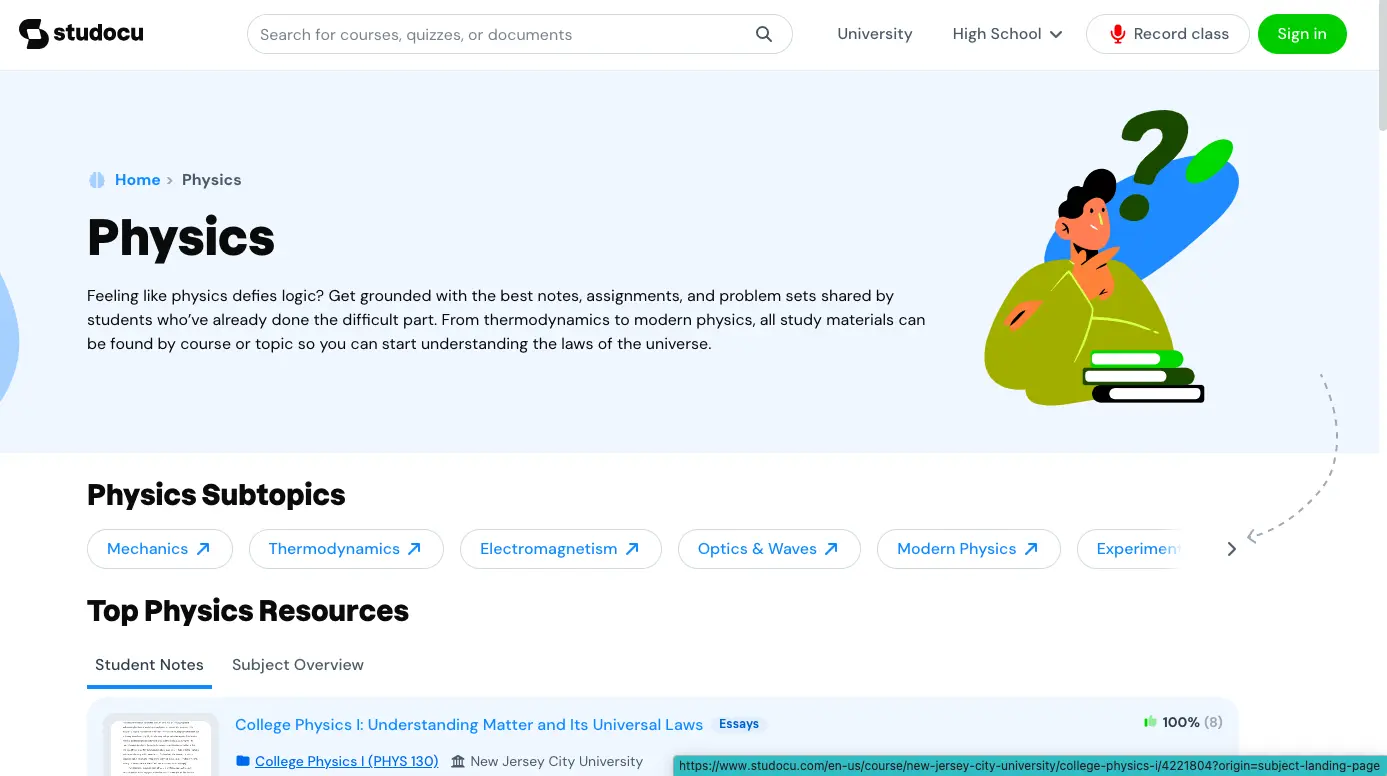
Explore physics topics and student resources on Studocu, including mechanics, thermodynamics, electromagnetism, and more.
This article takes a close look at Studocu’s reviews, pricing, how it works, and how it compares to other platforms — including live tutoring services — so that college students and parents can make an informed choice when seeking help with Physics, calculus, math, and related STEM subjects.
Reviews & User Feedback for Studocu in 2026
Across major review platforms, Studocu receives strong ratings on Trustpilot and G2, where users frequently praise the breadth of study materials and ease of use. Employee review platforms like Glassdoor paint a reasonably positive picture too. However, Sitejabber tells a sharply different story, with most complaints centred on billing practices and refund difficulties. Physics-specific content availability varies widely depending on the university — some courses are well-covered, others barely present at all. The platform has no vetted Physics tutors; content quality depends entirely on the students who uploaded it.
Trustpilot
Studocu holds a 4.2-star rating on Trustpilot based on over 10,275 reviews, according to Trustpilot’s listing for Studocu. This rating has been independently corroborated by tech publication Tech.eu, which noted that students consistently cite the quality of shared resources as a key factor in their academic success.
Positive reviews highlight easy navigation, a wide range of materials, and genuine time savings during exam prep. A common theme is the document-for-document upload model — free access in exchange for contributed notes — which many users find fair. Negative reviews focus heavily on unexpected subscription charges, difficulty cancelling, and refusal of refund requests even when usage was minimal.
For Physics specifically, reviewers note that the breadth of content varies. Students at large universities in the US, UK, and Europe are more likely to find well-organised Physics lecture notes and past papers. Students at smaller institutions may find little to no relevant material.
G2
On G2, Studocu holds an average rating of 4.4 out of 5, based on reviewer feedback indicating it is “very helpful” for accessing subject-specific study materials, as reported by My Engineering Buddy’s analysis. Reviewers on G2 praise the platform for making past papers and summaries more accessible.
Pros cited include a clean interface and course-specific organisation. Cons include the inconsistency of content quality and the absence of any instructor-led explanations, which is particularly relevant for complex subjects like Physics where conceptual understanding matters as much as the notes themselves.
Sitejabber
Studocu’s rating on Sitejabber is a stark contrast to Trustpilot — just 1.3 out of 5 stars from a small number of reviews, as documented on Sitejabber’s Studocu page. The complaints here are pointed: unexpected recurring charges, a subscription billing name that some users didn’t recognise on their bank statements, and a rigid refund policy that left users feeling stuck.
One reviewer described being charged for months they didn’t use the service and being told the charges were non-refundable. Another noted that most documents available on Studocu can be found for free elsewhere online. It is worth noting that Sitejabber’s sample size for Studocu is very small, which means these reviews may not represent the typical experience.
Glassdoor (Employee Reviews)
From an employee perspective, Studocu has an overall rating of 4.2 out of 5 on Glassdoor, based on 33 employee reviews, as seen on Glassdoor’s Studocu employer profile. About 61% of reviewers would recommend working there to a friend.
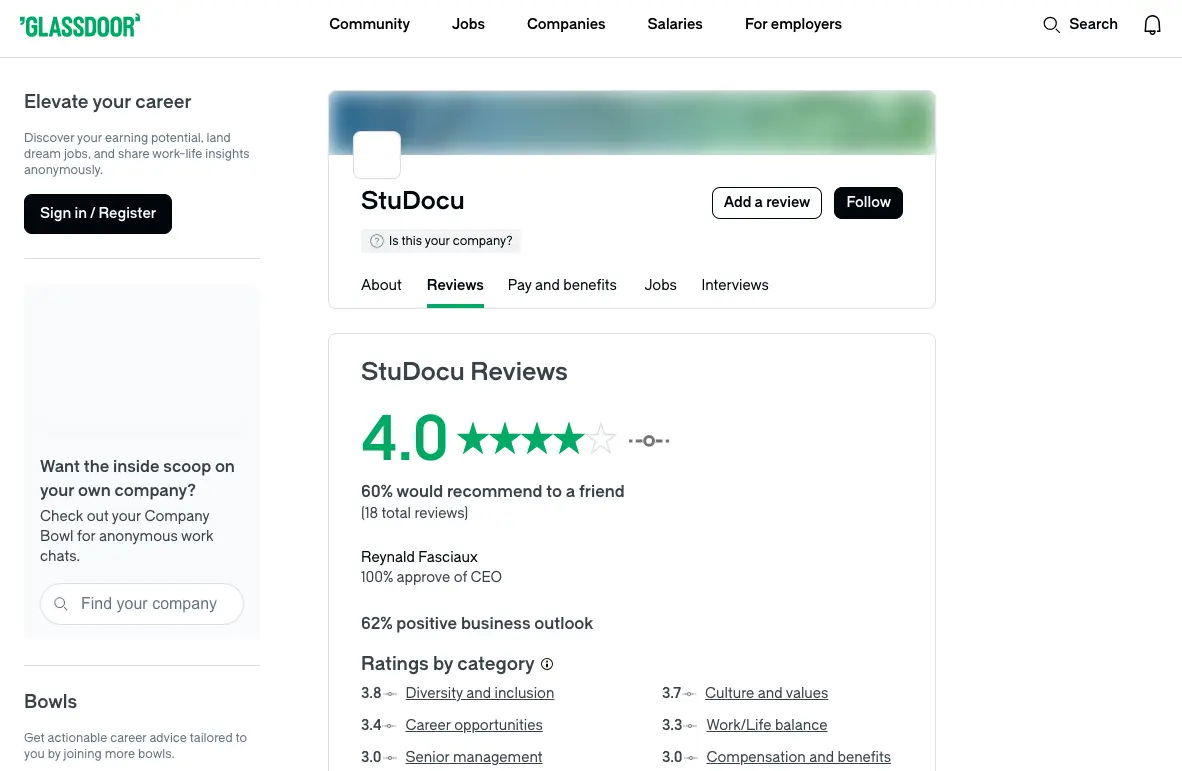
Glassdoor listing for StuDocu highlighting employee reviews, ratings, and workplace insights.
Employees describe a diverse, inclusive work culture with good learning opportunities. Common criticisms include management pressure tied to growth targets and compensation that some felt was below market rate. The relatively high employee rating suggests a reasonably healthy internal culture, even if compensation has been a sticking point.
Is Studocu Legit?
Yes, Studocu is a real and functioning service. It is a legally operating company registered in the Netherlands as StudeerSnel B.V., and has raised over $51.5 million in investor funding across multiple rounds, as confirmed by Tracxn and Crunchbase. It was also named one of TIME Magazine and Statista’s World’s Top EdTech Companies of 2025.
The billing complaints seen on Sitejabber and some Trustpilot reviews do not indicate fraud — they reflect a strict auto-renewal and refund policy that users sometimes encounter unexpectedly. Studocu’s own refund help pages confirm the policy: full refunds are only available if no Premium content was accessed after payment, and partial refunds apply only to annual subscribers.
Is Studocu legit?
Yes. Studocu is a legitimate, investor-backed EdTech company serving over 60 million students monthly. The platform delivers what it promises — access to peer-uploaded study materials. The most common complaints relate to its strict billing and refund practices, not to fraud.
Studocu Pricing, Refunds & Policies in 2026
Studocu uses a subscription model with two paid tiers: a quarterly plan at approximately $35.97 every three months (around $12/month), and an annual plan at approximately $83.88 per year (around $7/month), as reported in multiple third-party analyses. Pricing varies by country. There is no true month-to-month plan. Free access is possible by uploading your own study documents in exchange for download credits.
User sentiment on pricing is generally positive when comparing Studocu to competitors like Course Hero, which charges around $39.95 for a single month of access. Many students on Trustpilot describe Studocu as affordable and reasonably priced for the volume of content available. However, some users on forums like NoCramming’s forum noted frustration about the subscription commitment, especially when content quality turned out to be inconsistent for their specific course.
Free Trial
Studocu offers a free trial for new users. However, the trial is available only once per account. When the trial ends, it automatically converts to a paid subscription unless cancelled. As Studocu’s own help centre states, if a user has already accessed the trial period in the past, they cannot use it again. This auto-conversion has been the source of a significant number of billing complaints on review platforms.
Refunds
Studocu’s refund policy is strict. According to their official refund policy page, a full refund is only available if no Premium features were used after payment. Annual subscribers may be eligible for a partial refund. Quarterly subscribers who have used the service are generally not eligible for any refund. Multiple Trustpilot reviewers report being denied refunds even after accidentally forgetting to cancel in time. One reviewer described being charged for an annual subscription without a prior reminder, and being refused despite not having accessed any documents — though Studocu’s support team did respond publicly on Trustpilot acknowledging the issue.
Hidden Fees
There are no separate registration or download fees beyond the subscription price itself. However, the auto-renewal mechanism — combined with the difficulty some users report when trying to cancel — is the primary concern. Studocu discloses this policy in its terms of service, but the practical experience of cancellation has been frustrating for some users. As noted in one Trustpilot complaint, Studocu’s billing descriptor on bank statements can appear under a name that is not immediately recognisable, which has caused confusion. This is not a hidden fee but is worth knowing before subscribing.
Alternatives to Studocu
Studocu is a document-sharing platform, not a tutoring service. Students who need more than notes — particularly those struggling with Physics problem-solving — often need a different kind of help. Below is a practical overview of the main alternatives, from dedicated tutoring platforms to free community resources, so students and parents can weigh their options clearly.
My Physics Buddy
My Physics Buddy offers personalised 1:1 online tutoring and homework help in Physics and closely related subjects like calculus, engineering mechanics, and mathematics. Rather than a library of peer-uploaded notes, it provides real-time interaction with qualified tutors who can explain concepts, walk through problem sets step-by-step, and adapt to a student’s specific course and level. It serves students globally in developed countries.
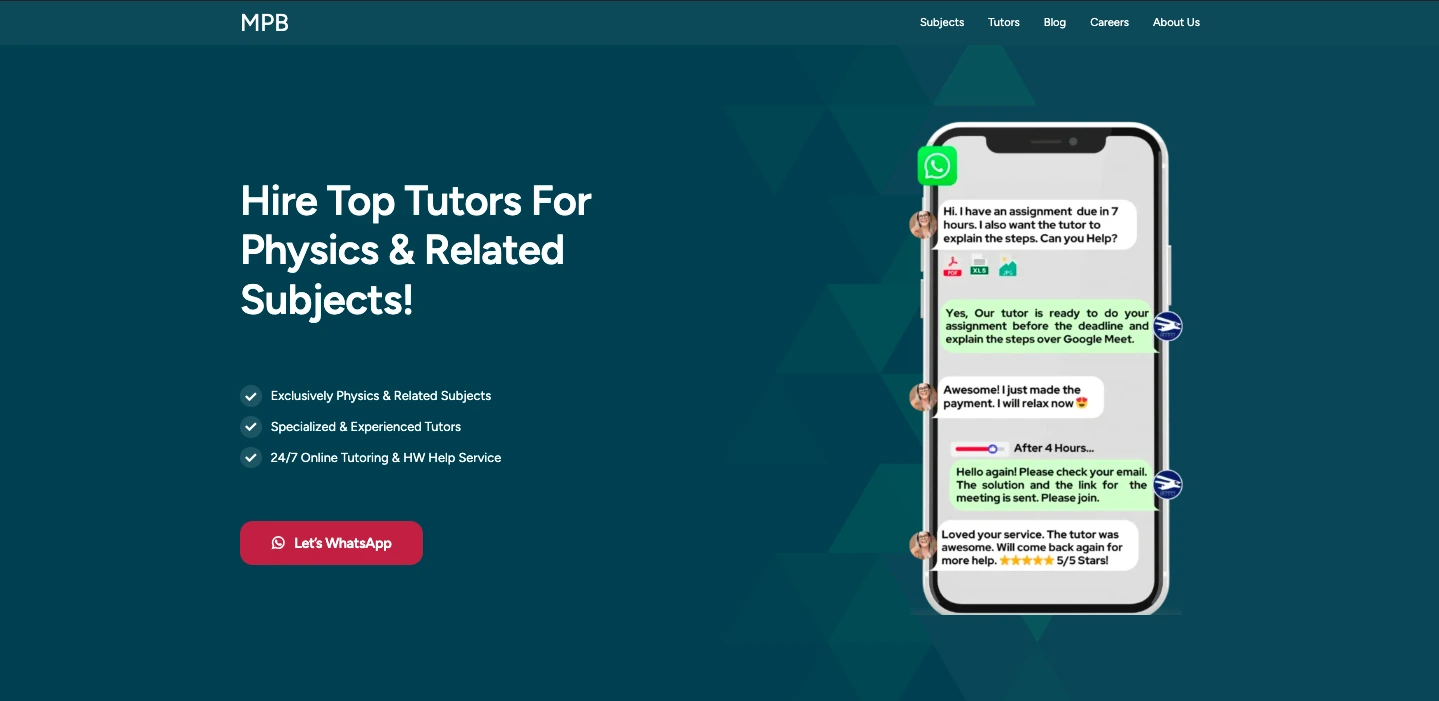
My Physics Buddy offers expert online physics tutoring with 24/7 homework help and quick support via WhatsApp.
The key difference from Studocu is the human element. A student stuck on a specific Physics derivation or lab report can get a clear, personalised explanation rather than hoping the right document exists in a database. For students who need targeted, conceptual understanding rather than just supplementary notes, My Physics Buddy is a meaningfully different kind of resource.
Course Hero
Course Hero is one of the largest study resource platforms, with over 30 million documents. Like Studocu, it operates as a peer-uploaded content library. Its Physics materials are extensive, particularly for popular US university courses.
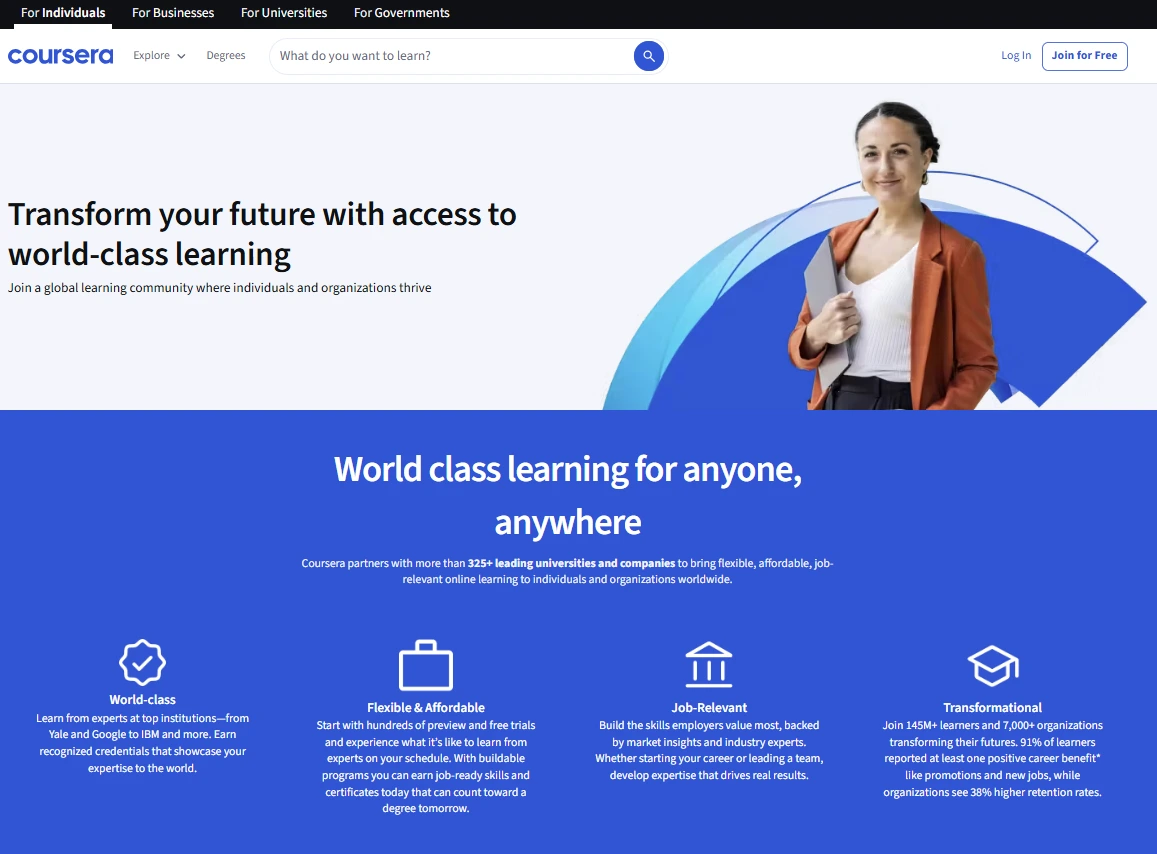
Coursera promotes world-class, flexible online learning with courses from universities and companies, focused on job-relevant skills and recognized credentials.
The main drawback is cost — Course Hero’s subscription starts at around $39.95 per month, making it significantly more expensive than Studocu. It also offers tutoring through expert Q&A features, though responses may not always be instant. For students who need both notes and occasional expert answers, it is a more comprehensive but pricier option than Studocu.
Khan Academy
Khan Academy is a completely free, non-profit platform with high-quality video lessons covering Physics, calculus, and mathematics at high school and introductory college level. The content is professionally produced and well-organised by topic.
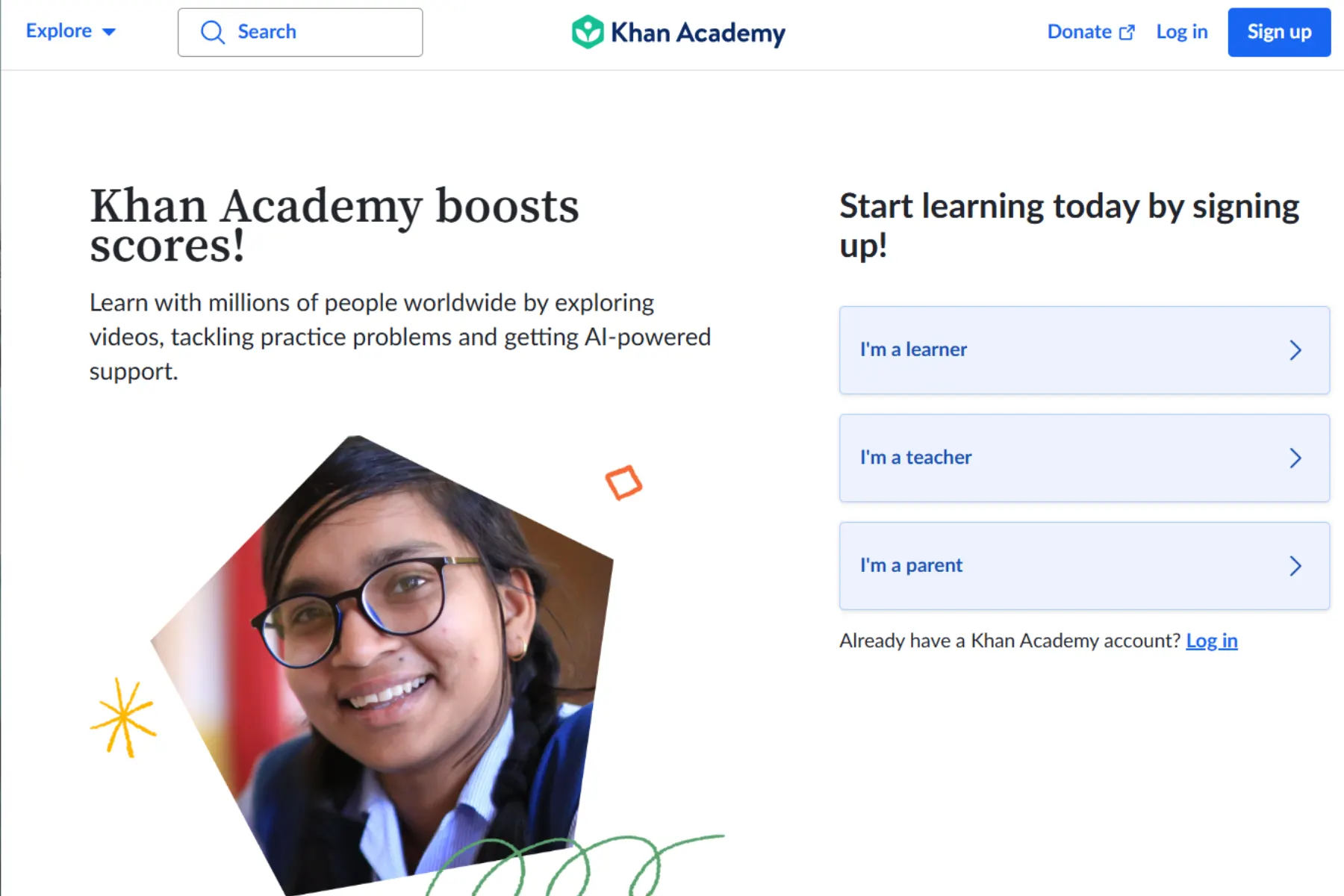
Khan Academy offers free online courses, practice exercises, and AI-powered learning tools for students, teachers, and parents.
It does not cover advanced university-level Physics in depth, and there is no personalised tutoring. For students who need to strengthen their foundational understanding at no cost, Khan Academy is one of the best free resources available. It works well as a complement to Studocu or any paid tutoring service.
Chegg
Chegg offers textbook solutions, expert Q&A help, and some tutoring features. It covers Physics at a broad level and is popular among US college students for homework help. Pricing is subscription-based and comparable to Course Hero.
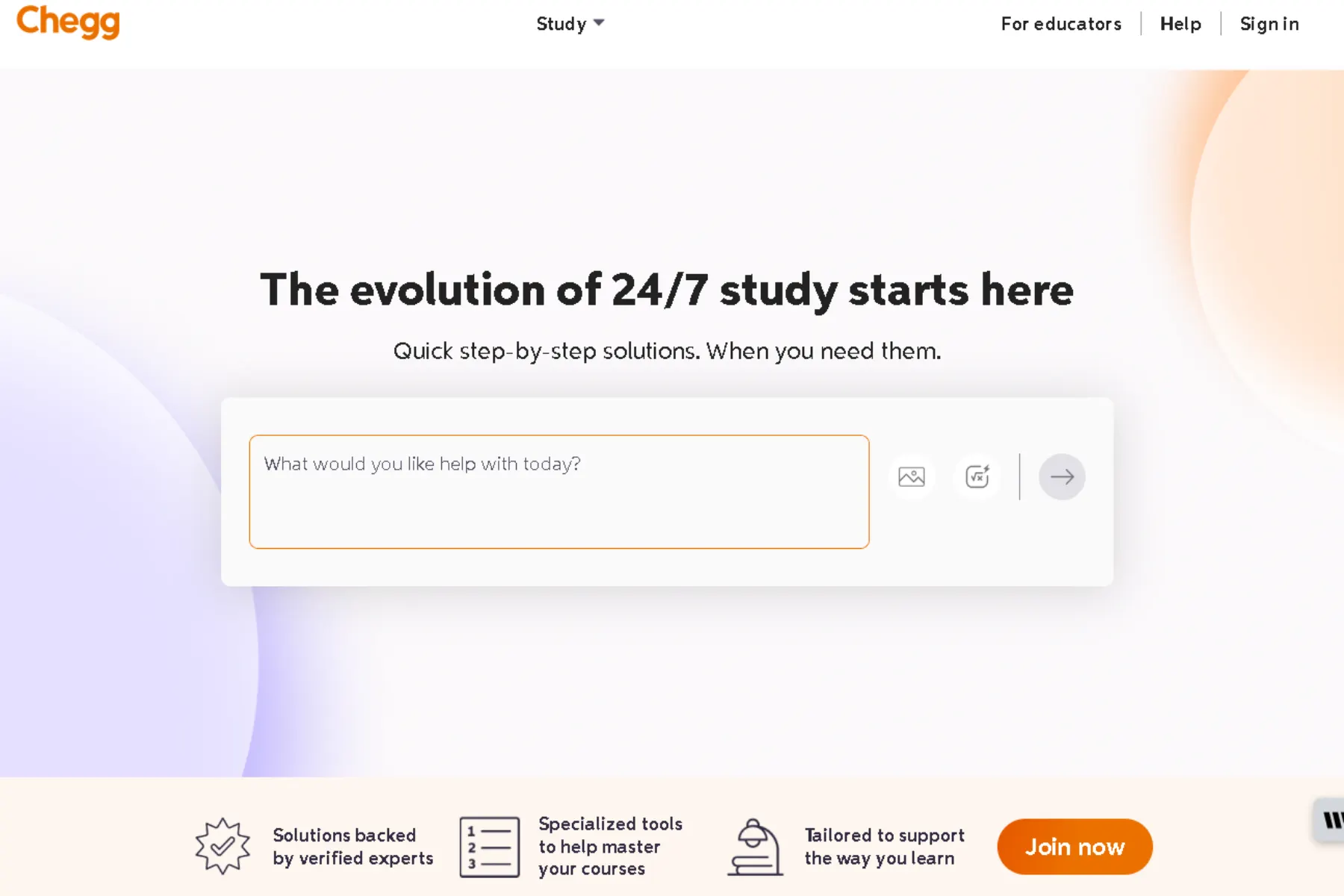
Chegg’s homepage promotes 24/7 study help with step-by-step solutions and a central question search bar.
Chegg has faced criticism over academic integrity concerns and some expert answers being inaccurate. However, for step-by-step textbook solutions in Physics and math, it remains a widely used platform. It is stronger than Studocu for students who need worked solutions but weaker for students who want explanations tailored to their own course materials.
Local and Online Independent Tutors
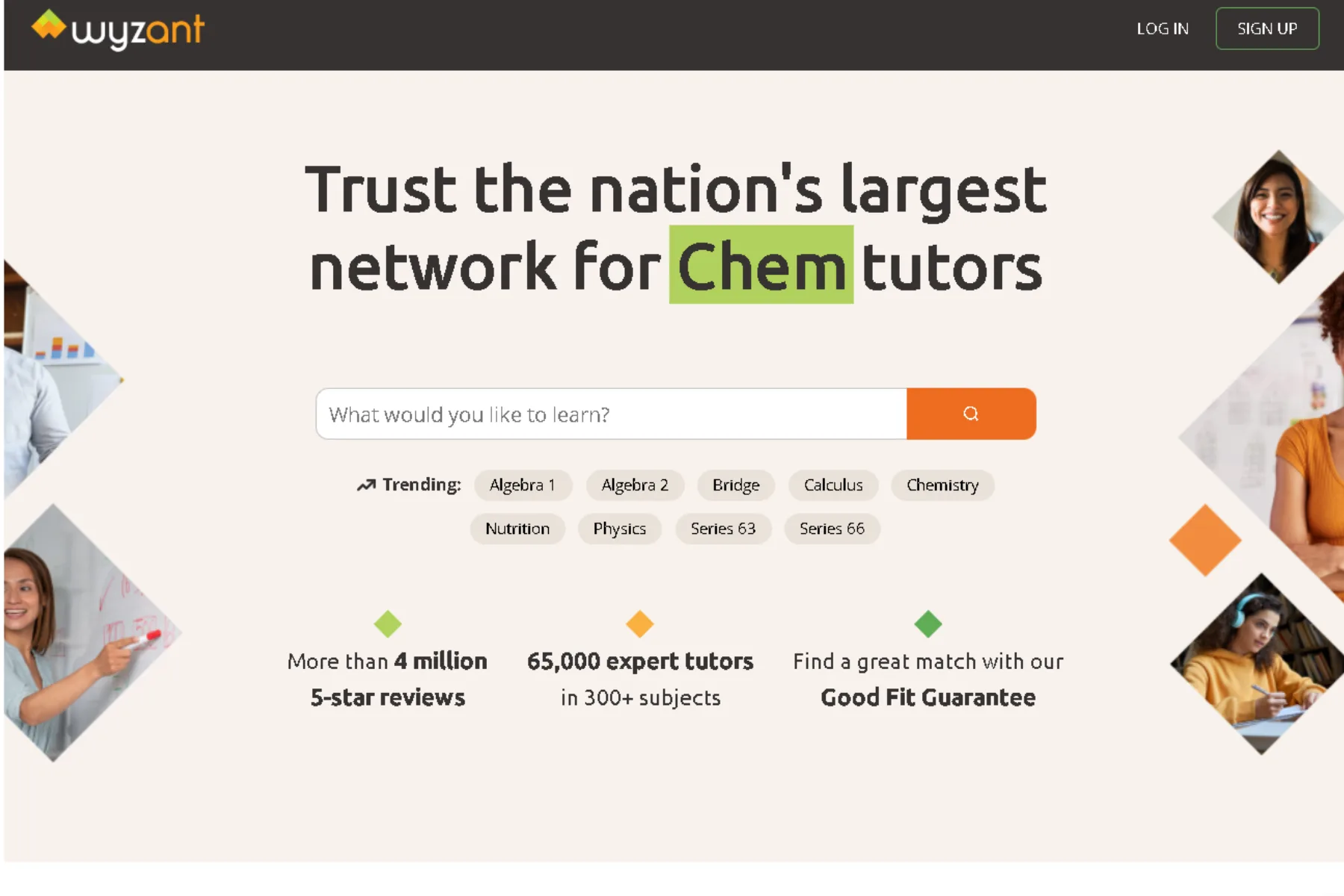
Independent tutors — found through platforms like Wyzant, Preply, or university tutoring boards — offer genuinely personalised instruction. A strong Physics or engineering tutor can identify specific conceptual gaps and teach directly to a student’s course structure. Rates vary widely, from around $20 to $100+ per hour.
The quality of Physics tutors in this category ranges considerably. The advantage over platforms like Studocu is the real-time, two-way interaction. The main trade-off is cost and the effort required to vet a tutor’s qualifications before committing.
MIT OpenCourseWare & YouTube (Free)
MIT OpenCourseWare provides free access to actual MIT course materials, including Physics lecture notes, problem sets, and exams. Alongside dedicated YouTube channels like Professor Leonard and Michel van Biezen, these are powerful free resources for university-level Physics and math.
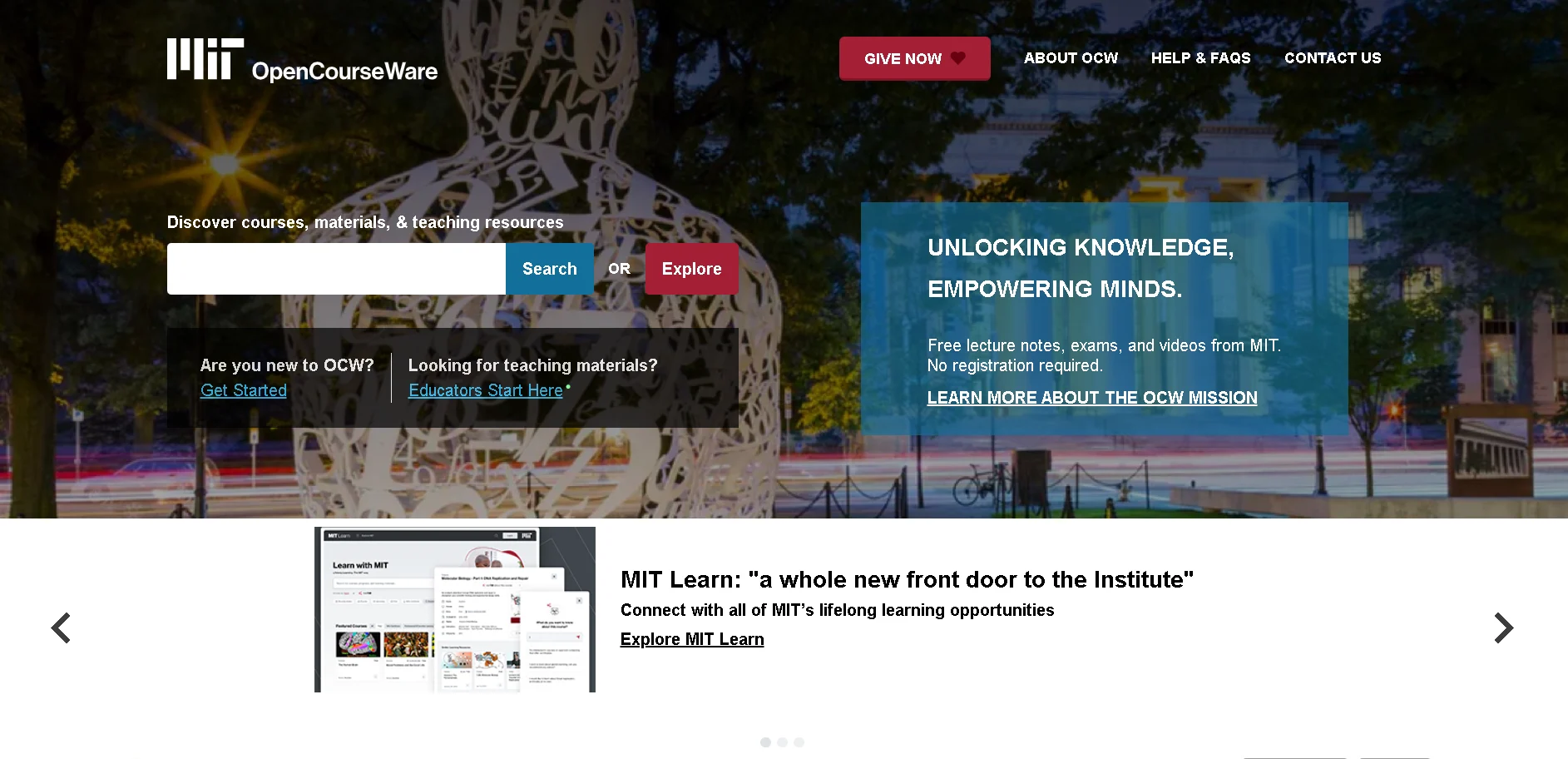
MIT OpenCourseWare displays Physics course listings, including Classical Mechanics, with filters and a search tool.
They require more self-direction than a tutoring service, but the quality of content is often higher and more reliable than user-generated notes on Studocu. For motivated students on a tight budget, combining free resources like these with occasional paid tutoring support can be highly effective.
Winners by Category
Quality of Tutors: My Physics Buddy (personalised 1:1 Physics tutoring by qualified tutors)
Pricing: Khan Academy / MIT OpenCourseWare (free)
Quality of Customer Care: My Physics Buddy
Ease of Use: Studocu (simple sign-up, browse by university and course)
How It Works
For Students
Getting started on Studocu is straightforward. Students create a free account using an email address or Google/Facebook login. Once registered, they search for their university and course to browse available documents — lecture notes, chapter summaries, past exam papers, and practice materials. Free users can access some documents by uploading their own study materials. Full, unrestricted access requires a Premium subscription (quarterly or annual). As of 2026, Studocu has also added AI-powered features including AI-generated summaries, quizzes from uploaded documents, and a “Study Assistant” chatbot that answers questions based on the documents in the platform. A mobile camera solver on Android allows students to photograph a problem and receive an AI-generated explanation. All Premium features unlock with a paid plan.

Studocu empowers journalists to capture authentic student perspectives and ensure student voices are included in education-related discussions.
For Tutors (Contributors)
Studocu does not have “tutors” in the traditional sense. Instead, it has student contributors who upload study materials to the platform. Students can submit lecture notes, summaries, practice exams, and other academic documents. In return, they may earn download credits that give them access to other documents, or in some cases, small monetary rewards through Studocu’s contributor program. Reviews of this program have been mixed — some contributors report smooth payouts, while others on Trustpilot have complained about uploaded documents not being approved or earnings being rejected without clear explanation. There is no formal educator or tutor verification process on Studocu. Anyone with a student account can upload materials.
Studocu Company Information
Studocu was founded in 2013 by four engineering students at TU Delft in the Netherlands: Marnix Broer, Jacques Huppes, Lucas van den Houten, and Sander Kuijk. The company was originally called StudeerSnel.nl (“StudyQuickly” in Dutch). The founders began by physically carrying USB sticks and hard drives around campus, collecting lecture notes from friends. Marnix Broer and Jacques Huppes even copied hard-copy documents during shifts working as library security guards, as recounted in a Silicon Canals interview. This hands-on beginning built the initial content library that gave Studocu its early traction.
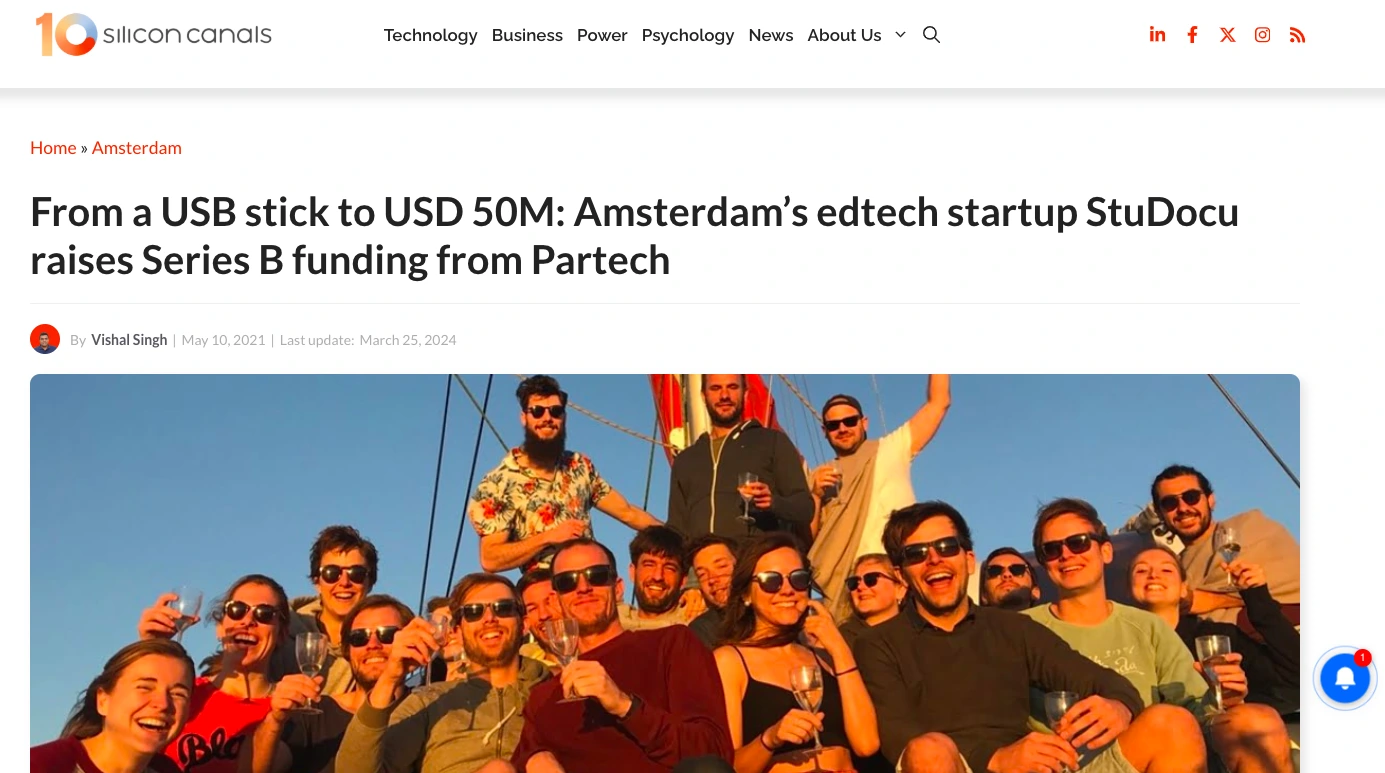
StuDocu team members celebrate their $50 million Series B funding round, highlighting the growth of the Amsterdam-based edtech startup.
The company is headquartered in Amsterdam, Netherlands, and operates legally as StudeerSnel B.V. It has raised a total of approximately $51.5 million in funding across a Seed round (2015), Series A (2019), and a $50 million Series B round in May 2021 from investors including Partech Partners, Peak Capital, and Point Nine Capital, as documented on Crunchbase. The platform now reports 60 million monthly users across more than 100 countries and a library of over 50 million study documents from more than 120,000 schools worldwide, according to Tech.eu’s January 2026 report. Studocu employs between 51 and 200 people as of recent data. In February 2024, Marnix Broer transitioned from CEO to Chairman of the Board, with former COO Reynald Fasciaux taking over as CEO, as announced on LinkedIn.
Studocu’s stated mission is to empower everyone to excel at their studies by providing the best tools to study more efficiently. The platform’s USP is its size and course-specific organisation — students can search by institution and course code, making it one of the most targeted academic document libraries in the world. Its main drawback is the variable quality of user-generated content, which has no formal editorial or accuracy review process. Customer support has received positive mentions in some reviews for being responsive and thoughtful, though the strict billing policies remain a reputational challenge. Global reach is strong — Studocu operates in over 100 countries.
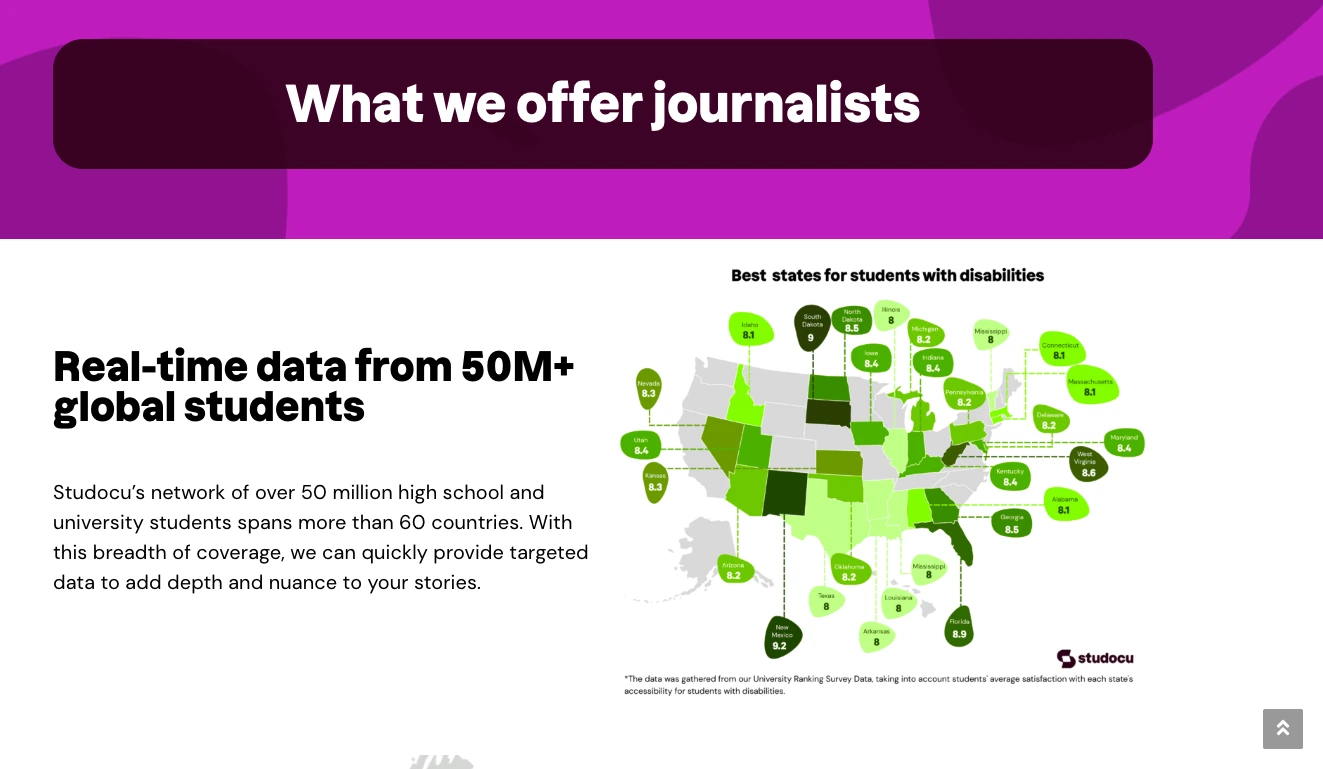
Studocu provides journalists with real-time insights from over 50 million students worldwide, including data on the best U.S. states for students with disabilities.
AI and Future Plans
Studocu has made significant investment in AI features. As described in their iOS App Store listing and the Android “Studocu: AI Homework Helper” Google Play description, current features include AI-generated document summaries, AI Quiz Maker (turning notes into practice questions), a Study Assistant chatbot, Mock Exam generation, and a mobile camera solver for problem explanations. These tools are built around the platform’s document library rather than general AI, keeping answers tied to actual academic content. The company has signalled that further AI integration is a continued priority, aligned with broader trends in EdTech. Based on publicly available information, there are no announced plans to move into live human tutoring.
FAQs
What is Studocu and how does it work for Physics students?
Studocu is a platform where students upload and share lecture notes, past exams, and summaries. For Physics students, it provides access to peer-created study materials organised by university and course, but offers no live tutoring or expert explanations.
Is Studocu free to use for Physics notes and study materials?
Studocu offers limited free access in exchange for uploading your own documents. Full access to all Physics materials and AI features requires a paid Premium subscription, starting at approximately $7/month on an annual plan.
What do Studocu reviews say about its Physics content quality in 2026?
Studocu reviews in 2026 indicate that Physics content quality varies. Large universities are better covered. Some notes are excellent; others are incomplete or outdated. No content is vetted by qualified Physics instructors.
Can Studocu help with college-level Physics homework problems directly?
Studocu cannot provide direct homework help in real time. Its AI tools can explain concepts from uploaded documents, but for personalised, step-by-step Physics problem-solving support, a live tutoring service like My Physics Buddy would be more appropriate.
What is Studocu’s refund policy and how strict is it?
Studocu’s refund policy is strict. Full refunds are only granted if no Premium content was accessed after payment. Annual subscribers may receive a partial refund. Quarterly subscribers who have used any content are generally ineligible. See Studocu’s official refund help section for details.
Conclusion
Studocu is a well-established and genuinely useful resource for students who want affordable access to peer-created study materials at scale. Its platform is easy to use, its pricing is competitive in 2026, and its AI features add real study value. However, it is a document library, not a tutoring service. Physics content quality varies by institution, no materials are vetted by experts, and the billing policies have been a recurring source of user frustration. Students who need to understand Physics at a deeper level — not just review notes — should consider pairing Studocu with a live tutoring option that can answer specific questions and explain complex problems directly.
This article is based on publicly available data, reviews, and official sources, last verified in 2026. My Physics Buddy is listed as an alternative and reviewed using the same criteria as competitors.
Studocu is a platform already helping millions of students around the world… we were wildly impressed with their data-driven culture and by how much students really love using their services.
— Bruno Crémel, General Partner at Partech (via Silicon Canals)
“The site has potential if you’re willing to dig, but don’t expect consistency. I once got a 30-page summary that was so well organized it felt like a professional tutor made it. But the next time, I downloaded handwritten notes that were almost illegible.”
— Student reviewer, NoCramming Forum
Disclaimer: This article provides general educational guidance only. It is NOT official exam policy, professional academic advice, or guaranteed results. Always verify information with your school, official exam boards (College Board, Cambridge, IB), or qualified professionals before making decisions. Read Full Policies & Disclaimer , Contact Us To Report An Error.

By Ashish PM